What is Precision Oncology? A Comprehensive Guide to Personalized Cancer Treatment


Understanding Precision Oncology
Precision oncology is a groundbreaking approach to cancer treatment that tailors medical care to an individual's genetic makeup and the specific characteristics of their disease. Unlike traditional treatments, which often apply a one-size-fits-all strategy, precision oncology aims to deliver more effective and targeted therapies. This personalized approach not only improves outcomes but also minimizes side effects.
The Science Behind Precision Oncology
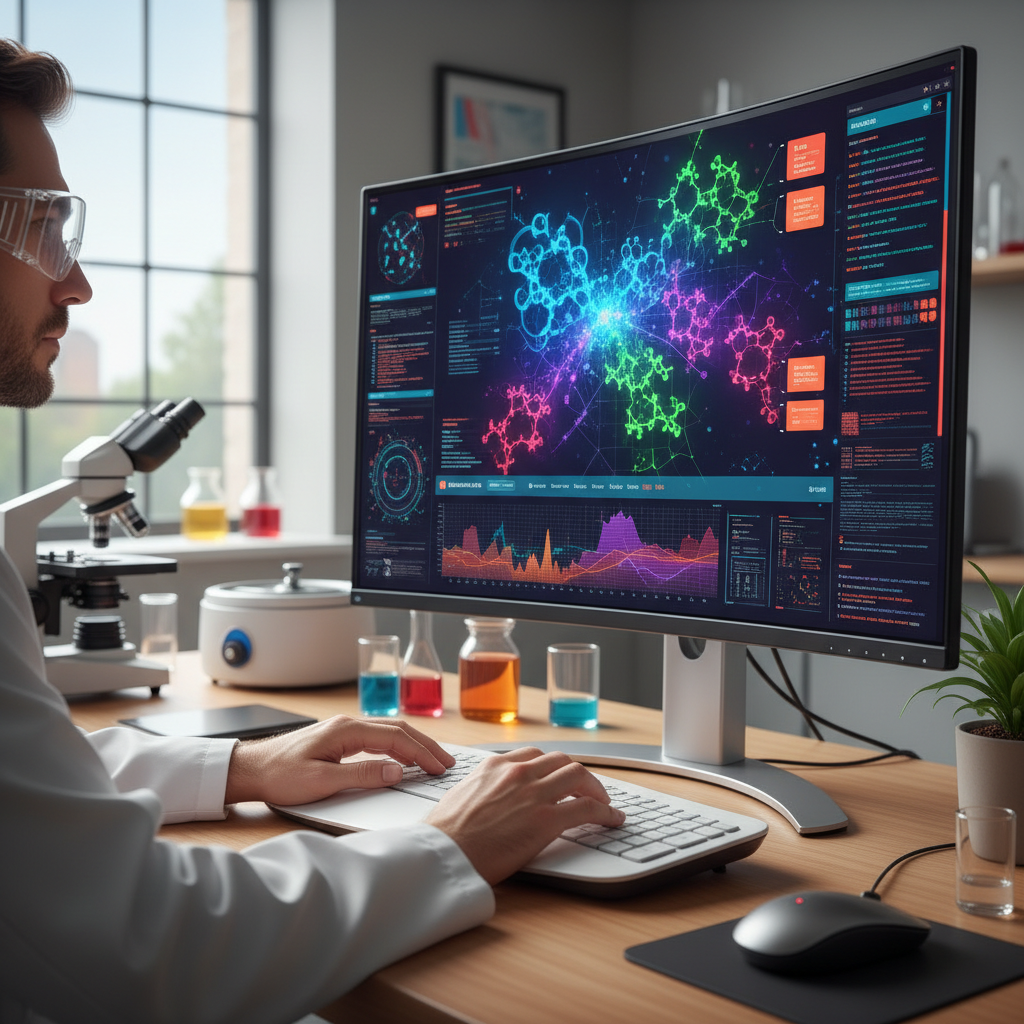
At the core of precision oncology is the analysis of genetic mutations within cancer cells. By understanding the genetic alterations that drive a patient's cancer, doctors can select treatments that specifically target these changes. This process often involves genomic sequencing, where a patient's DNA is mapped to identify mutations. These insights allow oncologists to choose therapies that are more likely to be effective for a particular individual.
As a result, precision oncology represents a shift from conventional treatments like chemotherapy and radiation, which can affect both cancerous and healthy cells. This targeted approach not only enhances treatment efficacy but also reduces the likelihood of adverse effects.

Benefits of Personalized Cancer Treatment
One of the primary benefits of precision oncology is its ability to offer more effective treatment options. By focusing on the genetic underpinnings of cancer, personalized therapies can be developed to specifically disrupt cancer growth. This tailored treatment often results in better patient outcomes and improved survival rates.
Moreover, precision oncology allows for the early detection of potential treatment resistance. By monitoring genetic changes, oncologists can adjust therapies promptly, ensuring continued effectiveness. This proactive adjustment reduces the risk of cancer recurrence and progression.

Challenges and Considerations
While precision oncology holds great promise, it also presents certain challenges. One of the main hurdles is the cost of genomic testing and targeted therapies, which can be substantial. Additionally, not all patients have identifiable genetic mutations that can be targeted with current therapies.
There is also a need for robust data infrastructure to interpret complex genomic information effectively. This necessity demands collaboration among scientists, clinicians, and data analysts to harness the full potential of precision oncology.
The Future of Precision Oncology
The future of precision oncology is bright, with ongoing research and technological advancements paving the way for more comprehensive and accessible treatments. As the understanding of cancer biology deepens, the development of new targeted therapies continues to expand.
Moreover, the integration of artificial intelligence and machine learning is expected to enhance the precision of treatment recommendations, allowing for even more personalized care. These innovations promise to revolutionize cancer treatment, offering hope and improved quality of life for countless individuals.