Using Oncology Calculators for Effective Biomarker Identification


Introduction to Oncology Calculators
In the rapidly evolving field of oncology, precision medicine plays a crucial role in identifying effective treatment strategies. One of the innovative tools aiding this process is the oncology calculator. These digital tools help oncologists and researchers pinpoint biomarkers that are essential for understanding tumor behavior and response to treatments.
Oncology calculators streamline the analysis of complex genetic data, making it easier to identify potential biomarkers. This not only accelerates research but also enhances the accuracy of diagnoses and treatment plans.

Role of Biomarkers in Cancer Treatment
Biomarkers are biological molecules found in blood, other body fluids, or tissues, signaling an abnormal process or disease. In cancer treatment, they provide valuable insights into the genetic makeup of tumors, enabling personalized treatment approaches.
By utilizing oncology calculators, healthcare professionals can efficiently analyze large datasets to discover relevant biomarkers. This capability is essential for developing targeted therapies that improve patient outcomes.
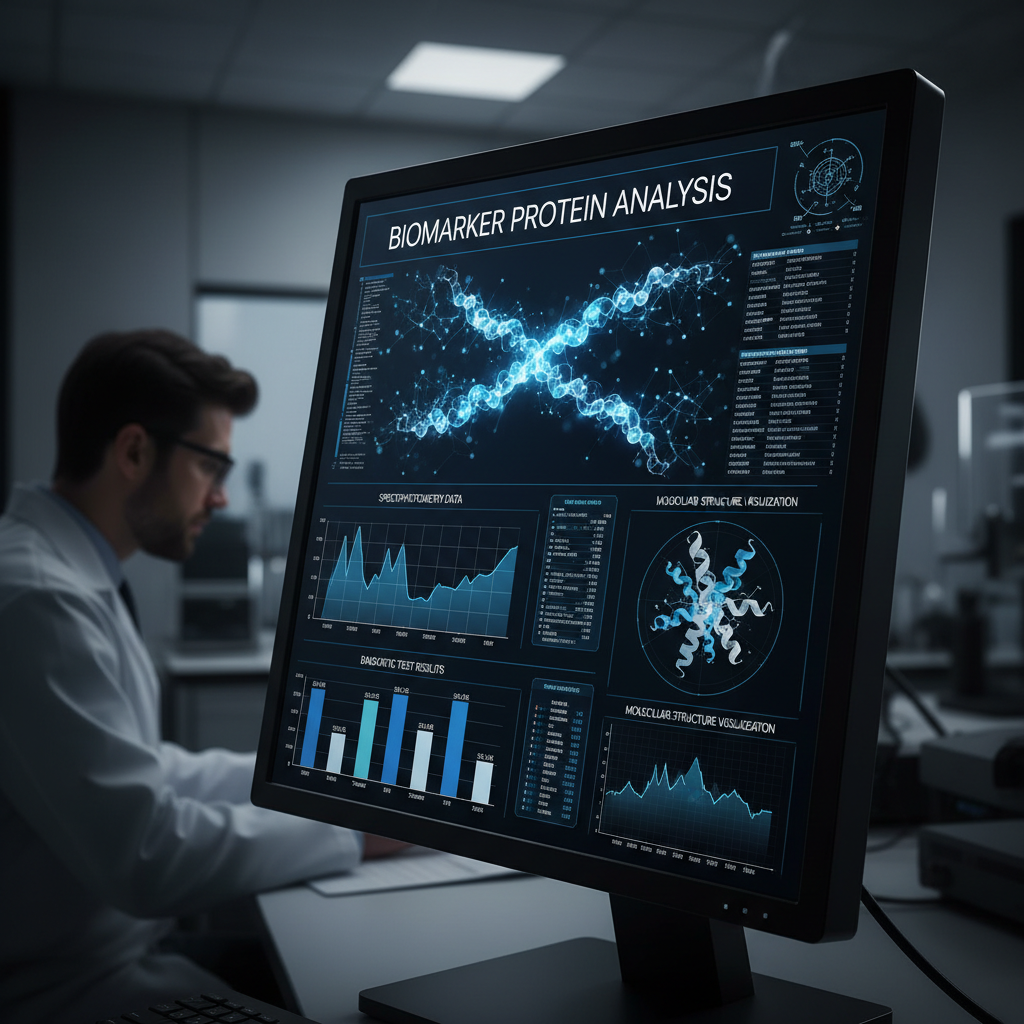
Types of Oncology Calculators
Several types of oncology calculators are available, each designed to assist in different aspects of biomarker identification:
- Prognostic Calculators: These tools predict patient outcomes based on specific biomarkers, aiding in treatment planning.
- Predictive Calculators: These identify which patients are likely to respond to certain therapies, optimizing treatment effectiveness.
- Diagnostic Calculators: These help in diagnosing the presence and type of cancer by analyzing biomarker data.
Integrating Oncology Calculators into Research
Oncology calculators are integral to modern cancer research. By integrating these tools into research workflows, scientists can quickly identify new biomarkers and validate their relevance in clinical settings.
This integration not only enhances the speed of research but also ensures that emerging therapies are based on robust scientific evidence. Consequently, patients benefit from more precise and effective treatment options.
Challenges and Opportunities
While oncology calculators offer numerous benefits, their implementation comes with challenges. Ensuring data accuracy, maintaining patient privacy, and integrating diverse datasets are critical considerations.
However, the opportunities they present are immense. By refining biomarker identification processes, these calculators pave the way for breakthroughs in cancer treatment and patient care.
Conclusion
Oncology calculators are transforming the landscape of cancer treatment by enhancing biomarker identification. As these tools become more advanced, they promise to deliver even greater precision in personalized medicine, ultimately improving patient survival rates and quality of life.
By embracing these technologies, the medical community can continue to make strides toward more effective and individualized cancer therapies.