Unlocking the Power of Evidence Dashboards for Oncologists


Introduction to Evidence Dashboards
In the ever-evolving field of oncology, staying abreast of the latest research and clinical data is crucial for effective patient care. Evidence dashboards have emerged as a vital tool, offering oncologists an organized and accessible way to review and interpret vast amounts of information. These dashboards consolidate data from various studies, enabling healthcare professionals to make informed decisions swiftly.
Leveraging evidence dashboards can streamline the decision-making process, ensuring that oncologists provide the most up-to-date treatments. This technological advancement not only aids in clinical practice but also enhances patient outcomes by integrating real-time data with historical trends.
The Components of an Effective Evidence Dashboard
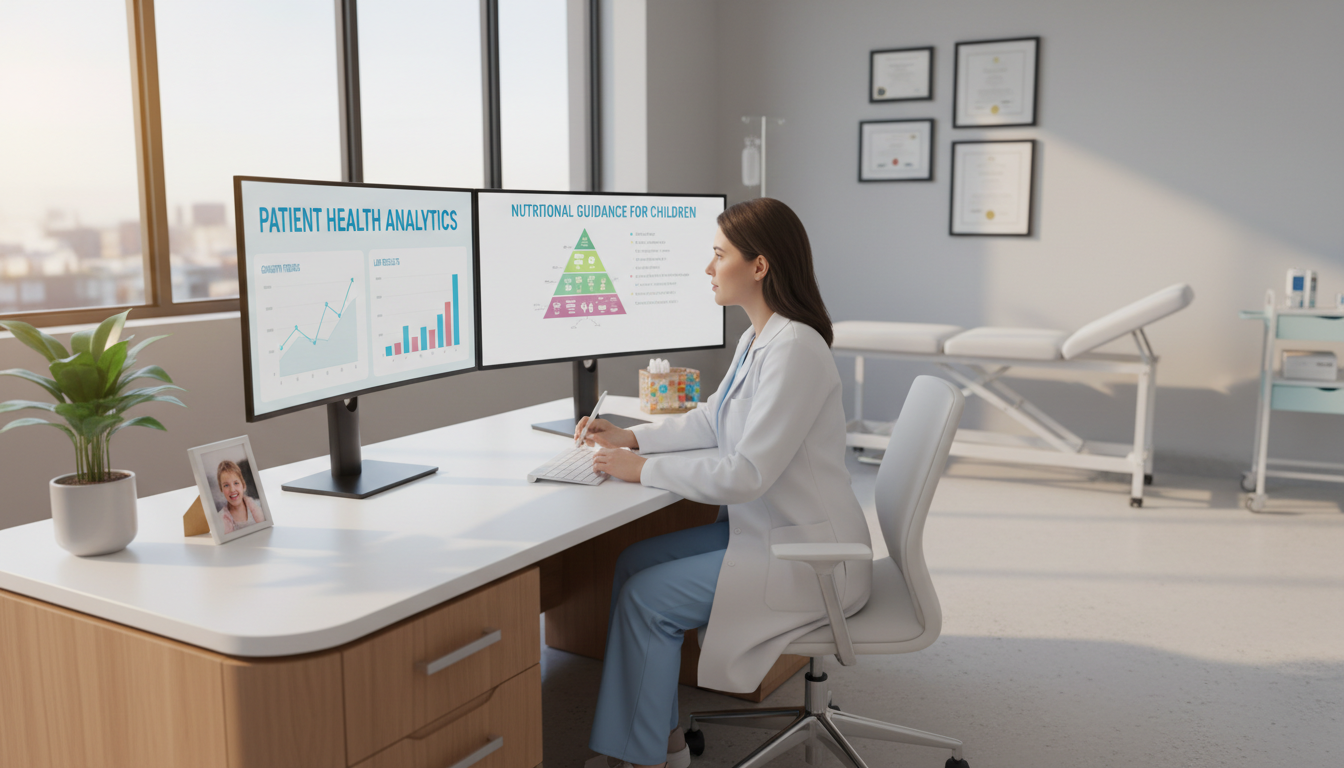
An evidence dashboard typically comprises several key components that make it an invaluable resource for oncologists. These include:
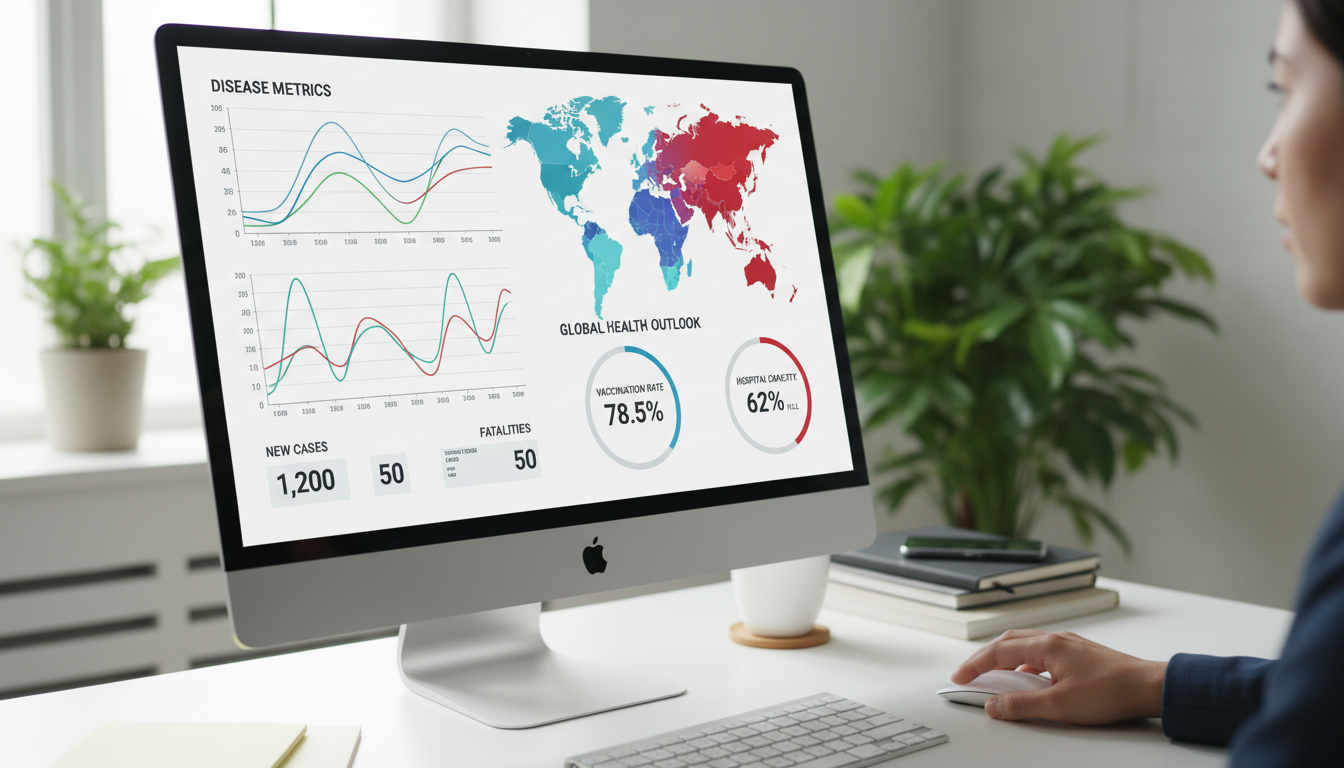
- Data Visualization: Graphs and charts that represent complex data in a digestible format.
- Interactive Features: Tools that allow users to filter and sort data based on specific parameters.
- Real-Time Updates: Continuous data integration ensures the latest information is always at hand.
By incorporating these elements, evidence dashboards provide a comprehensive overview of research findings and clinical guidelines, making them indispensable in modern oncology practice.
Enhancing Clinical Decision-Making
The primary benefit of using evidence dashboards in oncology is the enhancement of clinical decision-making. With access to a centralized repository of evidence, oncologists can compare treatment options and outcomes effectively. This capability reduces the reliance on anecdotal evidence and promotes evidence-based practices.
Moreover, the interactive nature of these dashboards allows for personalized data retrieval, aligning treatment plans with the unique needs of individual patients. This approach not only improves the quality of care but also boosts patient confidence in their treatment journey.

Streamlining Research and Collaboration
Evidence dashboards also play a crucial role in facilitating research and collaboration among oncologists. By providing a platform for data sharing and analysis, these tools foster a collaborative environment where professionals can exchange insights and strategies.
This collaborative approach accelerates the pace of research, leading to faster discoveries and advancements in cancer treatment. The integration of global data ensures that oncologists are not working in isolation but are part of a broader, interconnected community.
Future Prospects and Innovations
As technology continues to advance, the capabilities of evidence dashboards are expected to expand. Future innovations may include the integration of artificial intelligence and machine learning algorithms, further enhancing data interpretation and predictive modeling.
These advancements will empower oncologists with even more precise tools for diagnosis and treatment planning, ultimately improving patient outcomes and reducing the burden of cancer worldwide.

Conclusion
Evidence dashboards represent a significant leap forward in the field of oncology, offering a powerful means to harness and interpret vast amounts of data. By facilitating informed decision-making, enhancing collaboration, and paving the way for future innovations, these tools are poised to transform cancer care.
Oncologists who embrace this technology will not only enhance their practice but also contribute to the broader goal of advancing cancer treatment and improving patient lives.