Understanding Precision Oncology: A Guide for Clinicians


Introduction to Precision Oncology
Precision oncology is revolutionizing the field of cancer treatment by tailoring medical care based on an individual's genetic profile and the specific characteristics of their cancer. This personalized approach aims to improve treatment outcomes and minimize side effects. As a clinician, understanding the nuances of precision oncology can enhance your ability to provide targeted therapies for your patients.

The Science Behind Precision Oncology
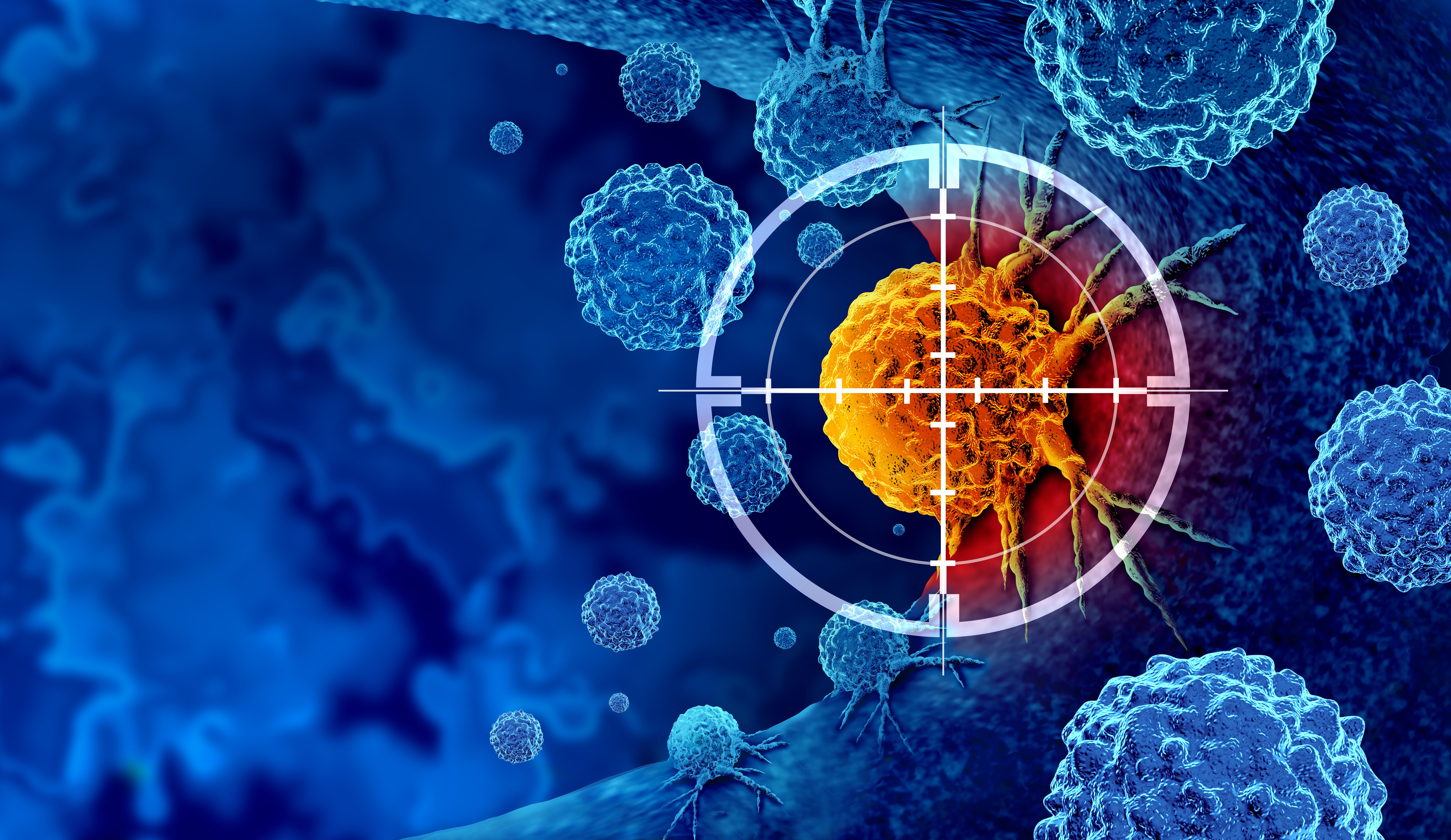
At its core, precision oncology involves analyzing the genetic mutations and alterations present in a tumor. This analysis helps identify specific targets for therapy, allowing clinicians to choose the most effective treatments. By focusing on the unique genetic makeup of the cancer, precision oncology goes beyond traditional one-size-fits-all approaches.
Genetic Profiling
Genetic profiling is a critical component of precision oncology. It involves sequencing the DNA of cancer cells to identify mutations or alterations that drive tumor growth. This information guides the selection of targeted therapies that can inhibit these drivers, offering a more precise treatment strategy.

Benefits of Precision Oncology
Precision oncology offers several advantages over conventional cancer treatments. By targeting specific genetic abnormalities, these therapies can be more effective and often have fewer side effects compared to traditional chemotherapy. Clinicians can provide patients with personalized treatment plans that improve their quality of life and potentially extend survival rates.
Improved Treatment Outcomes
One of the most significant benefits is the potential for improved treatment outcomes. Patients receiving targeted therapies may experience better response rates and longer progression-free survival. Additionally, precision oncology allows for the rapid adaptation of treatment plans based on new genetic information, ensuring the most effective approach is always used.
Challenges in Precision Oncology
Despite its promise, precision oncology presents several challenges. The complexity and cost of genetic testing can be barriers to widespread adoption. Additionally, not all cancers have identifiable genetic targets, which can limit the applicability of precision treatments.
Access and Affordability
Access to precision oncology is crucial for its success. Ensuring that genetic testing and targeted therapies are available and affordable for all patients is an ongoing challenge. Clinicians must advocate for broader access and work towards integrating precision oncology into standard care practices.
The Future of Precision Oncology
As research continues, the future of precision oncology looks promising. Advances in technology and a growing understanding of cancer genetics will likely lead to more comprehensive testing and an increased number of targeted therapies. Clinicians will play a pivotal role in implementing these innovations in clinical practice, ultimately transforming patient care.
The integration of artificial intelligence and machine learning in analyzing genetic data is also on the horizon, offering potential advancements in diagnosing and treating cancer more effectively. This evolution will require continuous education and adaptation from clinicians to keep pace with new discoveries.