Understanding Biomarker Identification in Precision Oncology


What Are Biomarkers?
Biomarkers are biological molecules found in blood, other body fluids, or tissues that indicate a normal or abnormal process, or a condition or disease. In the context of precision oncology, biomarkers are crucial as they guide the development of targeted therapies.
These biomarkers can be genes, proteins, or other molecules that affect how cancer cells grow, multiply, and respond to therapies. Understanding and identifying these biomarkers allow for more personalized treatment plans.
The Role of Biomarkers in Precision Oncology
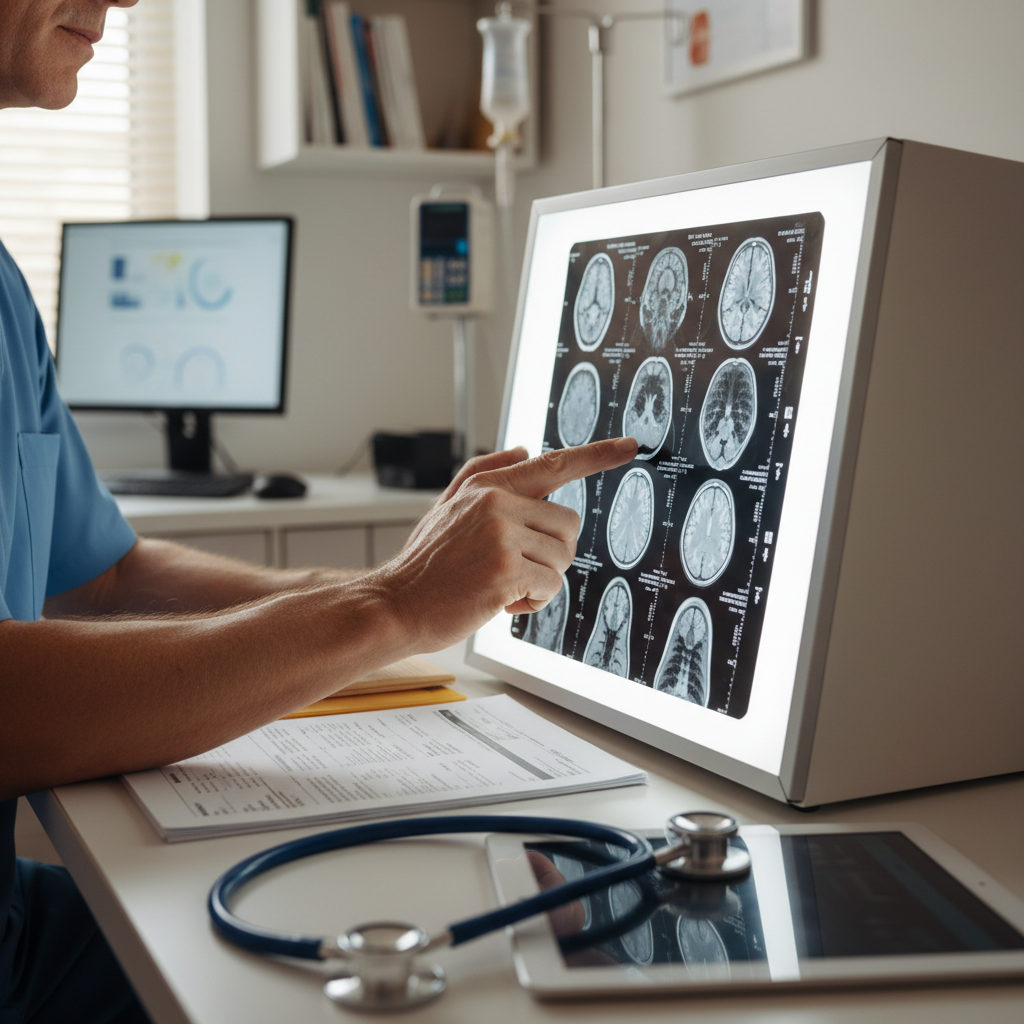
Precision oncology focuses on tailoring treatment based on the individual characteristics of each patient’s cancer. Biomarkers play a pivotal role in this approach by helping to predict which treatments a patient is most likely to respond to.
This is achieved through technologies such as genomic sequencing, which identifies genetic mutations that can be targeted with specific drugs. By understanding these unique attributes, oncologists can design more effective treatment regimens.
Types of Biomarkers
In precision oncology, there are three main types of biomarkers:
- Diagnostic Biomarkers: Used to detect or confirm the presence of cancer.
- Prognostic Biomarkers: Provide information about the likely cancer progression.
- Predictive Biomarkers: Indicate the likely benefit from a specific treatment.

Challenges in Biomarker Identification
Despite the potential benefits, identifying biomarkers is not without challenges. The complexity of cancer biology means that not all biomarkers are easily detectable or actionable. There can also be significant variability between different types of cancer and even among individuals with the same type of cancer.
Furthermore, the process of validating biomarkers is rigorous and requires extensive clinical trials to ensure their effectiveness and safety in guiding treatment decisions.
Technological Advances and Research
Advancements in technology have significantly enhanced our ability to identify and understand biomarkers. Techniques such as next-generation sequencing and bioinformatics have opened new avenues for comprehensive biomarker discovery.
Ongoing research continues to explore novel biomarkers, with the aim of improving diagnostic accuracy, treatment efficacy, and patient outcomes. Collaborative efforts between researchers, clinicians, and biotechnological companies are crucial in this endeavor.

The Future of Biomarker Identification in Precision Oncology
The future of biomarker identification looks promising, with continuous advancements expected to further refine cancer treatments. As our understanding of cancer biology deepens, the integration of biomarkers into clinical practice will likely expand, leading to more effective and personalized cancer therapies.
Ultimately, the goal is to transform cancer from a life-threatening disease into a manageable condition, improving the quality of life for patients worldwide.