Understanding Biomarker Identification in Precision Oncology


Introduction to Biomarker Identification
In the realm of precision oncology, biomarker identification plays a pivotal role in tailoring treatments to individual patients. Biomarkers are biological molecules found in blood, other body fluids, or tissues that signal a normal or abnormal process, or a condition or disease. In cancer care, understanding these markers can lead to more effective, personalized treatment plans.
The ability to target specific cancer cells based on their biomarkers allows for treatments that are more effective and less harmful to healthy cells. This approach is revolutionizing how oncologists treat cancer, moving away from one-size-fits-all therapies.
The Role of Biomarkers in Cancer Treatment
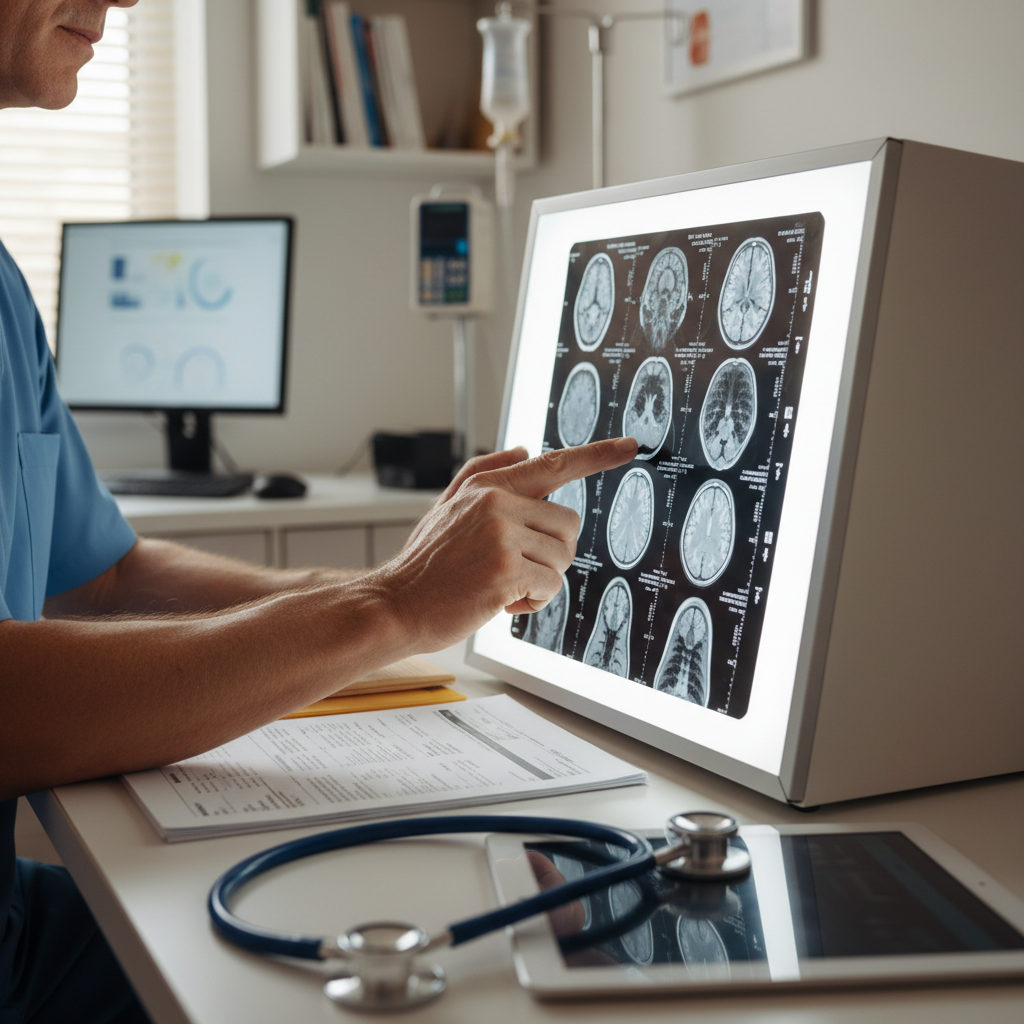
Biomarkers can serve multiple functions in the management of cancer. They help in diagnosing the disease, predicting its progression, and evaluating how well the body responds to a treatment. By identifying these markers, doctors can choose the most effective therapies for their patients.
There are different types of biomarkers, such as prognostic biomarkers that indicate the likely course of the disease, and predictive biomarkers that help determine which patients will benefit from a particular treatment. This distinction is crucial in precision oncology, where the goal is to maximize treatment efficacy while minimizing side effects.
Technologies Used in Biomarker Identification
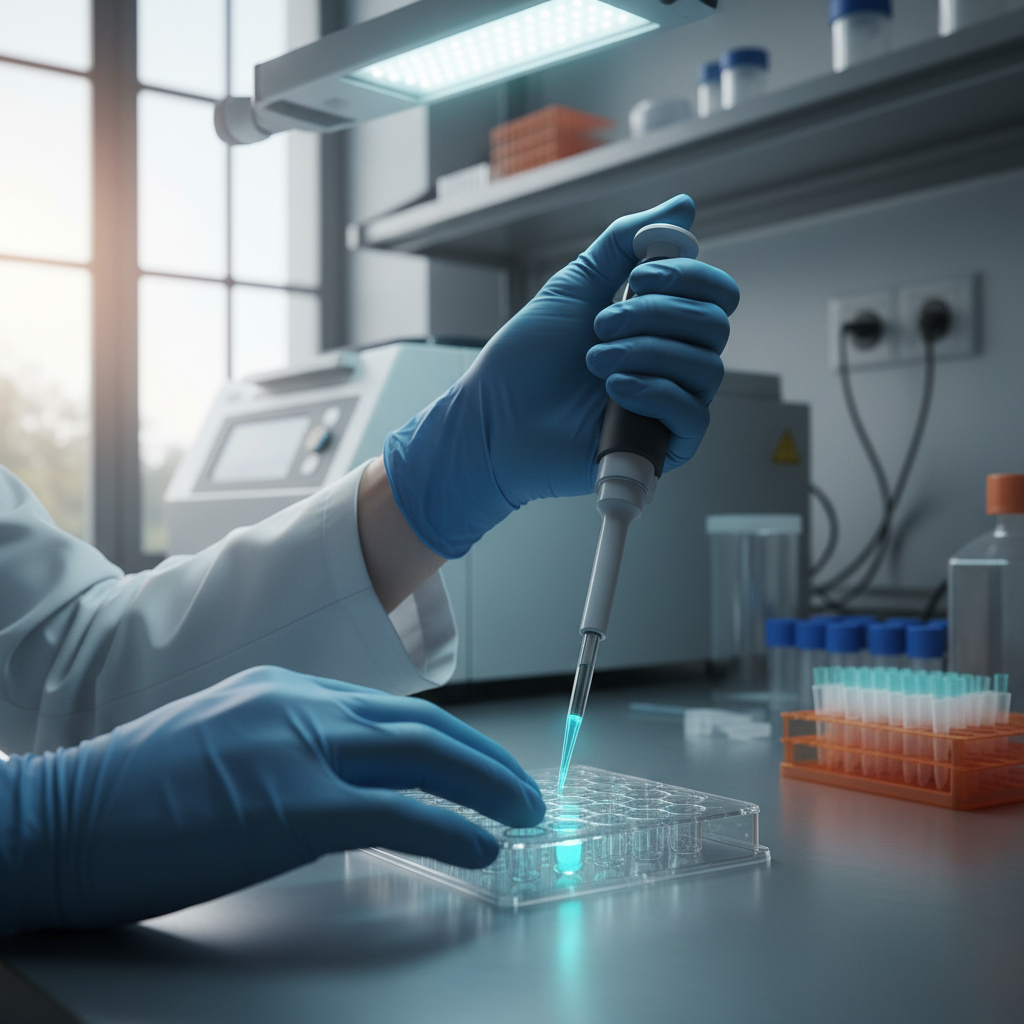
Several advanced technologies are employed to identify biomarkers. Genomic sequencing, for instance, allows for a comprehensive analysis of a patient's DNA to detect mutations linked to cancer. Proteomics, another powerful tool, studies the proteins expressed by genes, providing insights into the functional consequences of genetic alterations.
Immunohistochemistry (IHC) and in situ hybridization (ISH) are also commonly used techniques. These methods help in visualizing the presence and location of proteins or nucleic acids in tissue sections, offering crucial information about the cancer's characteristics.

Challenges in Biomarker Identification
Despite its potential, biomarker identification in precision oncology faces several challenges. The complexity of cancer as a disease means that not all biomarkers are well understood. Variability between patients and even within different areas of a single tumor can complicate the identification process.
Moreover, the development of reliable biomarkers requires significant investment in research and clinical trials. This can be both time-consuming and costly, often limiting the availability of new biomarkers for clinical use.
The Future of Biomarkers in Oncology
As research continues, the future of biomarker identification looks promising. Advances in technology and a deeper understanding of cancer biology are paving the way for the discovery of new biomarkers. These developments hold the potential to further refine and improve the precision of cancer treatments.
Collaboration across scientific disciplines will be crucial in overcoming current challenges. By integrating new discoveries and technological innovations, the field of precision oncology can continue to evolve, offering hope for more effective cancer therapies.