Understanding Biomarker Identification for Targeted Therapies


Introduction to Biomarker Identification
In the realm of modern medicine, the pursuit of personalized therapies has gained significant momentum. Central to this effort is the identification of biomarkers, which are crucial in crafting targeted therapies that cater to individual patient needs. But what exactly are biomarkers, and why are they so vital in the development of targeted treatments?

What Are Biomarkers?
Biomarkers are biological molecules found in blood, other body fluids, or tissues that indicate a normal or abnormal process, or a condition or disease. They are used extensively in clinical settings to diagnose diseases, predict disease progression, and monitor treatment responses. Biomarkers can be genes, proteins, or other molecules that signal a particular physiological state.
The utility of biomarkers extends beyond diagnosis. They play a pivotal role in understanding the underlying mechanisms of diseases, enabling researchers to develop more effective and tailored treatment options. This is particularly important in diseases with varied presentations, such as cancer.
Role in Targeted Therapies
Targeted therapies are designed to interfere with specific molecules responsible for tumor growth and progression. Biomarkers help identify which patients are most likely to benefit from a particular treatment, ensuring that therapies are administered to those who will respond best. This approach not only improves efficacy but also minimizes unnecessary exposure to potentially harmful treatments.

For example, in the treatment of certain types of breast cancer, the presence of the HER2 protein is used as a biomarker to determine the suitability of trastuzumab therapy. This targeted approach has significantly improved outcomes for patients with HER2-positive breast cancer.
Methods of Biomarker Identification
Identifying biomarkers involves a combination of laboratory research and clinical studies. Techniques such as genomics, proteomics, and metabolomics are employed to discover and validate new biomarkers. Advances in technology, like next-generation sequencing, have accelerated the pace of biomarker discovery, enabling more precise and comprehensive analyses.
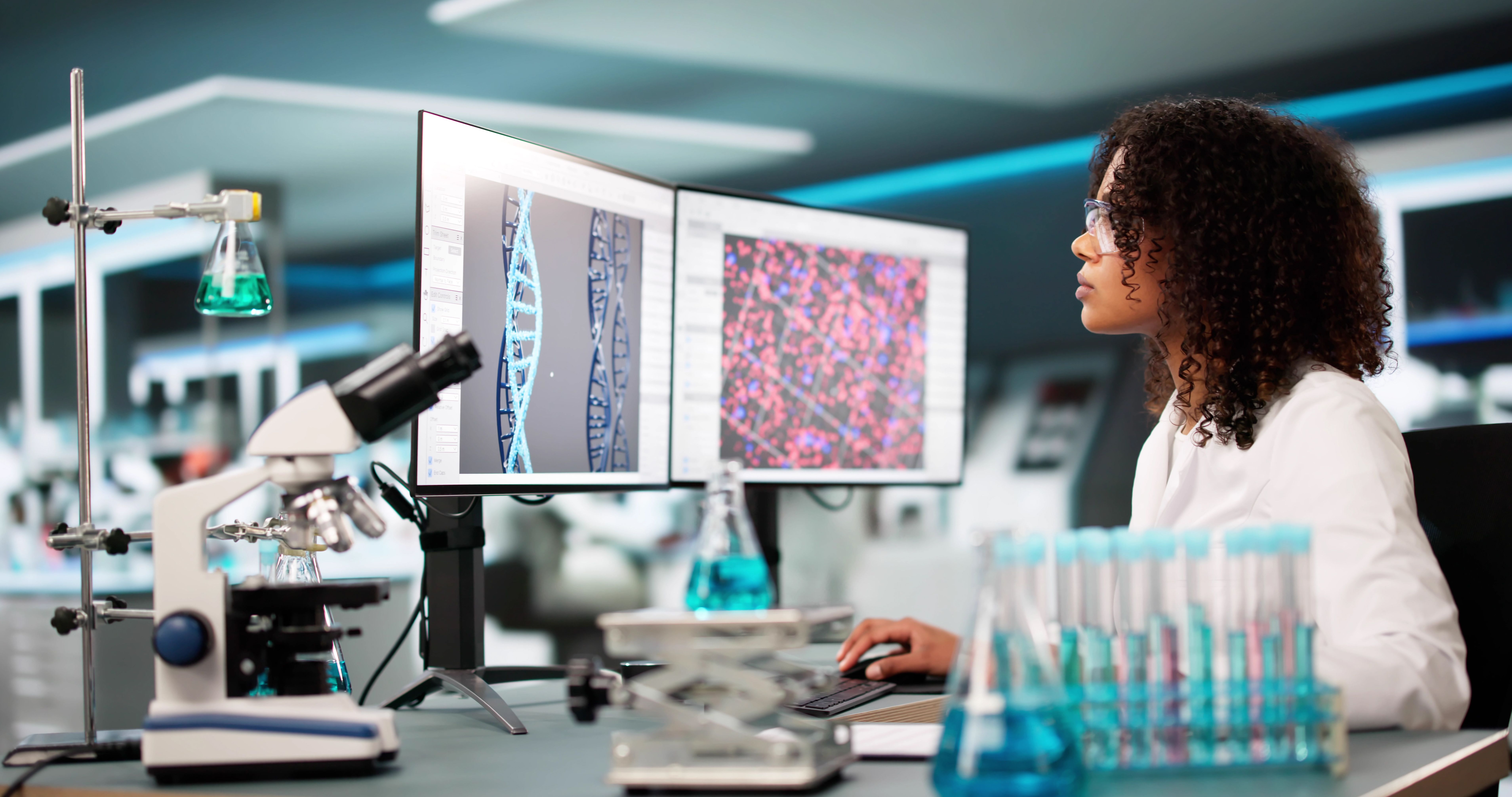
Moreover, collaboration between research institutions, healthcare providers, and pharmaceutical companies is essential for translating biomarker discoveries into clinical practice. These partnerships foster the development of testing protocols and ensure the integration of biomarkers into routine healthcare.
Challenges and Future Directions
Despite the promise of biomarkers, there are several challenges in their identification and application. Variability in biomarker expression, differences in patient populations, and the complexity of biological systems can complicate the process. Additionally, regulatory hurdles and the need for standardization across testing methods pose significant obstacles.
Looking ahead, advancements in artificial intelligence and machine learning hold the potential to revolutionize biomarker discovery. These technologies can analyze vast datasets to identify patterns and correlations that may lead to the identification of novel biomarkers. The future of targeted therapies is bright, with biomarkers playing a central role in bringing precision medicine to the forefront of healthcare.