Understanding Biomarker Identification: A Guide for Improved Cancer Outcomes


Introduction to Biomarkers in Cancer
Biomarkers are biological molecules found in blood, other body fluids, or tissues that signal a normal or abnormal process, or a condition or disease. In the realm of oncology, understanding biomarkers is crucial as they can significantly enhance cancer diagnosis, treatment, and monitoring.
The Role of Biomarker Identification
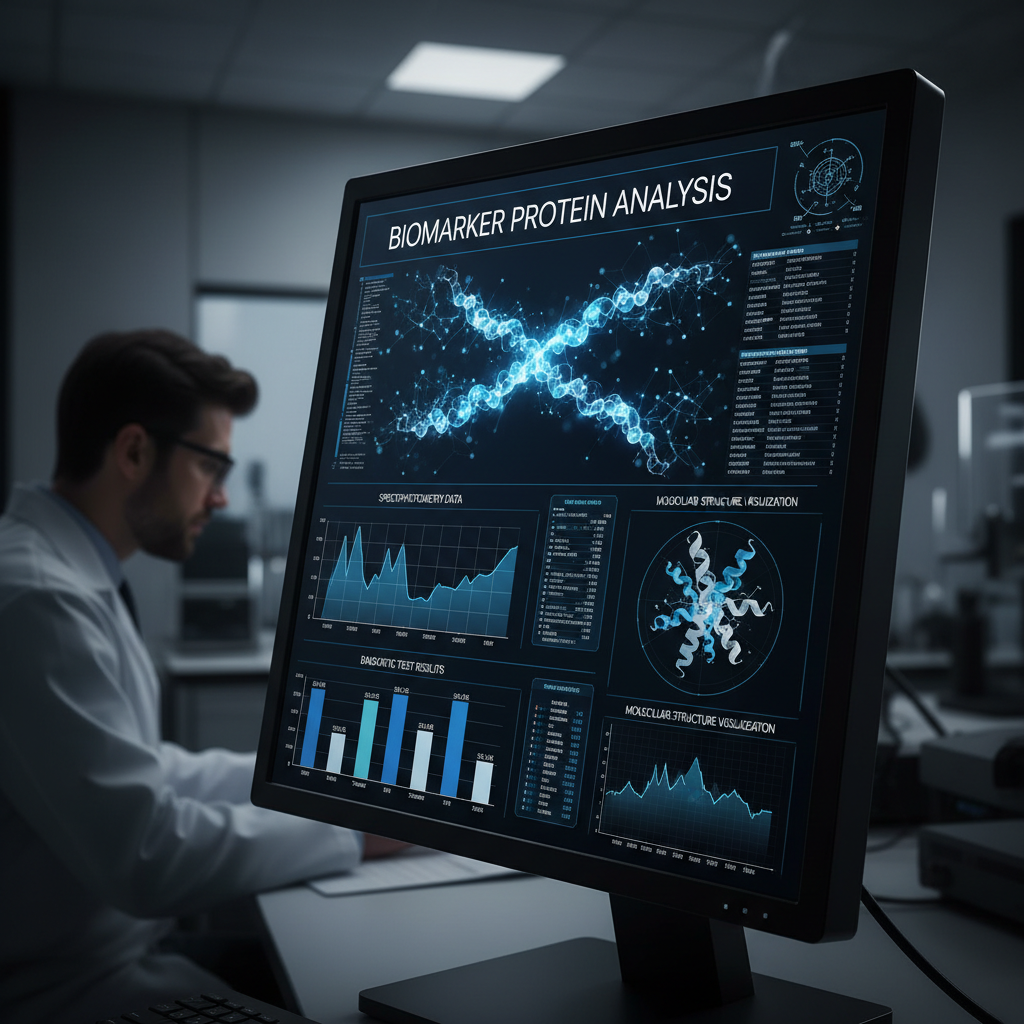
The identification of biomarkers involves discovering and validating these molecules to improve the understanding of cancer biology. This process is vital for developing targeted therapies that can more effectively treat various types of cancer.
Biomarker identification can lead to personalized medicine, where treatments are tailored to the individual's genetic makeup, improving efficacy and reducing side effects.
Types of Biomarkers
Biomarkers can be classified into several categories:
- Diagnostic biomarkers: Used to detect or confirm the presence of a disease.
- Prognostic biomarkers: Provide information about the likely course of a disease.
- Predictive biomarkers: Indicate the likely benefit from treatment.
Techniques in Biomarker Identification
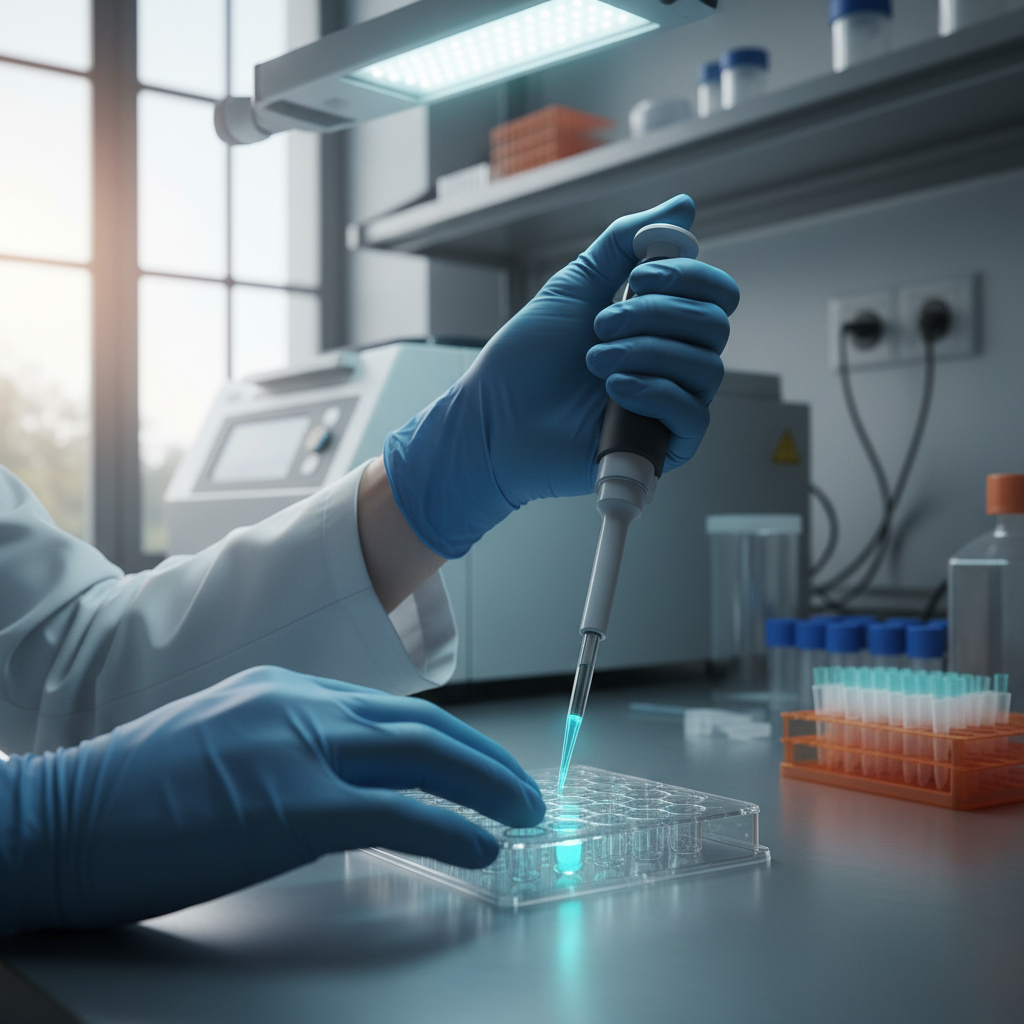
Several advanced techniques are employed in the identification of biomarkers, including genomics, proteomics, and metabolomics. Each technique offers unique insights into the molecular underpinnings of cancer, enabling more precise targeting of therapies.
Genomics involves studying the complete set of DNA within an organism, while proteomics focuses on the entire set of proteins. Metabolomics examines the chemical processes involving metabolites, providing a comprehensive overview of the metabolic changes in cancer cells.
Challenges in Biomarker Identification
Despite the potential benefits, biomarker identification faces several challenges. These include the complexity of cancer biology, the need for high-quality biological samples, and the integration of vast amounts of data.
Overcoming these challenges requires collaboration across multidisciplinary teams and the use of advanced computational tools to analyze and interpret data effectively.

Impact on Cancer Treatment Outcomes
The successful identification and integration of biomarkers into clinical practice can transform cancer treatment. By providing insights into the most effective therapies for individual patients, biomarkers can enhance treatment outcomes and improve survival rates.
Moreover, biomarkers can help in monitoring disease progression and response to treatment, enabling timely adjustments to therapeutic strategies.
Future Prospects
The future of biomarker identification holds immense promise. With advancements in technology and a deeper understanding of cancer biology, new biomarkers are continually being discovered. These discoveries pave the way for more personalized and effective cancer treatments.
Continued research and innovation in this field are essential to unlocking the full potential of biomarkers in improving cancer outcomes.