The Role of Genomics in Developing Targeted Cancer Therapies


Understanding Genomics in Cancer Research
The field of genomics has revolutionized our understanding of cancer, providing insights into how genetic variations can influence the development and progression of the disease. By analyzing the complete set of DNA within a tumor, researchers can identify specific mutations that drive cancer growth. This information is crucial for developing targeted therapies that are more effective and less harmful than traditional treatments.

Genomics involves sequencing the DNA of cancer cells to identify mutations and alterations that are unique to an individual's cancer. This personalized approach allows for the development of therapies tailored to the genetic profile of a patient's tumor, potentially improving outcomes and reducing side effects.
The Impact of Genomics on Targeted Cancer Therapies
Targeted cancer therapies aim to interfere with specific molecules involved in the growth and spread of cancer cells. By focusing on molecular and genetic alterations in cancer cells, these therapies can be more precise than traditional chemotherapy, which affects both healthy and cancerous cells.
Genomic analysis enables researchers to identify potential targets for these therapies. For instance, if a particular mutation is known to drive cancer growth, scientists can develop drugs that specifically inhibit the function of the mutated gene or protein.

Benefits of Targeted Cancer Therapies
There are several significant benefits to using targeted therapies in cancer treatment:
- Increased efficacy: By honing in on specific genetic mutations, targeted therapies can be more effective at slowing or stopping cancer progression.
- Reduced side effects: Since these therapies are more precise, they typically cause fewer side effects compared to conventional treatments.
- Personalized treatment: Genomic profiling allows for a customized approach, providing patients with therapies that are most likely to be effective for their particular cancer type.
Challenges in Genomic Research and Therapy Development
Despite the promise of genomics, there are challenges to overcome. One of the main issues is the complexity of cancer genetics, as tumors can have multiple mutations and change over time. This complexity requires continuous research and adaptation of therapies.
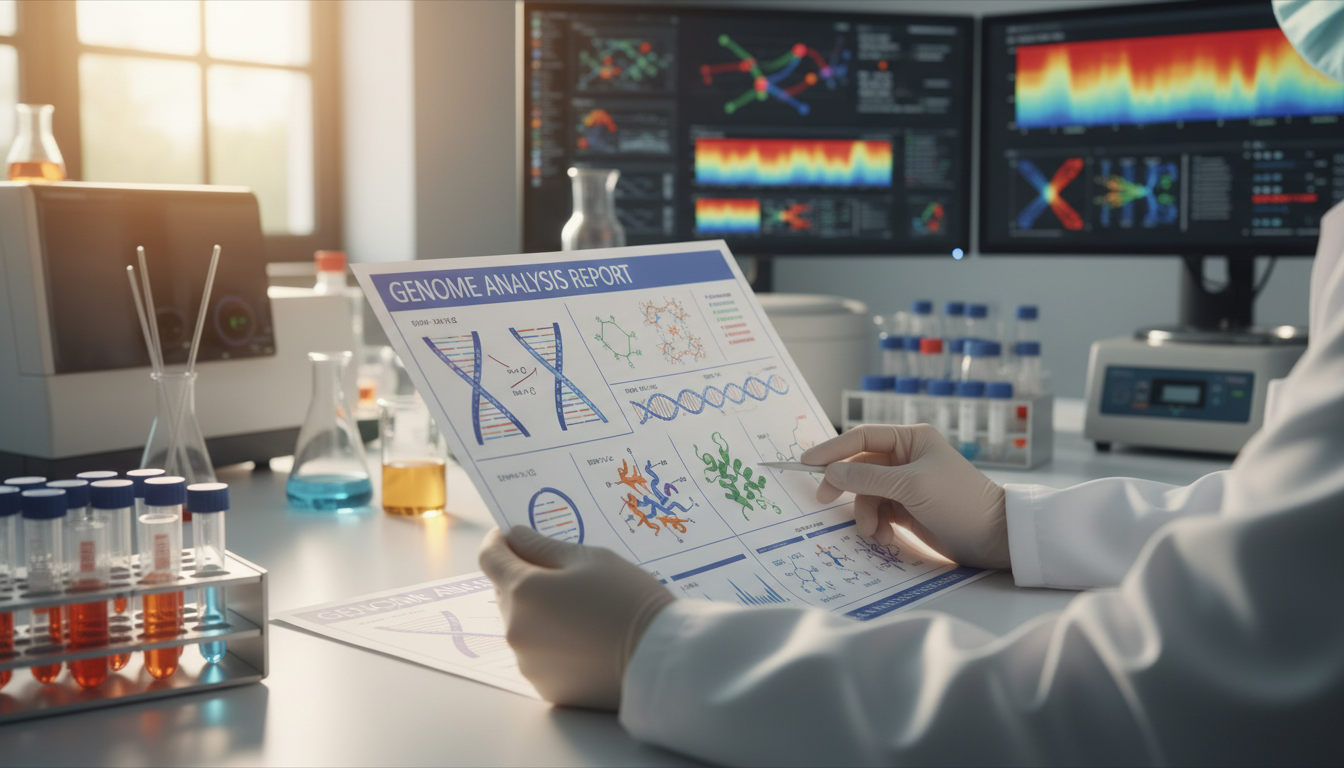
Another challenge is accessibility. Genomic testing can be expensive, and not all patients have access to advanced sequencing technologies. Efforts are underway to make these tests more affordable and widely available, ensuring that more patients can benefit from personalized cancer treatment.
The Future of Genomics in Cancer Therapy
As technology advances, the role of genomics in cancer therapy will continue to grow. Researchers are exploring new ways to use genomic data, including the development of combination therapies that target multiple mutations simultaneously. Additionally, artificial intelligence and machine learning are being utilized to analyze genomic data more efficiently, potentially leading to faster and more accurate treatment options.
Ultimately, the integration of genomics into cancer care represents a significant shift toward personalized medicine, promising better outcomes for patients and a more profound understanding of the disease.