The Role of Genomics in Developing Targeted Cancer Therapies


Understanding Genomics in Cancer Therapy
Genomics is revolutionizing the way we approach cancer treatment. By analyzing the genetic makeup of cancer cells, researchers can develop therapies that target specific mutations. This approach offers a more personalized treatment, potentially leading to better outcomes and fewer side effects compared to traditional methods.

The Science Behind Genomics
Genomics involves the comprehensive study of an organism's entire genetic material. In cancer, scientists focus on identifying genetic mutations and alterations that drive tumor growth. This information is crucial for developing targeted therapies that can effectively inhibit these specific pathways.
By understanding the genetic basis of different cancers, researchers can categorize tumors based on their genetic profile rather than their location in the body. This shift in perspective is paving the way for more precise and effective treatments.
Benefits of Targeted Cancer Therapies
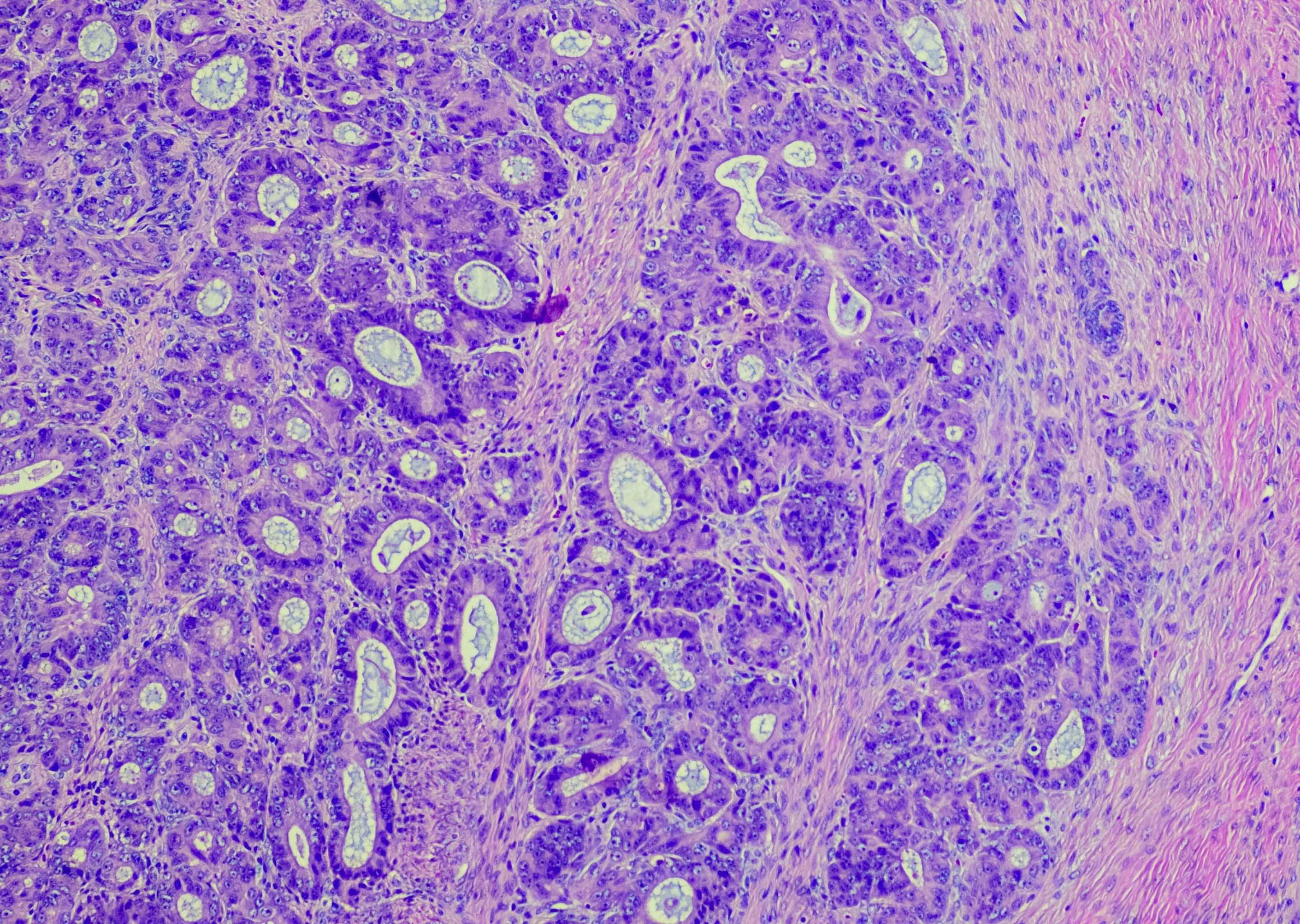
Targeted therapies offer significant advantages over conventional treatments like chemotherapy and radiation. They are designed to attack cancer cells with precision, minimizing damage to healthy cells. This precision reduces the risk of side effects and improves the patient's quality of life during treatment.
Moreover, targeted therapies can be tailored to an individual's specific genetic makeup, making them more effective. This personalized approach ensures that patients receive the most suitable treatment for their unique cancer profile.

Challenges and Considerations
Despite the promising potential of genomics in cancer therapy, there are challenges to consider. One major issue is the complexity of cancer genetics. Tumors often have multiple mutations, making it difficult to develop a one-size-fits-all treatment.
Additionally, the cost of genomic testing and targeted therapies can be prohibitive. Ensuring that these innovations are accessible to a broad population remains a significant hurdle for healthcare systems worldwide.
The Future of Cancer Treatment
The integration of genomics into cancer therapy is just the beginning. As technology advances and our understanding of cancer genetics deepens, we can expect even more breakthroughs. The future holds the promise of not only treating cancer more effectively but also preventing it through early detection and intervention.
Researchers are continually exploring new ways to harness genomic data, including combining targeted therapies with other treatments like immunotherapy. This combination approach could further enhance treatment efficacy and patient outcomes.
Conclusion
The role of genomics in developing targeted cancer therapies is undeniably transformative. By focusing on the genetic underpinnings of cancer, researchers can craft more effective and personalized treatment strategies. While challenges remain, the potential benefits for patients are immense, making genomics a cornerstone in the future of cancer care.