The Role of Biomarkers in Developing Targeted Therapies: A Comprehensive Guide


Understanding Biomarkers
Biomarkers are biological molecules found in blood, other body fluids, or tissues that signal a normal or abnormal process, or a condition or disease. They play a crucial role in the medical field, particularly in the development of targeted therapies. By providing specific information about a patient's health, biomarkers help in diagnosing diseases, predicting disease progression, and monitoring responses to treatment.
The Importance of Biomarkers in Targeted Therapies
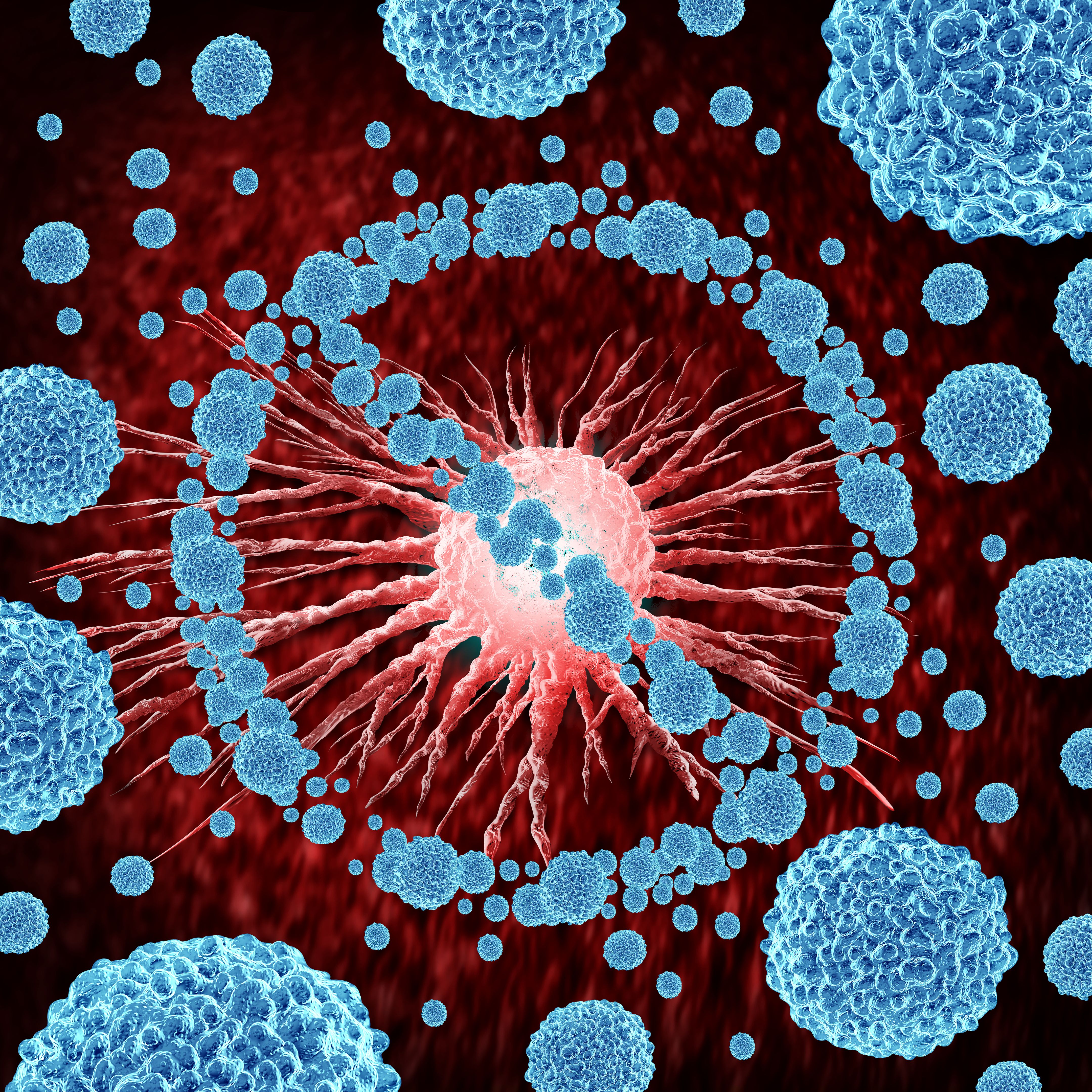
Targeted therapies are treatments that specifically target molecular changes in cells that cause diseases, such as cancer. Biomarkers are essential in identifying these molecular changes, thus enabling the development of more precise and effective treatments. They help in pinpointing which patients are most likely to benefit from a particular therapy, thereby reducing unnecessary treatments and improving patient outcomes.
Moreover, biomarkers assist in the early detection of diseases, which can significantly enhance the effectiveness of treatments. By understanding the genetic makeup of a disease, researchers can develop therapies that specifically target those genetic mutations, leading to more successful treatment outcomes.
Types of Biomarkers
There are several types of biomarkers used in developing targeted therapies:
- Diagnostic biomarkers: These aid in detecting or confirming the presence of a disease.
- Prognostic biomarkers: They provide information about the likely course of a disease, helping in predicting disease progression.
- Predictive biomarkers: These indicate the likelihood of a patient responding to a particular treatment.

Challenges in Biomarker Development
Despite their potential, the development of biomarkers is fraught with challenges. One of the significant hurdles is the complexity of diseases, which often involves multiple pathways and interactions. This complexity makes it difficult to identify and validate reliable biomarkers. Additionally, the process of biomarker discovery and validation is resource-intensive, requiring significant time and financial investment.
There is also the challenge of ensuring that biomarkers are clinically relevant and provide actionable insights. This requires extensive clinical trials and collaboration among researchers, clinicians, and regulatory bodies to ensure that biomarkers can be effectively integrated into clinical practice.
The Future of Biomarkers in Targeted Therapies
The future of biomarkers in the realm of targeted therapies is promising, with continuous advancements in technology and research. Innovations such as high-throughput sequencing and bioinformatics are revolutionizing biomarker discovery, making it faster and more accurate. These tools allow researchers to analyze vast amounts of data, leading to the identification of novel biomarkers that can be used for developing new targeted therapies.

Furthermore, as our understanding of genomics and proteomics deepens, the potential for discovering more specific and effective biomarkers increases. This will not only improve the development of targeted therapies but also personalize treatment plans for patients, ensuring that they receive the most effective care based on their unique genetic makeup.
Conclusion
Biomarkers are at the forefront of transforming healthcare, particularly in the development of targeted therapies. Their ability to provide detailed insights into the molecular underpinnings of diseases makes them invaluable tools in the pursuit of more effective and personalized treatments. As research and technology continue to advance, the role of biomarkers in medicine will undoubtedly expand, offering new hope for patients worldwide.