The Role of AI in Revolutionizing Precision Oncology


Understanding Precision Oncology
Precision oncology is transforming cancer treatment by tailoring therapies to individual patients based on genetic, environmental, and lifestyle factors. Unlike traditional approaches, which often rely on a one-size-fits-all method, precision oncology seeks to understand the unique genetic makeup of each cancer.
This personalized approach allows for more effective treatments with fewer side effects. By leveraging data and technology, precision oncology aims to improve patient outcomes and revolutionize cancer care.

The Impact of AI on Precision Oncology
Artificial intelligence (AI) is playing a crucial role in revolutionizing precision oncology. AI algorithms can analyze vast amounts of data quickly and accurately, identifying patterns and insights that would be impossible for humans to detect.
AI's ability to process complex datasets enhances the understanding of cancer biology, leading to more effective treatment strategies. This technological advancement is key to unlocking the full potential of precision oncology.
AI in Genetic Analysis
One of the significant contributions of AI in precision oncology is its application in genetic analysis. AI tools can rapidly analyze genomic data to identify mutations and genetic markers associated with specific cancers.
This capability enables oncologists to select targeted therapies that are more likely to succeed, enhancing the precision of treatment plans.

AI-Powered Drug Discovery
AI is also accelerating drug discovery and development in precision oncology. By simulating how different drugs interact with cancer cells, AI can predict which compounds are most likely to be effective.
This reduces the time and cost associated with developing new cancer therapies, bringing innovative treatments to patients faster than ever before.
Enhancing Diagnostic Accuracy
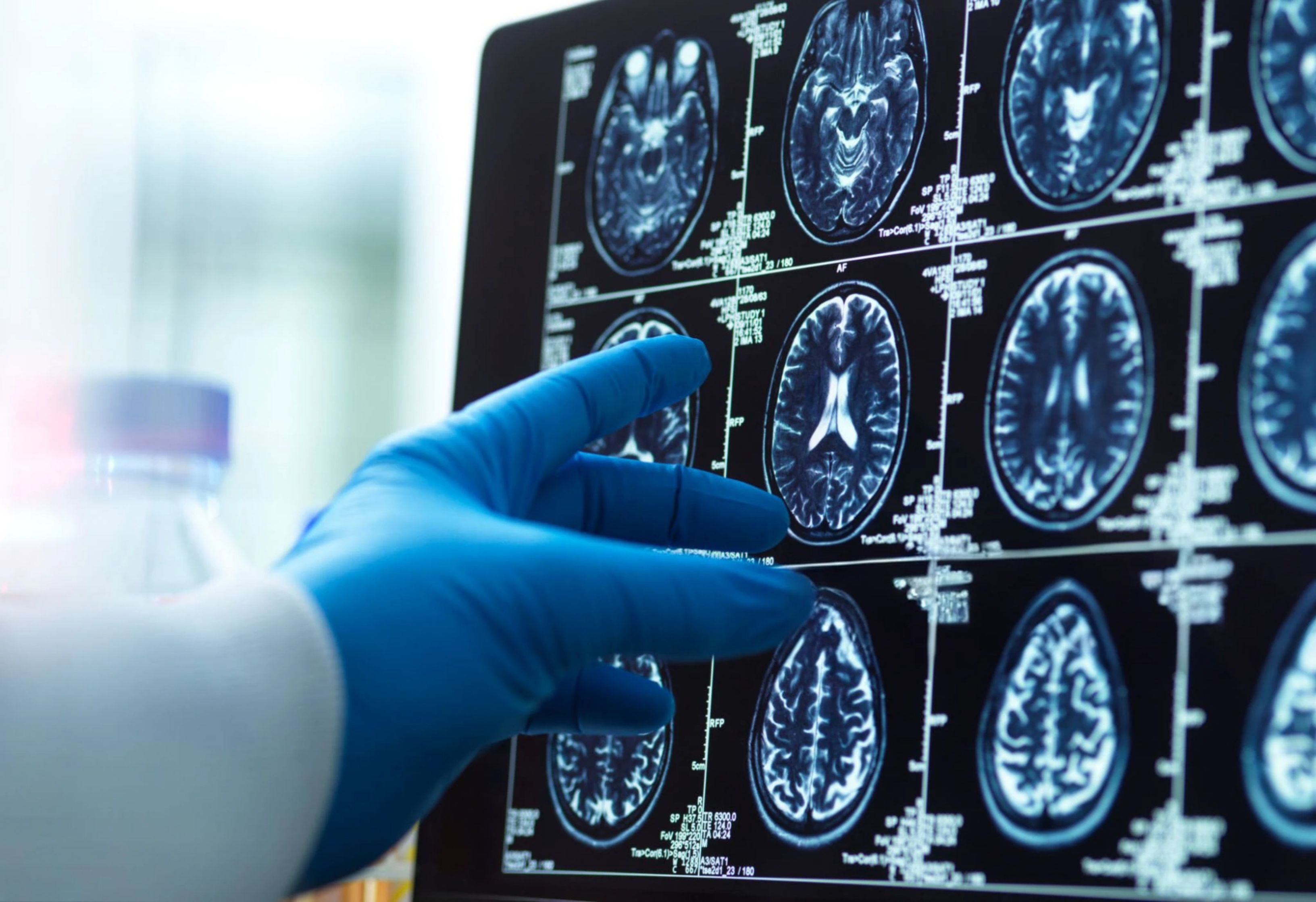
AI technologies are improving diagnostic accuracy by analyzing medical imaging and pathology slides with remarkable precision. Machine learning algorithms can detect subtle differences in tumor samples that may be missed by human eyes.
This heightened accuracy ensures that patients receive the correct diagnosis, which is critical for effective treatment planning.
Challenges and Future Prospects
Despite the promising advancements, there are challenges in integrating AI into precision oncology, such as data privacy concerns and the need for standardized protocols.
However, as technology continues to evolve, AI's role in precision oncology is expected to grow, offering new possibilities for personalized cancer care.
Collaborative Efforts
Collaboration between AI researchers, oncologists, and healthcare providers is essential to fully harness the potential of AI in precision oncology. By working together, these professionals can develop innovative solutions that address existing challenges and improve patient outcomes.
The future of precision oncology looks bright as these collaborations continue to enhance the integration of AI into cancer care.