The Future of Personalized Medicine: Exploring Data Integration in Oncology


Introduction to Personalized Medicine in Oncology
Personalized medicine is transforming oncology by tailoring treatments to the individual characteristics of each patient. This approach is driven by advances in genomics, biotechnology, and data analytics, offering hope for more effective and less toxic cancer therapies. As we look to the future, the integration of diverse data sources is key to unlocking the full potential of personalized medicine.
The Role of Genomic Data
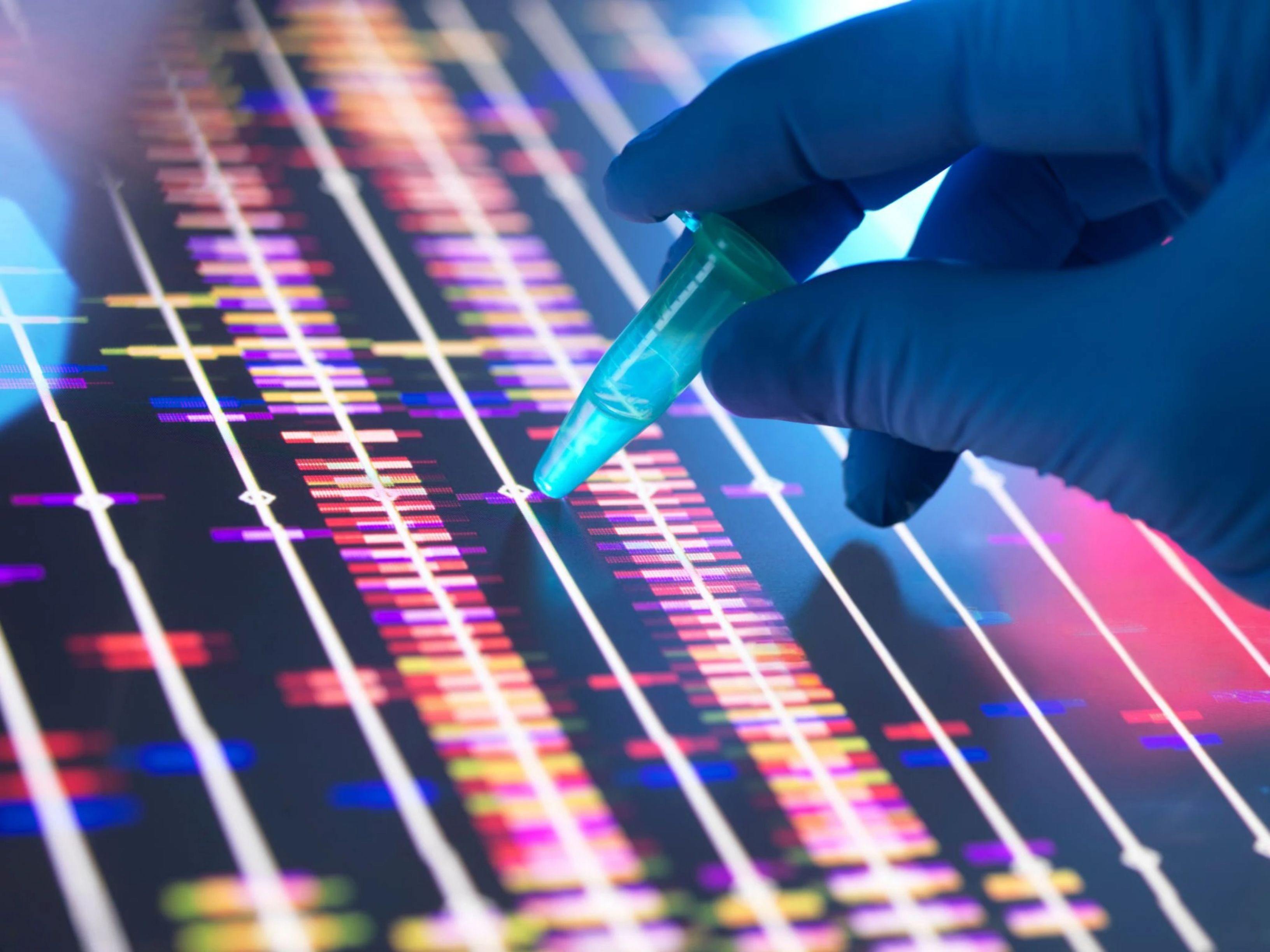
Genomic data is a cornerstone of personalized medicine in oncology. By analyzing a patient's genetic makeup, healthcare providers can identify specific mutations that drive cancer growth. This information enables the development of targeted therapies that attack cancer cells while sparing healthy tissue. The ongoing reduction in sequencing costs and improvements in bioinformatics are making genomic data more accessible and actionable.
Challenges in Genomic Data Integration
Despite its promise, integrating genomic data into clinical practice poses challenges. These include managing the vast amounts of data generated, ensuring data accuracy, and addressing privacy concerns. Effective integration requires robust infrastructure and collaboration between clinicians, researchers, and data scientists.
Harnessing Big Data for Better Outcomes
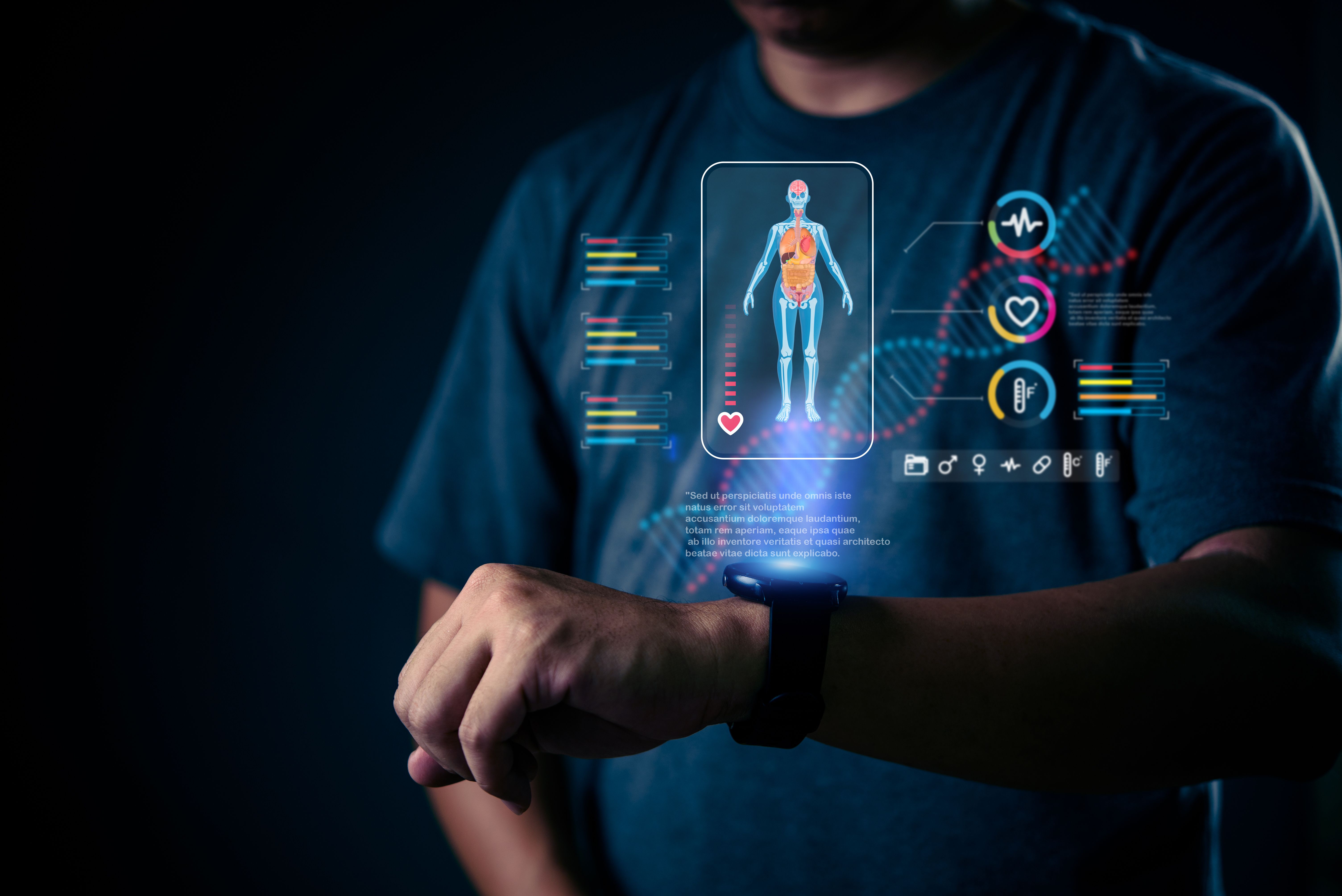
Beyond genomics, personalized medicine leverages a variety of data sources including electronic health records (EHRs), imaging studies, and patient-reported outcomes. The integration of these datasets can provide a comprehensive view of a patient's health, allowing for more informed decision-making. Big data analytics plays a crucial role in synthesizing this information into actionable insights.
Data Analytics Tools in Oncology
Advanced analytics tools such as machine learning and artificial intelligence are essential in processing and interpreting complex datasets. These technologies can identify patterns and predict treatment responses, enhancing the precision of personalized therapies. As these tools become more sophisticated, they hold the potential to revolutionize cancer care.

The Importance of Interdisciplinary Collaboration
The future of personalized medicine in oncology depends on collaboration across disciplines. Oncologists, geneticists, bioinformaticians, and data scientists must work together to develop integrated solutions that make personalized care a reality. Collaborative efforts are essential to overcome technical and logistical barriers that currently limit data integration.
Innovative Partnerships and Initiatives
Several initiatives are underway to foster collaboration and accelerate progress in personalized oncology. Public-private partnerships and global consortia are pooling resources and expertise to tackle the challenges of data integration. These efforts aim to establish standards and frameworks that facilitate the seamless sharing and interpretation of medical data.
The Impact on Patient Care
The ultimate goal of integrating data in oncology is to improve patient outcomes. Personalized treatment plans can enhance efficacy, reduce side effects, and increase survival rates. Patients stand to benefit from more precise diagnoses and tailored therapies that consider their unique genetic and environmental factors.

Looking Forward
As technology advances and our understanding of cancer biology deepens, the future of personalized medicine in oncology looks promising. Continued investment in research and infrastructure is crucial to overcoming existing challenges. By embracing data integration, the healthcare community can pave the way for a new era of personalized cancer care that offers hope to millions worldwide.