The Future of Genomic Data in Precision Oncology


Understanding Genomic Data in Precision Oncology
In recent years, the field of precision oncology has witnessed a transformative shift, largely driven by the increasing accessibility and understanding of genomic data. By analyzing a patient's genetic profile, oncologists can tailor treatments that are more effective and personalized, aiming to improve outcomes and minimize side effects.
Genomic data provides insights into the mutations and alterations that drive cancer growth. This information allows healthcare professionals to select targeted therapies that specifically address these genetic changes, offering hope for more successful cancer treatments.
The Role of Genomic Sequencing
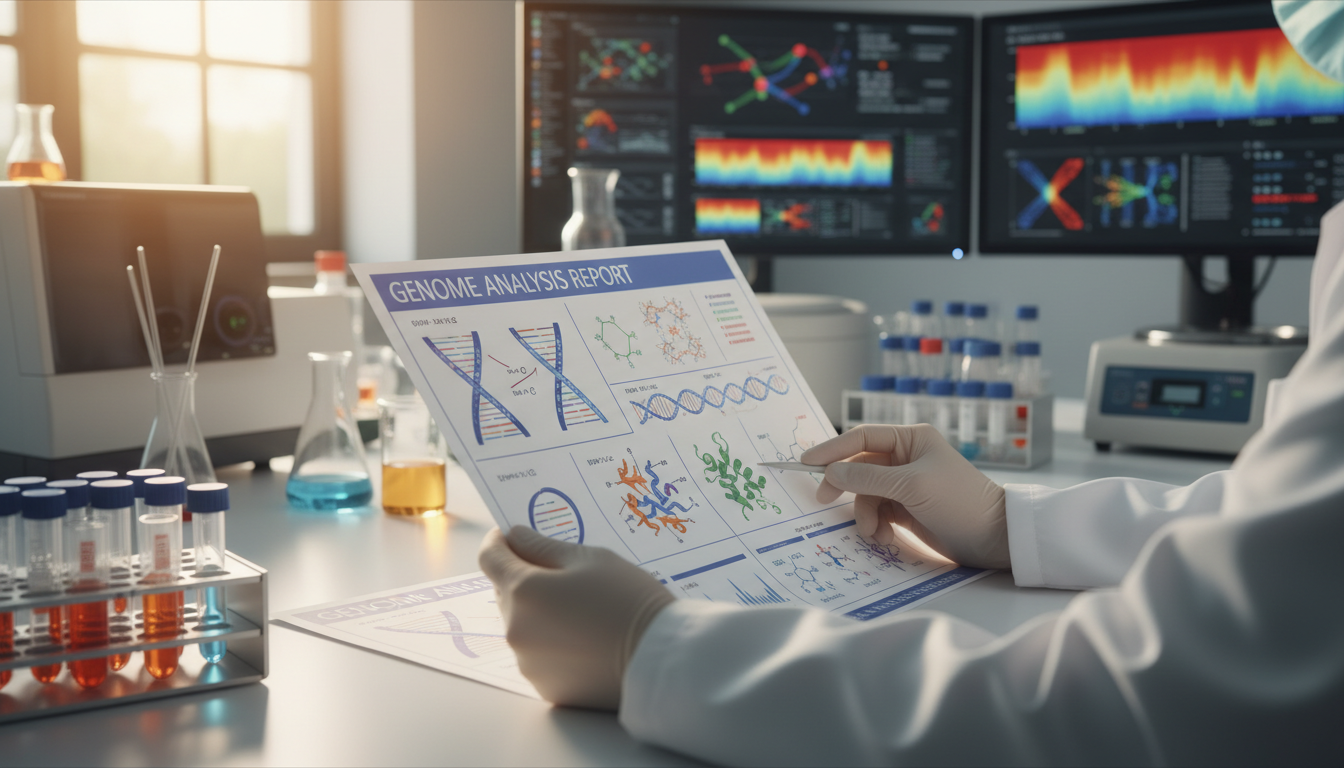
Genomic sequencing plays a crucial role in identifying specific genetic mutations associated with different types of cancers. Techniques like Whole Genome Sequencing (WGS) and Whole Exome Sequencing (WES) enable the comprehensive analysis of a patient’s DNA, uncovering mutations that might not be detectable through traditional methods.
With advancements in sequencing technology, the costs associated with these analyses have decreased, making genomic sequencing more accessible to a broader patient population. This accessibility is crucial in advancing precision oncology, as it allows more individuals to benefit from personalized treatment plans.
Integration of AI and Machine Learning
Artificial Intelligence (AI) and Machine Learning (ML) are increasingly being integrated into the analysis of genomic data. These technologies can rapidly process vast amounts of information, identifying patterns and correlations that might be missed by human researchers.
By leveraging AI and ML, researchers and clinicians can develop predictive models to forecast how a specific cancer will respond to various treatments. This capability enhances the precision and effectiveness of oncology care.

Challenges and Ethical Considerations
Despite its potential, the use of genomic data in precision oncology is not without challenges. Issues such as data privacy, the need for standardized data formats, and the interpretation of complex genetic information are significant hurdles. Ensuring patient confidentiality while allowing for data sharing is a delicate balance that must be maintained.
Moreover, there are ethical considerations regarding the use of genomic data, particularly in terms of genetic discrimination and informed consent. Establishing robust ethical guidelines is essential to protect patients and maintain public trust in genomic medicine.
The Future of Personalized Cancer Treatment
The future of genomic data in precision oncology is promising, with potential breakthroughs on the horizon. As research progresses, the integration of genomics into everyday clinical practice is expected to become more seamless, offering personalized cancer treatments to a wider array of patients.
- Development of new targeted therapies.
- Advancements in gene editing technologies, such as CRISPR.
- Expansion of genomic databases for more comprehensive research.
These advancements hold the promise of transforming cancer care, moving from a one-size-fits-all approach to a more nuanced, patient-specific model.

Conclusion
The integration of genomic data in precision oncology marks a significant step forward in cancer treatment. By continuing to harness the power of genomic information, the medical community can develop more effective, personalized therapies that improve patient outcomes.
As we look to the future, ongoing research and collaboration across disciplines will be essential to overcoming current challenges and realizing the full potential of this exciting field.