The Future of Genomic Data in Healthcare: Transforming Cancer Treatment


The integration of genomic data into healthcare is revolutionizing cancer treatment. By leveraging the power of genetic information, healthcare professionals can develop more personalized and effective treatment plans for cancer patients. This shift towards precision medicine is not only improving outcomes but also paving the way for new research and innovation.
Understanding Genomic Data
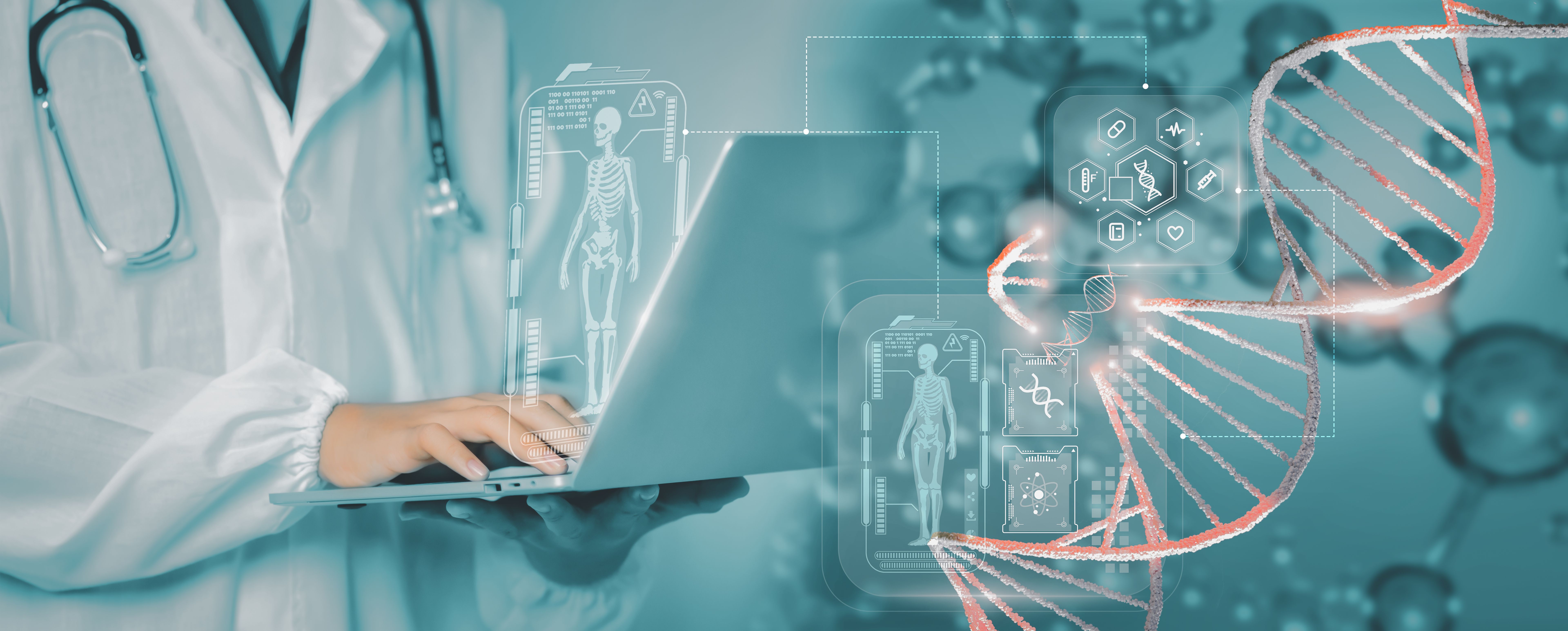
Genomic data refers to the complete set of DNA within an organism, including all of its genes. In the context of cancer treatment, analyzing this data helps identify genetic mutations that may be driving the growth of cancer cells. This information is critical in developing targeted therapies that specifically address these mutations.
The Role of Genomic Sequencing
Genomic sequencing plays a pivotal role in the collection and analysis of genomic data. By sequencing a patient's genome, healthcare providers can identify specific mutations associated with different types of cancer. This information allows for more accurate diagnoses and the development of personalized treatment plans.
Transforming Cancer Treatment
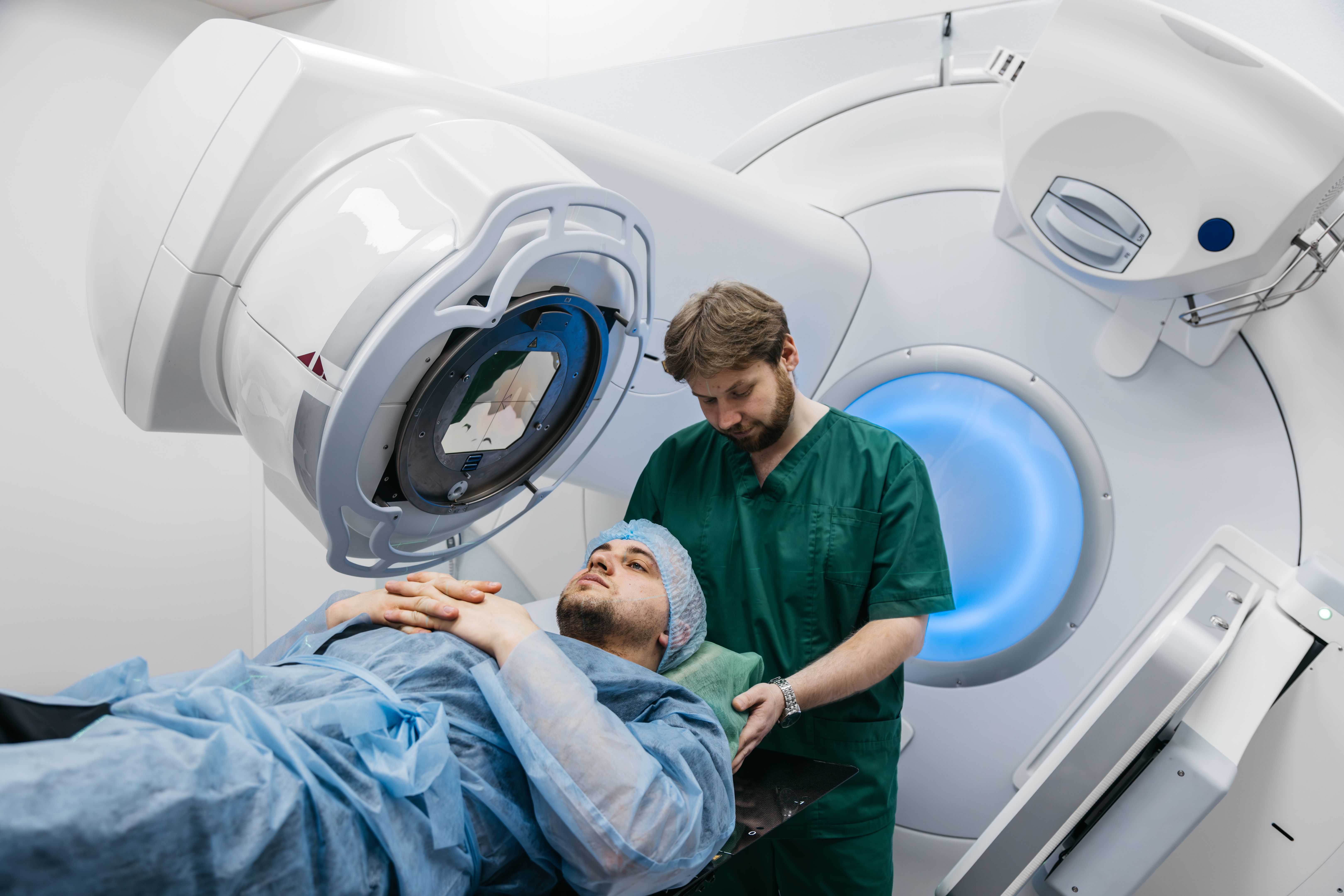
The use of genomic data in cancer treatment is transforming the traditional approach to oncology. Rather than relying solely on standard treatments like chemotherapy, doctors can now tailor therapies based on a patient's unique genetic profile. This approach not only increases the effectiveness of treatment but also reduces the risk of adverse side effects.
Targeted Therapy and Immunotherapy
Two significant advancements in cancer treatment that have emerged from genomic research are targeted therapy and immunotherapy. Targeted therapies focus on specific genetic mutations within cancer cells, while immunotherapies boost the body's immune system to fight cancer more effectively. Both approaches offer promising alternatives to conventional treatments.

The Future of Genomic Data in Healthcare
As genomic data continues to play a crucial role in cancer treatment, its impact on healthcare is expected to grow. Researchers are constantly discovering new genetic markers associated with various cancers, leading to the development of innovative therapies. The future of cancer treatment lies in the continued integration of genomic data into clinical practice.
Challenges and Opportunities
Despite its potential, the use of genomic data in healthcare presents several challenges. Issues such as data privacy, the cost of genomic sequencing, and the need for specialized training for healthcare professionals must be addressed. However, the opportunities for improving patient outcomes and advancing medical research are immense.
In conclusion, the future of genomic data in healthcare is bright, with the potential to transform cancer treatment and improve the lives of millions. As technology advances and our understanding of genetics deepens, the promise of personalized medicine becomes increasingly attainable.