Precision Oncology: Integrating Genomics and Clinical Trial Data


Understanding Precision Oncology
Precision oncology is revolutionizing cancer treatment by tailoring therapies to individual patient profiles. This approach leverages the power of genomics and clinical trial data to create personalized treatment plans. The goal is to maximize efficacy while minimizing side effects, offering hope for improved outcomes in cancer care.
With advancements in genomic sequencing, doctors can identify specific mutations within a tumor. By understanding these genetic profiles, oncologists can select targeted therapies that directly address the underlying causes of a patient's cancer. This shift from a one-size-fits-all model to a more personalized approach marks a significant advancement in oncology.

The Role of Genomics in Cancer Treatment
Genomics plays a crucial role in precision oncology. By sequencing the DNA of cancer cells, researchers can uncover mutations that drive tumor growth. This information is vital for developing targeted therapies that can inhibit these genetic alterations.
Incorporating genomic data into treatment decisions allows for more precise interventions. For instance, patients with specific genetic mutations may benefit from drugs that are designed to counteract those changes. This targeted strategy is proving to be more effective than traditional chemotherapy for many cancer types.
Integrating Clinical Trial Data
Clinical trial data is another cornerstone of precision oncology. By analyzing results from clinical trials, researchers can identify which treatments are most effective for specific genetic profiles. This data-driven approach ensures that patients receive the best possible care based on the latest scientific evidence.

Participating in clinical trials also provides patients with access to cutting-edge therapies that may not yet be widely available. This can be particularly beneficial for those with rare or hard-to-treat cancers, offering new avenues for treatment and hope for recovery.
Overcoming Challenges in Implementation
While the potential of precision oncology is immense, there are challenges to overcome. Integrating genomic and clinical trial data requires sophisticated technology and expertise. Additionally, there is a need for collaboration across various sectors, including healthcare providers, researchers, and pharmaceutical companies.
Another challenge is ensuring equitable access to precision oncology. The costs associated with genomic sequencing and targeted therapies can be prohibitive, highlighting the need for policies that support wider availability and affordability.
The Future of Cancer Treatment
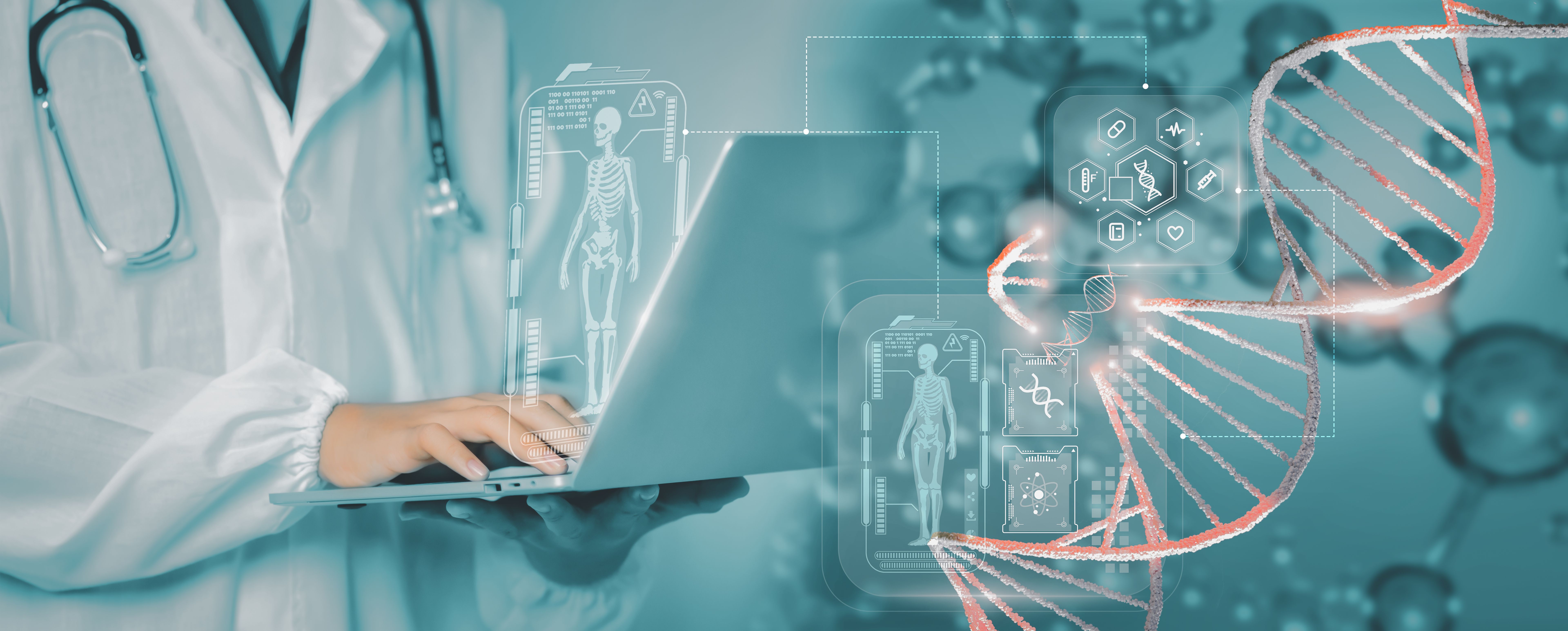
The integration of genomics and clinical trial data is paving the way for new innovations in cancer treatment. As technology continues to evolve, the potential for precision oncology will only grow, offering even more personalized and effective treatment options.
Looking ahead, continued research and collaboration will be essential to fully realize the benefits of precision oncology. By harnessing the power of genomics and clinical trial data, the future of cancer care looks promising, with the potential to transform outcomes for patients worldwide.