Personalized Medicine: How Targeted Therapies Are Changing Cancer Care


Understanding Personalized Medicine
Personalized medicine is revolutionizing the way we approach cancer care. By tailoring treatments to the individual characteristics of each patient, doctors are able to offer more effective and targeted therapies. This approach is a significant departure from traditional methods, which often involve a one-size-fits-all treatment plan.
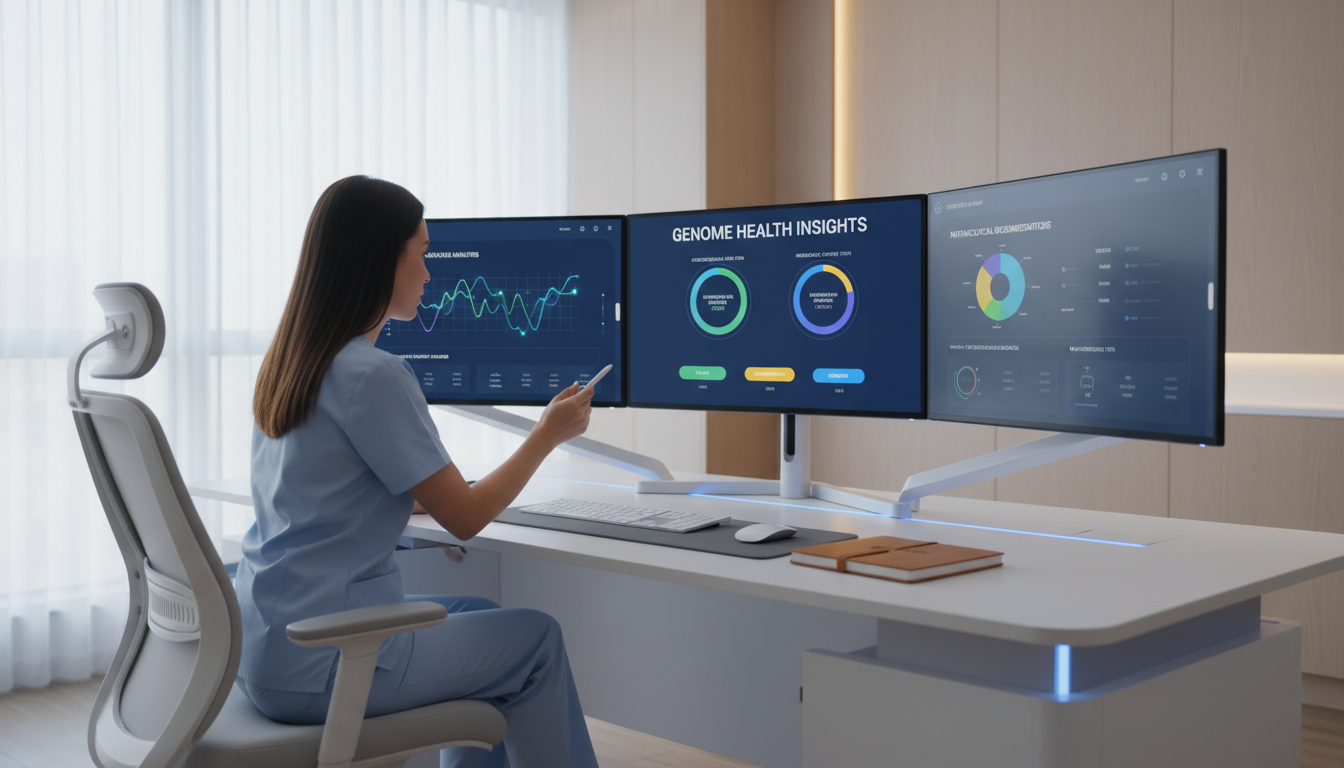
The Science Behind Targeted Therapies
Targeted therapies are a cornerstone of personalized medicine. These treatments focus on specific genetic mutations and proteins that drive cancer growth. By honing in on these targets, therapies can more effectively combat cancer while minimizing damage to healthy cells. This precision reduces side effects and improves patient outcomes.
One key aspect of targeted therapy is the use of biomarkers—biological molecules that indicate the presence of cancer. Identifying these markers allows for the development of drugs that directly interfere with the cancer’s growth mechanism.
Benefits of Personalized Medicine in Cancer Care
Personalized medicine offers numerous benefits over conventional cancer treatments. One of the primary advantages is the ability to provide more effective treatment with fewer side effects. This is achieved by specifically targeting cancer cells, sparing healthy ones, and leading to a better quality of life for patients.

Additionally, personalized approaches can help in predicting how a patient will respond to a particular treatment, allowing for adjustments in therapy that can increase effectiveness and reduce unnecessary treatments.
Challenges and Considerations
Despite its promise, personalized medicine also presents challenges. One major hurdle is the complexity and cost of genetic testing required to identify appropriate targets for therapy. Moreover, not all cancers have identifiable targets, which limits the application of personalized medicine.
- High cost of genetic testing
- Complexity in interpreting genetic data
- Limited availability for certain cancer types
Future of Personalized Medicine
As research continues, the scope of personalized medicine is expected to expand. New technologies in genetic sequencing and data analysis are making it easier to develop targeted therapies. Moreover, as our understanding of cancer biology grows, more potential targets for therapy will be identified.

Collaboration between researchers, healthcare providers, and patients is crucial to overcoming current challenges and expanding the reach of personalized medicine. By continuing to invest in research and innovation, we can look forward to a future where cancer care is more effective and compassionate.