Overcoming Challenges in Biomarker Identification for Targeted Therapies


Introduction to Biomarker Identification
In the realm of personalized medicine, biomarkers play a crucial role in developing targeted therapies. These are biological molecules found in blood, other body fluids, or tissues that indicate a normal or abnormal process, or a condition or disease. Identifying effective biomarkers can significantly enhance the precision and efficacy of treatments, particularly in oncology.
However, the journey of biomarker identification is not without its challenges. From the complexities of biological systems to technological limitations, researchers face numerous hurdles in this critical field.
Complexities in Biological Systems
One of the primary challenges in biomarker identification is the inherent complexity of biological systems. Human biology is intricate, and diseases can manifest differently in individuals. This variability makes it difficult to pinpoint biomarkers that are universally applicable.
Moreover, the presence of multiple pathways in diseases like cancer can lead to the emergence of various biomarkers, complicating the identification process. Researchers must sift through vast amounts of data to discern which biomarkers are most relevant for targeted therapies.
Technological Limitations
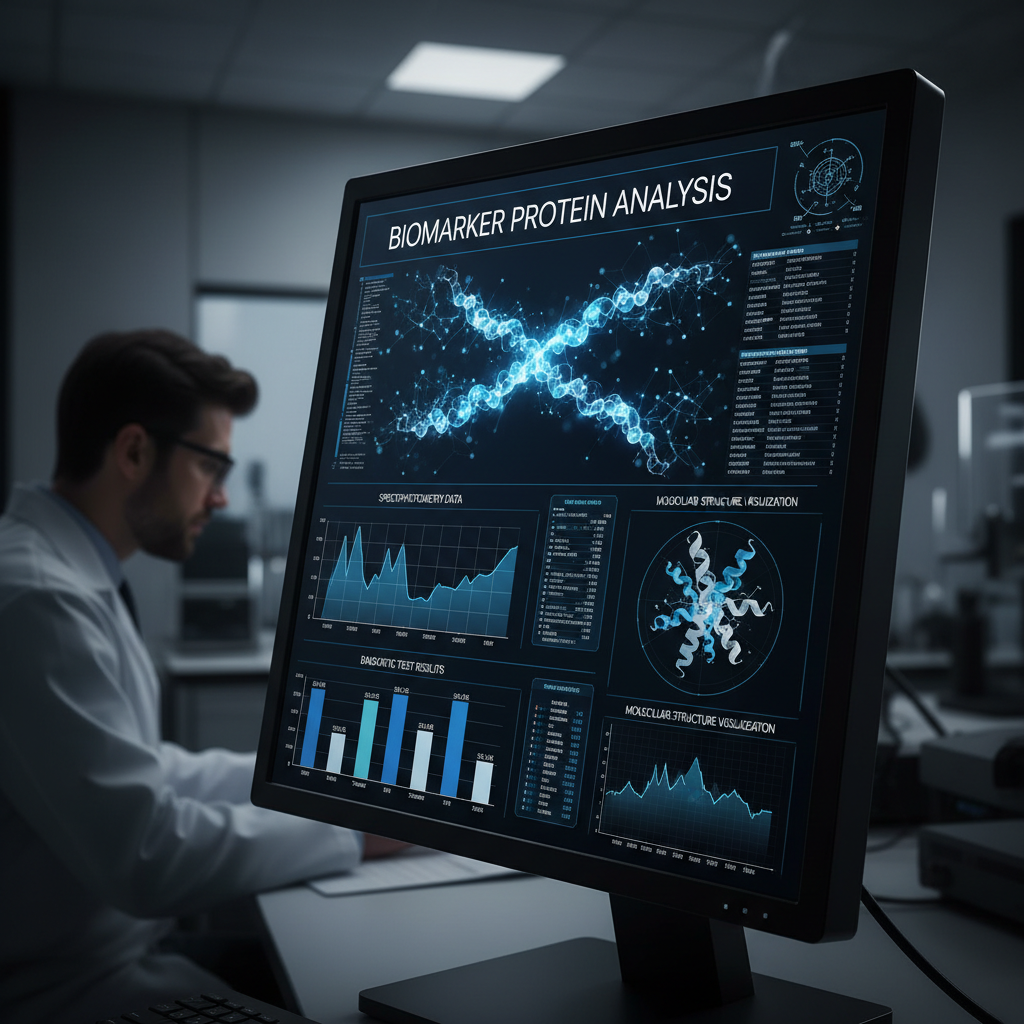
Despite advances in technology, there are still significant limitations when it comes to biomarker identification. High-throughput technologies, such as genomics and proteomics, generate enormous datasets that require sophisticated analytical tools for interpretation.

Furthermore, the integration of data from various sources, including genomic, transcriptomic, and proteomic data, remains a complex task. The lack of standardized protocols and tools can lead to discrepancies in data interpretation and hinder progress.
Regulatory and Validation Challenges
Another significant hurdle in biomarker identification is the regulatory landscape. Biomarkers must undergo rigorous validation processes to ensure their efficacy and safety for use in clinical settings. This process can be lengthy and resource-intensive, often delaying the development of targeted therapies.
Additionally, the need for large-scale clinical trials to validate biomarkers further complicates the process. These trials require significant investment and coordination, posing a barrier for many research institutions.

Strategies for Overcoming Challenges
Despite these challenges, there are strategies that researchers can employ to enhance biomarker identification. Collaborative efforts between academic institutions, industry, and regulatory bodies can facilitate the sharing of resources and knowledge, accelerating the discovery process.
- Utilizing advanced computational tools for data analysis
- Fostering interdisciplinary collaboration
- Engaging with regulatory bodies early in the research process
Conclusion: The Future of Biomarker Research
While the path to biomarker identification is fraught with challenges, the potential benefits for targeted therapies are immense. By leveraging technological advances, fostering collaboration, and navigating regulatory landscapes effectively, researchers can overcome these hurdles.
As the field continues to evolve, the integration of artificial intelligence and machine learning holds promise for revolutionizing biomarker discovery, paving the way for more precise and effective treatments.