Navigating the Complex World of Biomarkers: A Guide for Cancer Care Professionals


Understanding Biomarkers in Cancer Care
Biomarkers have revolutionized the way cancer is diagnosed and treated, providing critical insights into the biological processes of cancer. For healthcare professionals, understanding biomarkers is crucial for optimizing patient outcomes. Biomarkers can indicate the presence of cancer, predict its progression, and even suggest the most effective treatment options.
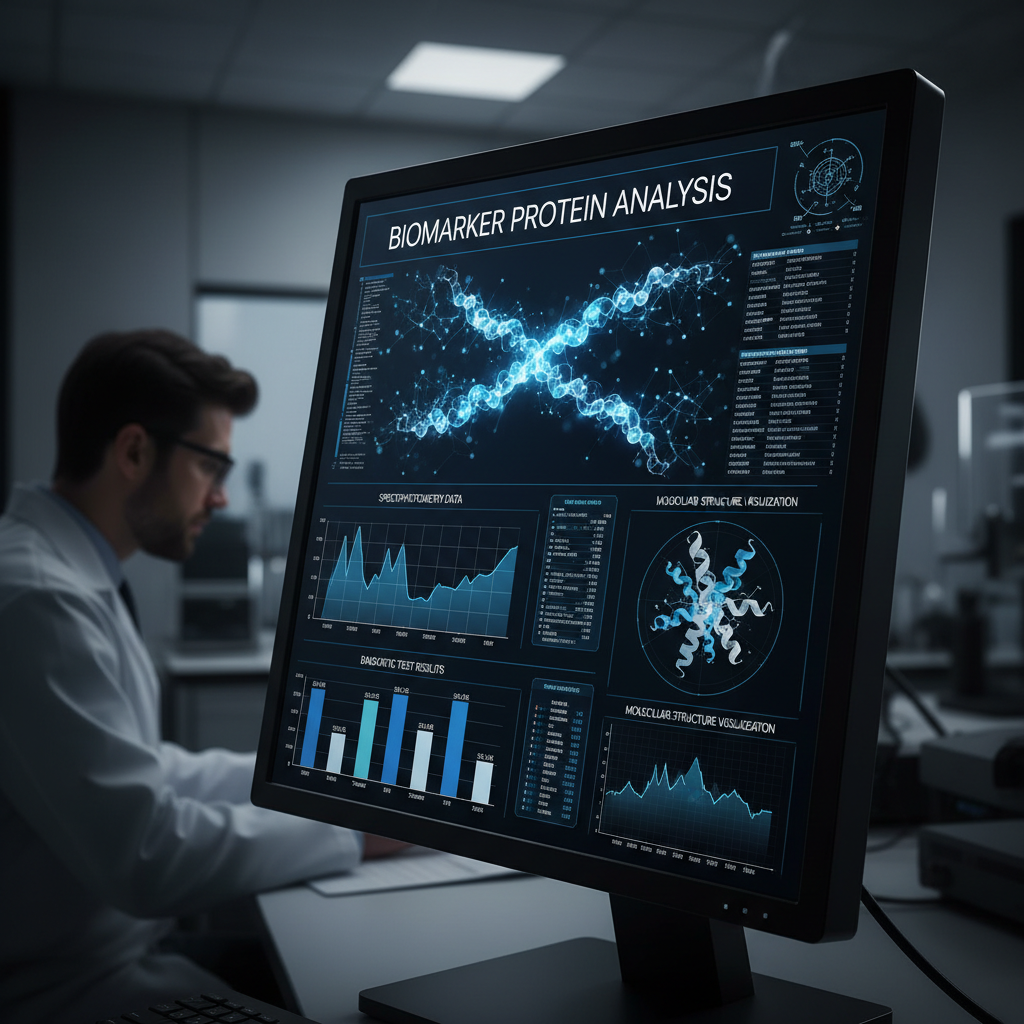
Types of Biomarkers
Cancer biomarkers can be categorized into several types, each serving a distinct purpose in patient care. Diagnostic biomarkers help in identifying the presence of cancer early, while prognostic biomarkers provide information on the likely course of the disease. Predictive biomarkers are valuable in determining how a patient will respond to specific treatments.
Additionally, pharmacodynamic biomarkers indicate the biological response of a patient to a treatment, helping to refine therapeutic strategies. It's essential for professionals to stay updated with the latest research to leverage these biomarkers effectively.
Integration into Clinical Practice
The integration of biomarkers into clinical practice requires a multidisciplinary approach. Collaboration between oncologists, pathologists, and laboratory technicians ensures that biomarker data is accurately interpreted and applied. This collaborative effort can lead to more personalized and effective treatment plans.

Challenges in Biomarker Utilization
Despite their potential, the use of biomarkers in cancer care is not without challenges. One major issue is the variability in biomarker expression among patients, which can complicate diagnosis and treatment. Additionally, the cost and accessibility of advanced testing can be prohibitive for some healthcare settings.
Another challenge is the rapid pace of research and development in this field. Professionals must continuously educate themselves to keep up with new findings and technologies, ensuring they provide the best care possible.
Future of Biomarker Research
The future of biomarker research in cancer care is promising. Emerging technologies like next-generation sequencing and artificial intelligence are paving the way for more precise and comprehensive biomarker analysis. These advancements hold the potential to uncover new biomarkers and improve the accuracy of existing ones.

Practical Steps for Professionals
Cancer care professionals can take several practical steps to effectively navigate the world of biomarkers:
- Engage in continuous education and training programs.
- Participate in interdisciplinary teams to enhance collaborative care.
- Advocate for policies that improve access to biomarker testing.
By staying informed and proactive, professionals can harness the full potential of biomarkers to improve patient outcomes and advance the field of oncology.