Latest Trends in Precision Oncology: What Healthcare Professionals Need to Know


Understanding Precision Oncology
Precision oncology represents a groundbreaking shift in cancer treatment, focusing on the customization of healthcare tailored to individual patients. By analyzing genetic, environmental, and lifestyle factors, clinicians can devise targeted treatments that improve outcomes and minimize side effects. This personalized approach is revolutionizing how oncologists manage and treat cancer.
As technology advances, precision oncology becomes more accessible and effective. Healthcare professionals need to stay informed about these developments to provide the best possible care. From understanding genetic mutations to utilizing advanced diagnostic tools, the landscape is continuously evolving.

Advancements in Genetic Profiling
Genetic profiling is at the heart of precision oncology. By identifying specific genetic mutations that drive cancer growth, doctors can select therapies that directly target these abnormalities. This strategy not only increases the effectiveness of treatment but also reduces unnecessary exposure to harsh chemicals.
Current trends show an increase in the use of genomic sequencing technologies, which are becoming more cost-effective and widely available. These advancements allow for a deeper understanding of tumor biology and pave the way for more precise interventions.
Integration of AI and Machine Learning
Artificial intelligence (AI) and machine learning are playing crucial roles in precision oncology. These technologies help in analyzing complex datasets, identifying patterns, and predicting treatment responses. AI-driven tools assist clinicians in making more informed decisions by providing insights that might not be immediately apparent through traditional methods.

Improved Diagnostic Tools
With the advent of new diagnostic tools, the accuracy of cancer detection and monitoring has significantly improved. Liquid biopsies, for instance, offer a less invasive method to monitor tumor dynamics and treatment efficacy. These tests can detect circulating tumor DNA in blood samples, providing real-time insights into cancer progression.
Such innovations are crucial for early detection and ongoing monitoring, allowing for timely adjustments in treatment plans. Staying updated on these diagnostic advancements is essential for healthcare professionals involved in cancer care.
Personalized Treatment Plans
One of the key benefits of precision oncology is the ability to create highly personalized treatment plans. By considering the patient's genetic makeup, lifestyle, and environmental factors, clinicians can devise strategies that are not only effective but also tailored to individual needs.
- Targeted therapies
- Immunotherapy
- Combination treatments
These customized plans often result in better patient outcomes and improved quality of life.
Collaboration and Multidisciplinary Approaches
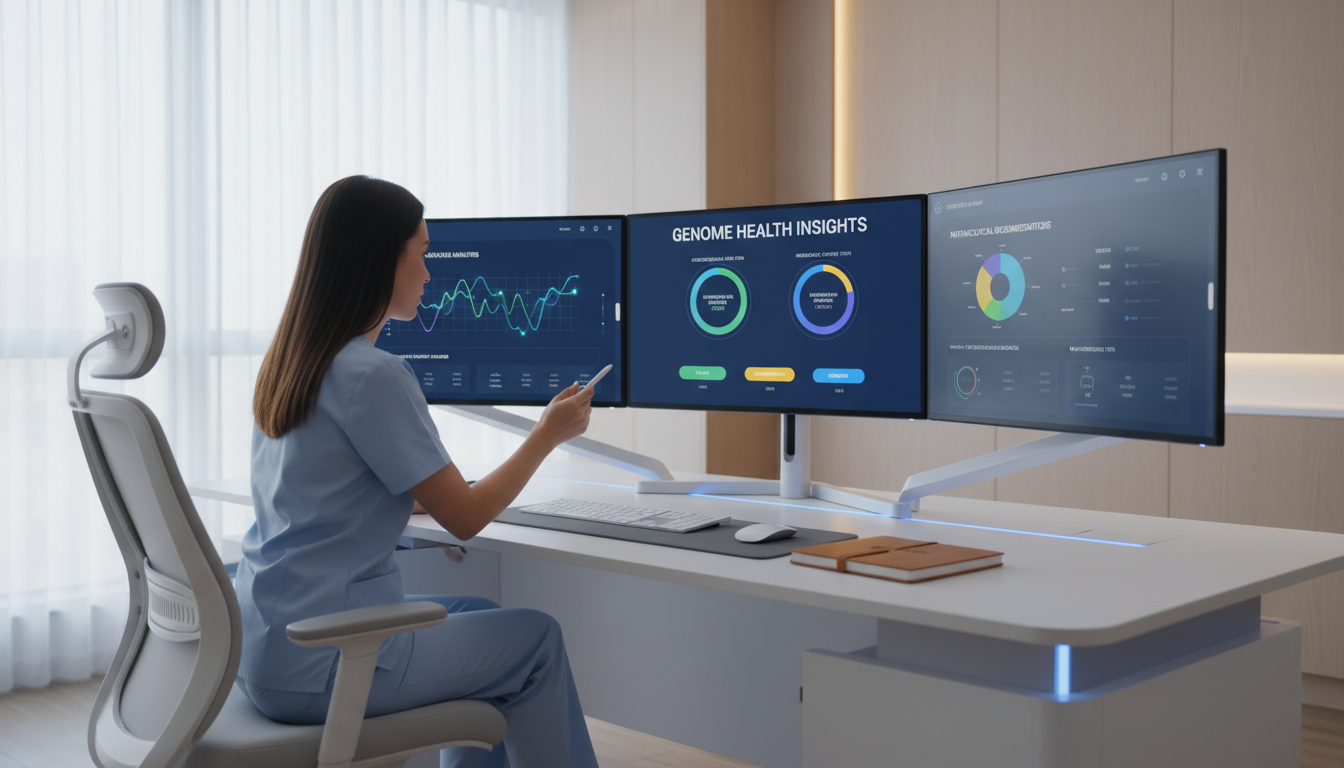
The complexity of precision oncology requires collaboration among various healthcare professionals. Oncologists, geneticists, pathologists, and bioinformaticians must work together to interpret data and design optimal treatment plans. This multidisciplinary approach ensures comprehensive care and maximizes the benefits of precision medicine.
As the field grows, fostering collaboration and encouraging open communication among different specialties will be crucial in driving further advancements and improving patient outcomes.
In conclusion, precision oncology is transforming the cancer treatment landscape. By embracing new technologies and fostering collaboration, healthcare professionals can harness the full potential of this field and offer patients more effective and personalized care.