Latest Trends in Precision Oncology: Innovations in Therapeutic Development


Understanding Precision Oncology
Precision oncology is transforming the landscape of cancer treatment by focusing on the genetic and molecular profile of each patient's tumor. This approach allows for more tailored and effective therapeutic interventions. Instead of adopting a one-size-fits-all strategy, precision oncology aims to provide treatments that are specific to individual genetic alterations.
As research progresses, the integration of genomics, bioinformatics, and advanced imaging has enhanced our ability to identify unique biomarkers. These biomarkers are crucial in determining the most effective course of treatment for patients, minimizing side effects, and improving overall outcomes.

Innovations in Therapeutic Development
Targeted Therapies
Targeted therapies have become a cornerstone of precision oncology. These treatments focus on specific molecular targets associated with cancer growth. By zeroing in on these targets, therapies can disrupt cancer cell proliferation while sparing healthy cells, thus reducing toxicity.
Recent advancements have led to the development of drugs that target specific mutations, such as those found in breast, lung, and colorectal cancers. These innovations have significantly improved response rates and patient survival.

Immunotherapy Advancements
Immunotherapy harnesses the power of the body's immune system to fight cancer. This approach has seen remarkable progress, with therapies such as checkpoint inhibitors and CAR-T cell therapy gaining prominence. These treatments have shown success in treating various cancers, including melanoma and lymphoma.
Researchers are continually exploring new ways to enhance the effectiveness of immunotherapy. Combination therapies, which involve using immunotherapy alongside other treatments, are being investigated to overcome resistance and improve patient outcomes.

Biomarker-Driven Research
The identification and validation of biomarkers are crucial for the advancement of precision oncology. Biomarkers can predict how a patient will respond to a particular therapy, enabling more personalized treatment plans. Ongoing research is focused on discovering novel biomarkers to expand the range of treatable cancers.
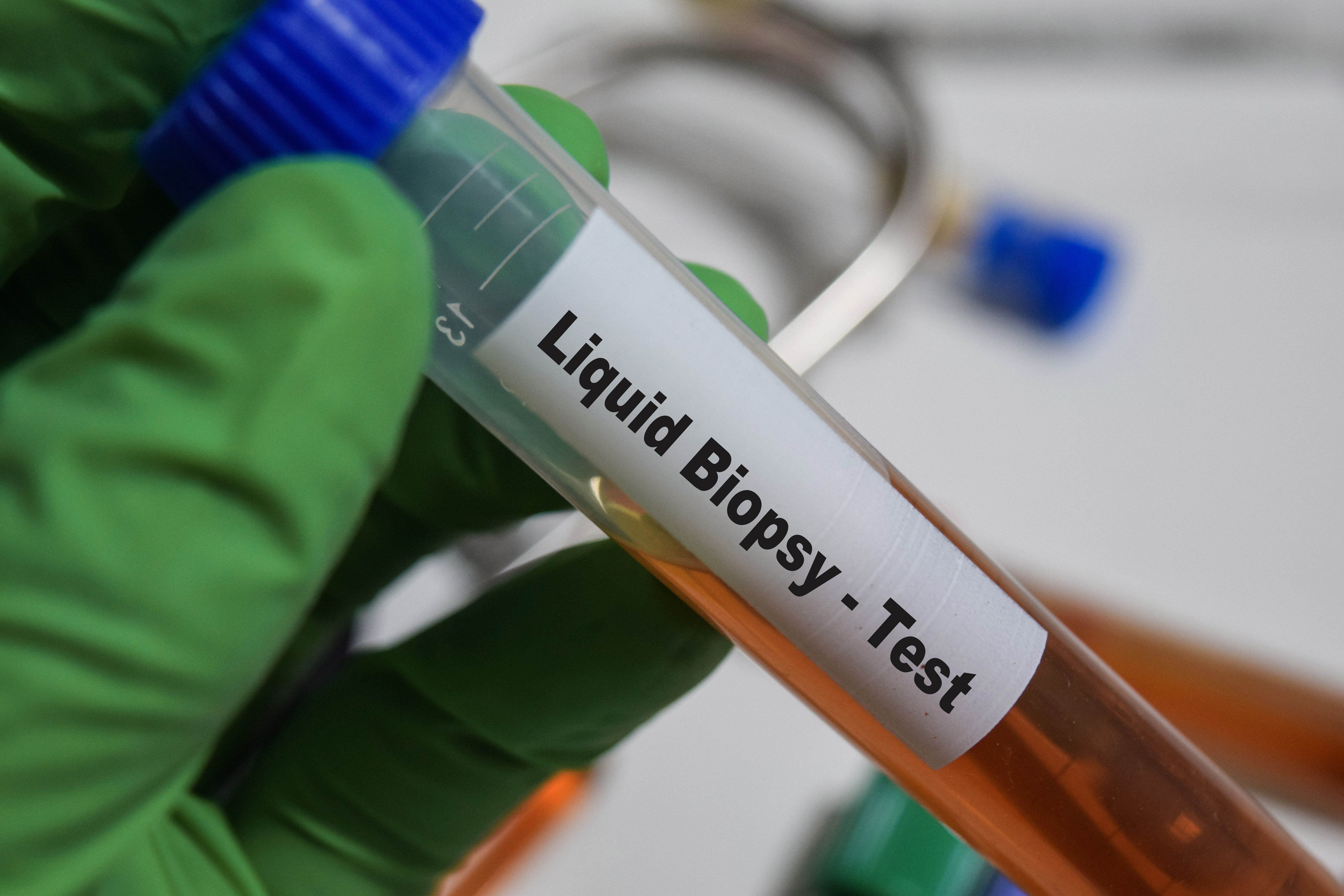
Liquid biopsies, which analyze circulating tumor DNA in the blood, are emerging as a non-invasive method to monitor tumor dynamics and assess treatment efficacy. This innovation offers the potential for early detection and real-time monitoring of cancer progression.
Challenges and Future Directions
Despite the promising advancements, precision oncology faces challenges, including high costs, accessibility, and the complexity of tumor biology. Efforts are underway to make these cutting-edge treatments more affordable and widely available to patients worldwide.
Looking ahead, the integration of artificial intelligence and machine learning in precision oncology holds the promise of accelerating drug discovery and optimizing treatment regimens. These technologies can analyze vast datasets to uncover patterns and insights that may have been previously overlooked.
The future of precision oncology is bright, with ongoing research and innovation paving the way for more personalized and effective cancer treatments. As we continue to unlock the mysteries of cancer, precision oncology remains at the forefront of therapeutic development, offering hope to millions of patients globally.