Integrating Genomics and Clinical Trial Data for Better Patient Outcomes


In recent years, the integration of genomics and clinical trial data has emerged as a powerful strategy for improving patient outcomes. By combining genetic insights with traditional clinical data, researchers and healthcare providers can develop more personalized and effective treatment plans. This approach not only enhances the precision of medical interventions but also accelerates the discovery of new therapeutic options.
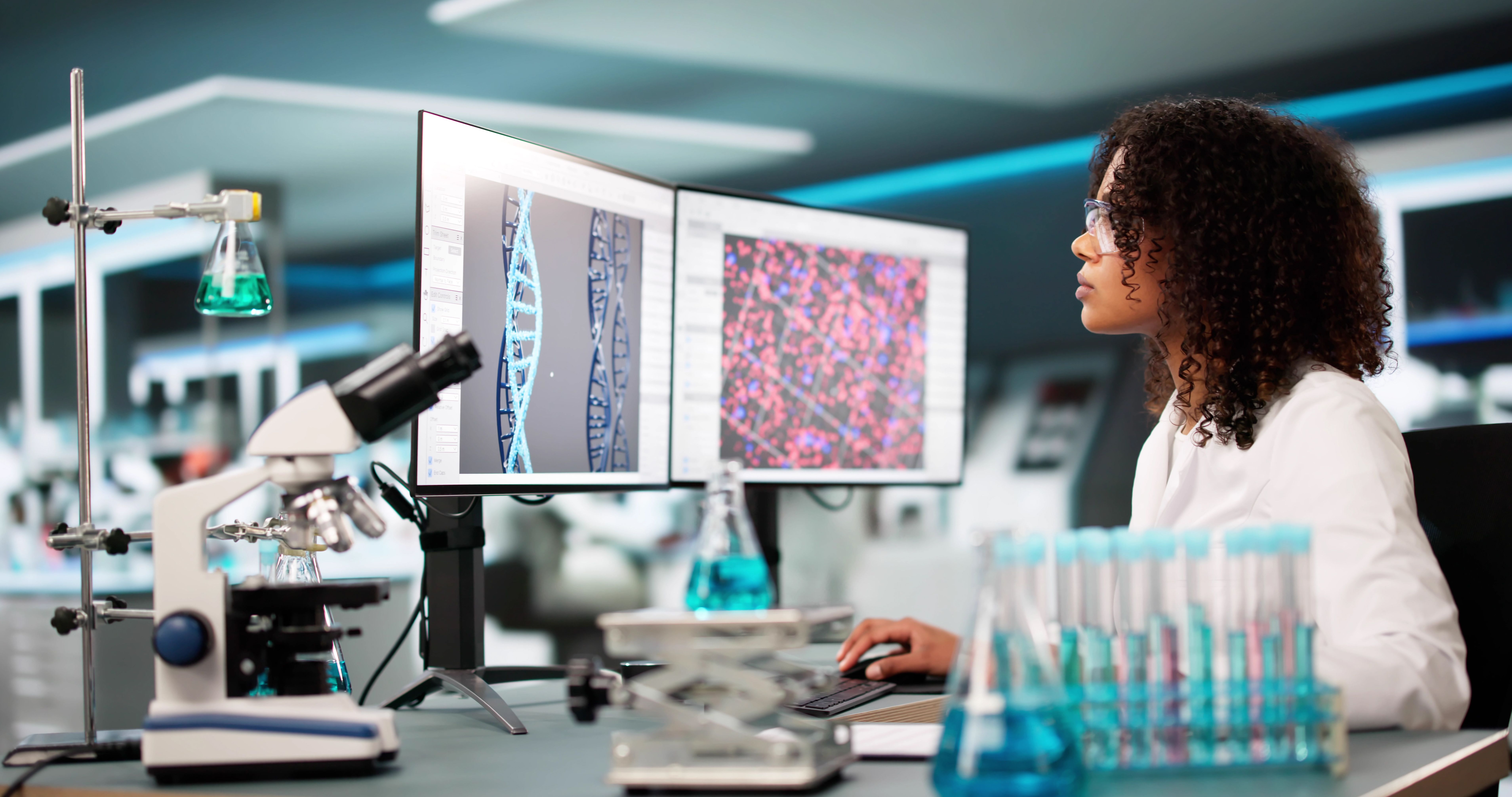
The Role of Genomics in Modern Medicine
Genomics, the study of an organism's complete set of DNA, provides invaluable insights into the genetic factors that contribute to health and disease. By analyzing genomic data, scientists can identify genetic variations that may influence a patient's response to specific treatments. This allows for the customization of therapies to better suit individual patient needs, thus improving efficacy and minimizing adverse effects.
Moreover, genomics plays a crucial role in identifying biomarkers that can predict disease progression and treatment response. These biomarkers enable early diagnosis and targeted intervention, ultimately leading to better health outcomes.
Enhancing Clinical Trials with Genomic Data
Integrating genomic data into clinical trials enhances the ability to select appropriate participants, design more effective trials, and interpret results with greater accuracy. By understanding the genetic makeup of trial participants, researchers can stratify patients based on their likelihood of responding to a treatment, ensuring that clinical trials are both efficient and effective.

This integration can also help identify potential safety issues earlier in the drug development process. By recognizing genetic predispositions to adverse reactions, researchers can mitigate risks and enhance the overall safety profile of new therapies.
Challenges and Solutions in Data Integration
Despite its potential, integrating genomics and clinical trial data presents several challenges. These include data privacy concerns, the complexity of data analysis, and the need for standardized data formats. However, technological advancements are paving the way for solutions.
For instance, secure data-sharing platforms and robust encryption methods are being developed to protect patient privacy while facilitating the exchange of genomic information. Additionally, advanced bioinformatics tools are making it easier to analyze complex datasets and extract meaningful insights.

Future Directions and Implications
The integration of genomics and clinical trial data is poised to transform healthcare by enabling more personalized and precise medical interventions. As technology continues to evolve, we can expect further breakthroughs in our understanding of genetic factors and their influence on health.
Looking ahead, collaboration between genomic researchers, clinicians, and technology experts will be essential to fully realize the potential of this integration. By working together, these stakeholders can drive innovation and improve patient outcomes on a global scale.
Ultimately, the integration of genomics and clinical trial data represents a significant step forward in the journey toward personalized medicine. By harnessing the power of genetic insights, we can pave the way for a future where healthcare is tailored to the unique needs of each individual.