Integrating Clinical Trial Data for Improved Cancer Treatment Outcomes


In the world of oncology, the integration of clinical trial data has become a cornerstone for advancing cancer treatments. By leveraging comprehensive datasets, researchers and healthcare providers are able to tailor treatments more effectively, ultimately improving patient outcomes.
Clinical trials generate a wealth of data, ranging from patient demographics to treatment responses. However, the sheer volume of this information can make it challenging to extract actionable insights. Integrating this data allows for a more nuanced understanding of how different treatments affect diverse patient populations.

The Importance of Data Integration
Data integration in clinical trials involves the synthesis of information from multiple sources to create a cohesive dataset. This process is crucial for identifying patterns and correlations that may not be apparent when data is examined in isolation.
By integrating data, researchers can more accurately predict treatment outcomes, identify potential side effects, and customize therapies. This leads to more efficient clinical trials and, ultimately, better treatment protocols for patients.
Challenges in Data Integration
Despite its benefits, data integration in clinical trials is not without challenges. One of the primary obstacles is the standardization of data formats. Different trials may collect data in varied formats, making it difficult to merge datasets seamlessly.
Additionally, privacy concerns must be addressed. Ensuring that patient information is anonymized and secure is paramount. Overcoming these challenges requires collaboration between researchers, data scientists, and IT professionals.
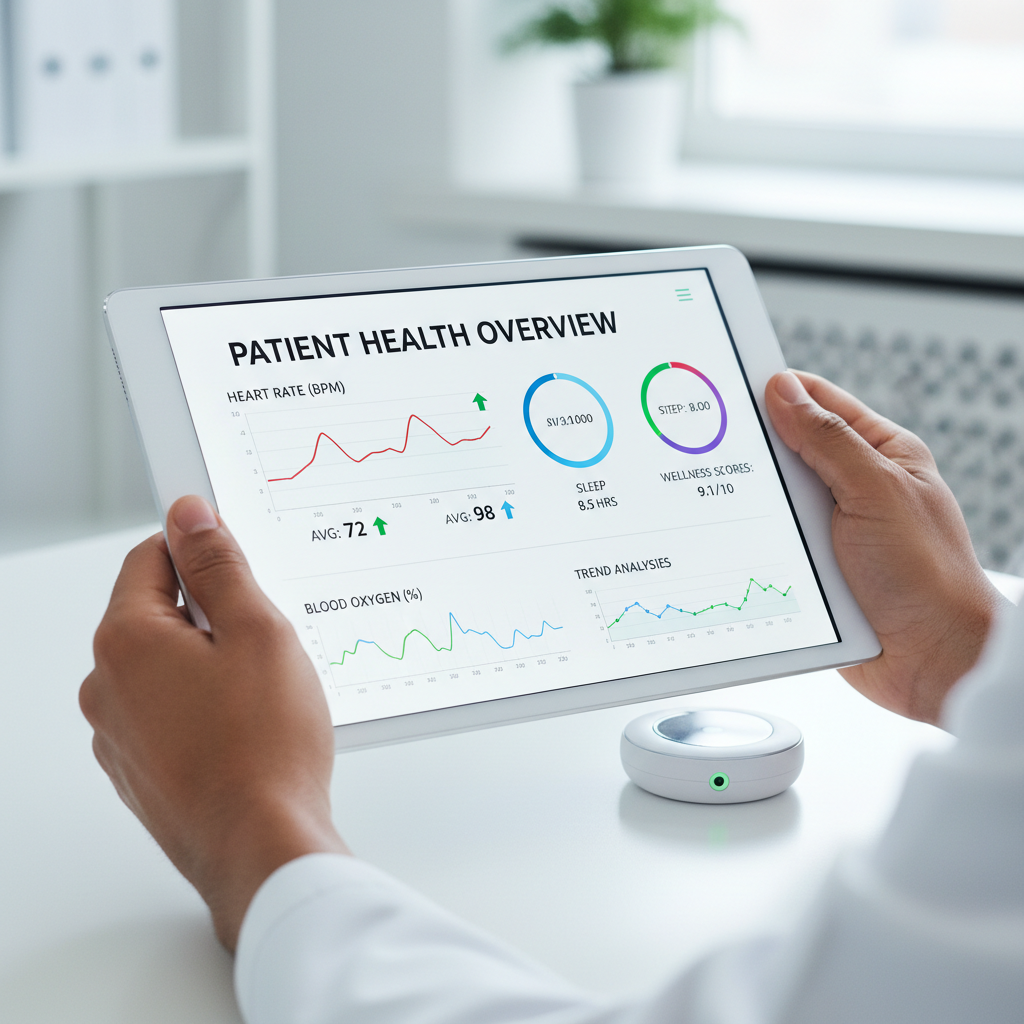
Technological Advances in Data Integration
Recent technological advances have greatly facilitated the integration of clinical trial data. Machine learning algorithms and artificial intelligence tools are increasingly being used to analyze complex datasets, uncovering insights that were previously inaccessible.
These technologies enable the automation of data standardization and integration processes, reducing the time and resources required to synthesize information. As a result, researchers can focus more on interpreting data and developing innovative treatments.
Impact on Cancer Treatment
The integration of clinical trial data has a profound impact on cancer treatment. By understanding the intricate details of how different cancers react to various therapies, healthcare providers can offer more personalized treatment plans.
- Improved prediction of treatment efficacy
- Enhanced ability to identify suitable patient cohorts
- Reduction in trial costs and duration

Future Directions
As data integration technologies continue to evolve, the potential for improving cancer treatment outcomes grows exponentially. The future holds the promise of even more sophisticated data analytics tools, capable of providing deeper insights into cancer biology.
Collaboration across medical institutions and research bodies will be essential in maximizing the benefits of integrated data. By sharing data and insights, the global medical community can work towards more effective cancer treatments and ultimately, a cure.