How Precision Oncology Platforms Enhance Patient Outcomes


Understanding Precision Oncology
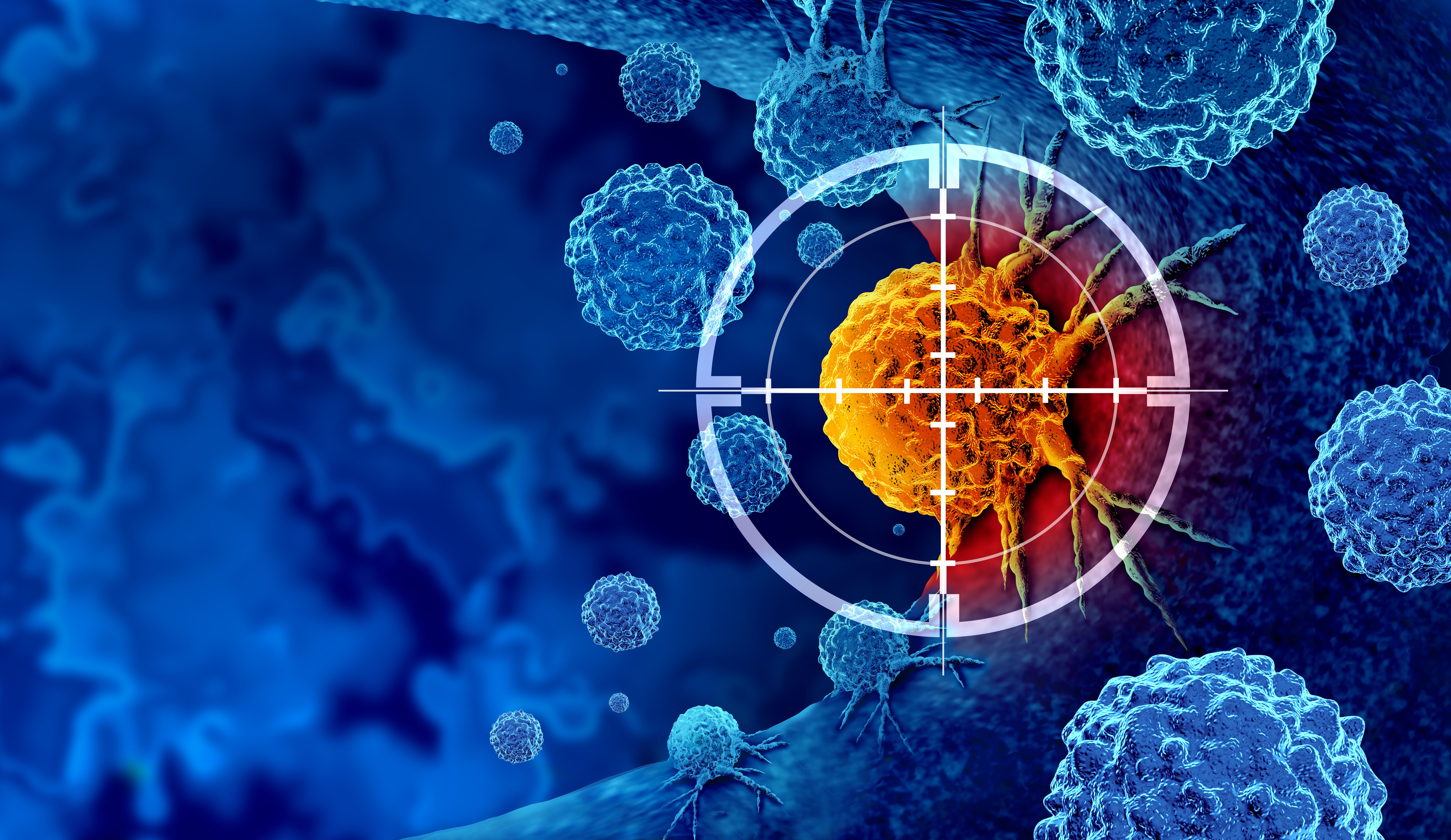
Precision oncology is transforming cancer treatment by tailoring therapies to the unique genetic makeup of each patient’s tumor. This approach moves away from the traditional one-size-fits-all methodology, instead building customized strategies that target specific mutations and biomarkers. This personalized treatment becomes instrumental in maximizing efficacy and minimizing adverse effects.
With advancements in genomic sequencing and data analytics, oncologists can now identify the precise genetic alterations driving a patient's cancer. This information is vital for selecting targeted therapies that directly attack the cancer cells, leaving healthy cells largely unaffected.
The Role of Genomic Sequencing
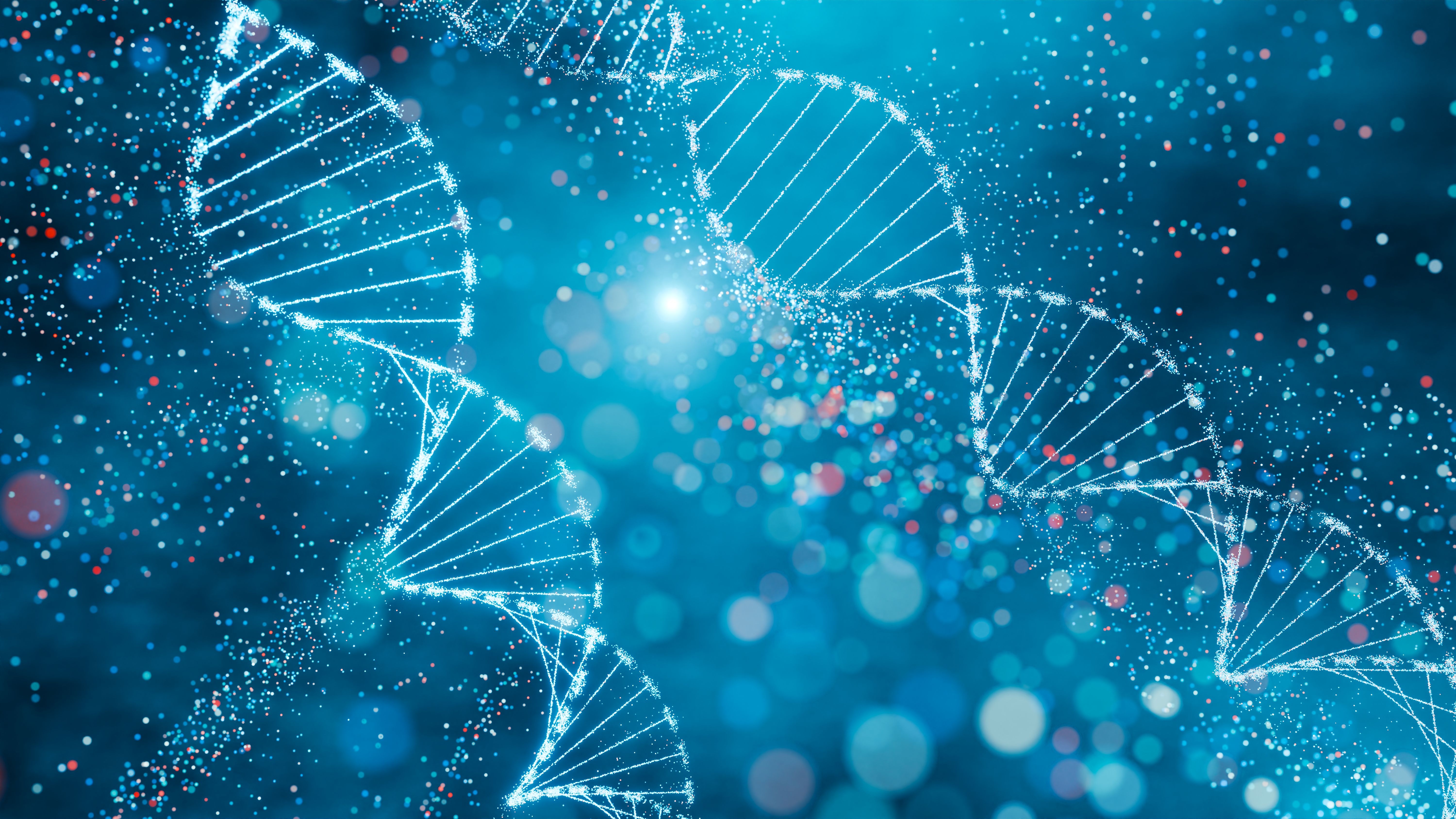
Genomic sequencing forms the backbone of precision oncology. By analyzing DNA from cancer cells, doctors can pinpoint mutations that may be responsible for tumor growth. This process allows for a more comprehensive understanding of the cancer's behavior and potential vulnerabilities.
Through tools like next-generation sequencing, a detailed genetic profile of a tumor can be constructed. This profile serves as a guide for clinicians to devise personalized treatment plans that are more likely to succeed compared to conventional treatments.
Advantages of Targeted Therapies
Targeted therapies are a key component of precision oncology platforms. By focusing on specific molecular targets associated with cancer, these therapies can effectively inhibit cancer progression. The advantages include:
- Increased Efficacy: Targeted therapies often have higher success rates because they are designed specifically to interact with known mutations.
- Reduced Side Effects: As they spare healthy cells, patients experience fewer and less severe side effects compared to traditional chemotherapy.
- Improved Quality of Life: Patients can maintain a better quality of life during treatment due to fewer side effects.
Integration of Data Analytics
Data analytics plays a crucial role in enhancing the capabilities of precision oncology platforms. By leveraging big data, clinicians can draw from vast repositories of genetic information and clinical outcomes to make informed decisions. This integration helps in identifying patterns and predicting responses to various treatments.
Machine learning algorithms are increasingly being used to interpret complex genomic data, providing insights that were previously unattainable. These technologies enable continuous learning and adaptation, ensuring treatment plans remain cutting-edge.

Challenges and Future Directions
Despite its promise, precision oncology faces several challenges. These include the high cost of genomic testing, the need for extensive clinical validation, and ensuring equitable access to these advanced treatments. Addressing these challenges requires collaboration between researchers, healthcare providers, and policymakers.
The future of precision oncology is bright, with ongoing research aimed at further refining and expanding its applications. Innovations in technology and a deeper understanding of cancer biology are expected to drive the field forward, ultimately leading to better patient outcomes.

Conclusion
Precision oncology platforms represent a significant leap forward in cancer treatment. By focusing on the genetic underpinnings of each patient's tumor, these platforms offer a more targeted and effective approach to therapy. As technology advances and our understanding of cancer deepens, precision oncology will continue to enhance patient outcomes, offering hope to millions affected by the disease worldwide.