How Precision Oncology Platforms Are Revolutionizing Cancer Treatment


Introduction to Precision Oncology
In recent years, the field of oncology has witnessed a paradigm shift with the advent of precision oncology platforms. These innovative systems are transforming cancer treatment by tailoring therapies to the genetic makeup of individual tumors. By focusing on the specific molecular characteristics of cancer, precision oncology offers a more personalized approach to treatment, leading to improved outcomes for patients.
The traditional approach to cancer treatment often involves a one-size-fits-all strategy, which may not be effective for every patient. Precision oncology addresses this limitation by leveraging genomic information to design targeted therapies. This approach not only enhances the efficacy of treatments but also minimizes side effects, offering a better quality of life for patients.
The Role of Genomic Profiling
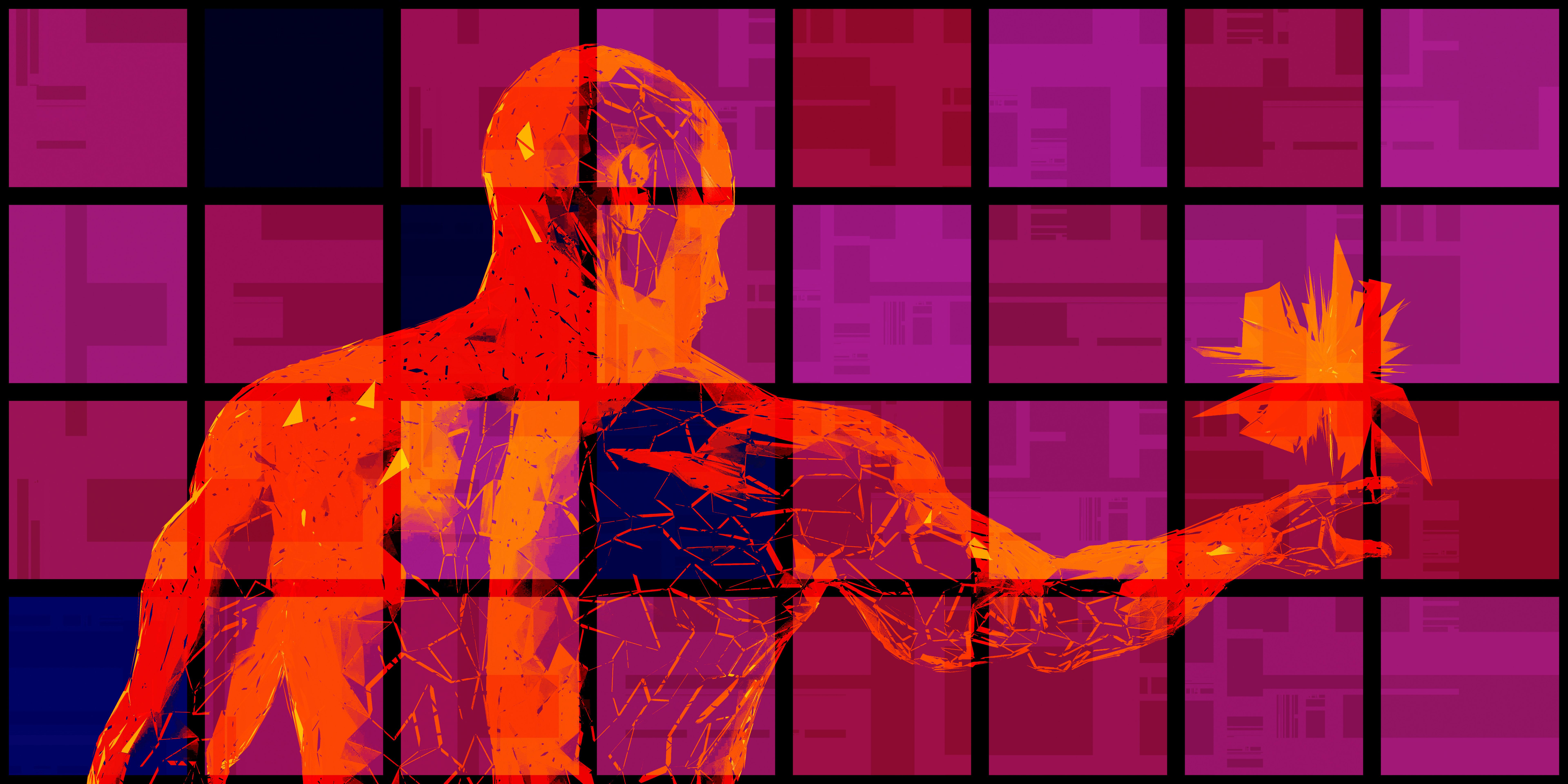
Genomic profiling stands at the core of precision oncology platforms. By analyzing the genetic alterations in cancer cells, clinicians can identify specific mutations that drive tumor growth. This information is crucial for selecting targeted therapies that inhibit these mutations, offering a more effective treatment plan.
For instance, genomic profiling can reveal mutations in genes like EGFR or BRCA, which are known to respond to certain targeted drugs. By understanding the genetic landscape of a tumor, doctors can match patients with therapies that are most likely to be successful, thus optimizing treatment outcomes.
Technological Advancements
Advancements in sequencing technologies have made genomic profiling more accessible and affordable. These technologies enable rapid and comprehensive analysis of tumor DNA, providing crucial insights into cancer biology. As sequencing costs continue to decrease, more patients can benefit from precision oncology, making it a promising approach for widespread adoption.

Targeted Therapies: A New Frontier
Targeted therapies are designed to interfere with specific molecules involved in cancer cell growth and survival. Unlike traditional chemotherapy, which can affect healthy cells as well, targeted therapies aim to attack cancer cells with high precision. This selective approach reduces the risk of adverse effects and improves patient outcomes.
Some targeted therapies work by blocking signals that promote tumor growth, while others stimulate the immune system to recognize and destroy cancer cells. The development of these therapies has been a game-changer in oncology, offering hope to patients with cancers that were previously difficult to treat.
Combination Therapies
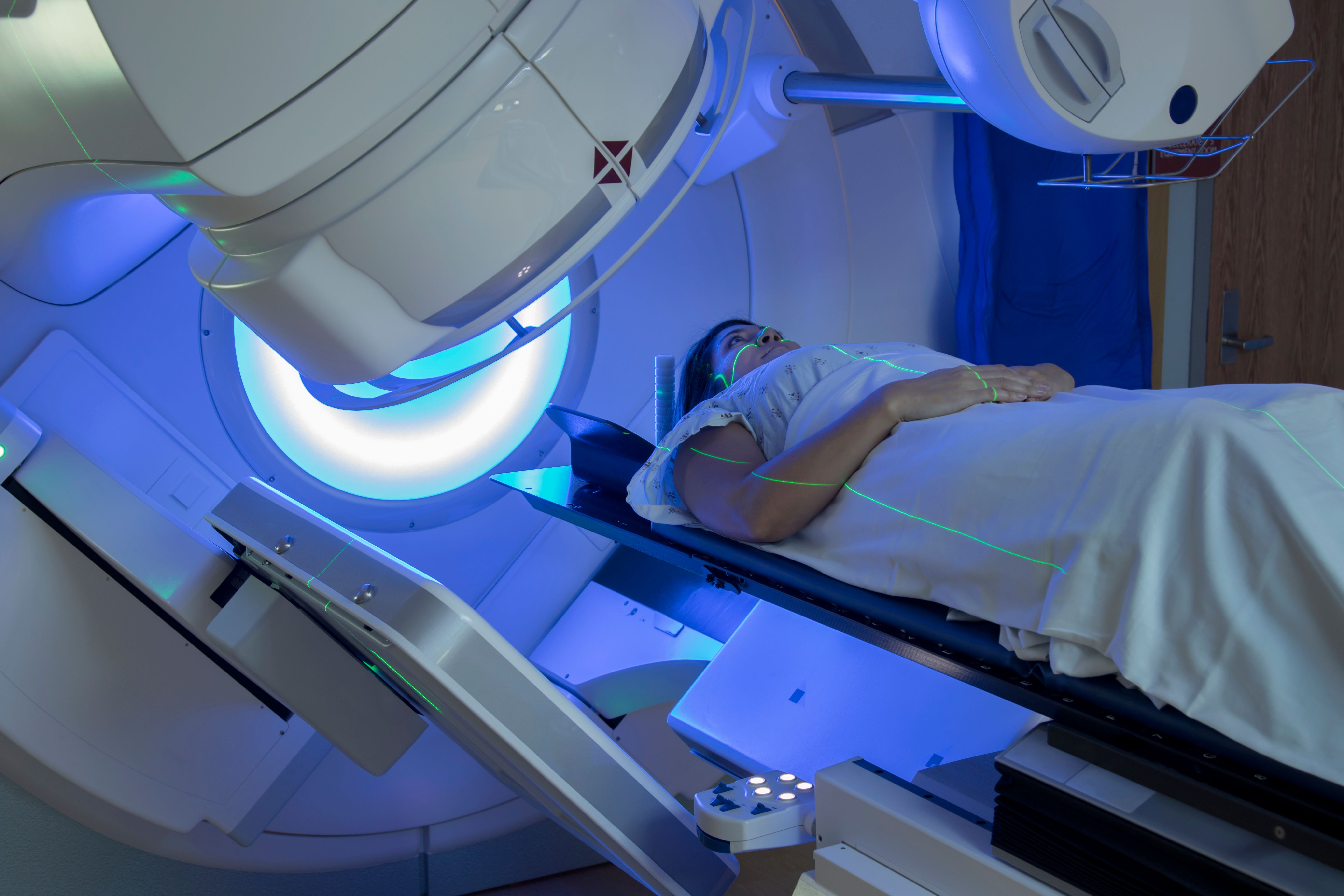
Combining targeted therapies with other treatment modalities, such as immunotherapy or radiation, can enhance their effectiveness. Precision oncology platforms play a crucial role in identifying optimal combinations based on the genetic profile of the cancer. This integrated approach maximizes therapeutic potential while minimizing resistance.
Challenges and Future Prospects
While precision oncology holds great promise, several challenges remain. One significant hurdle is the complexity of cancer biology, as tumors often evolve and develop resistance to therapies. Continuous research and innovation are essential to overcome these challenges and refine precision oncology strategies.
Moreover, integrating precision oncology into clinical practice requires collaboration across various disciplines, including genetics, bioinformatics, and clinical research. By fostering partnerships and investing in education, healthcare systems can ensure that precision oncology becomes an integral part of cancer care.
The Path Forward
The future of cancer treatment is undoubtedly intertwined with precision oncology platforms. As research continues to unravel the complexities of cancer genomics, new opportunities for targeted therapies will emerge. By embracing these advancements, the medical community can offer patients more effective and personalized treatment options, ultimately improving survival rates and quality of life.