How Precision Oncology is Transforming Advanced Cancer Care


Understanding Precision Oncology
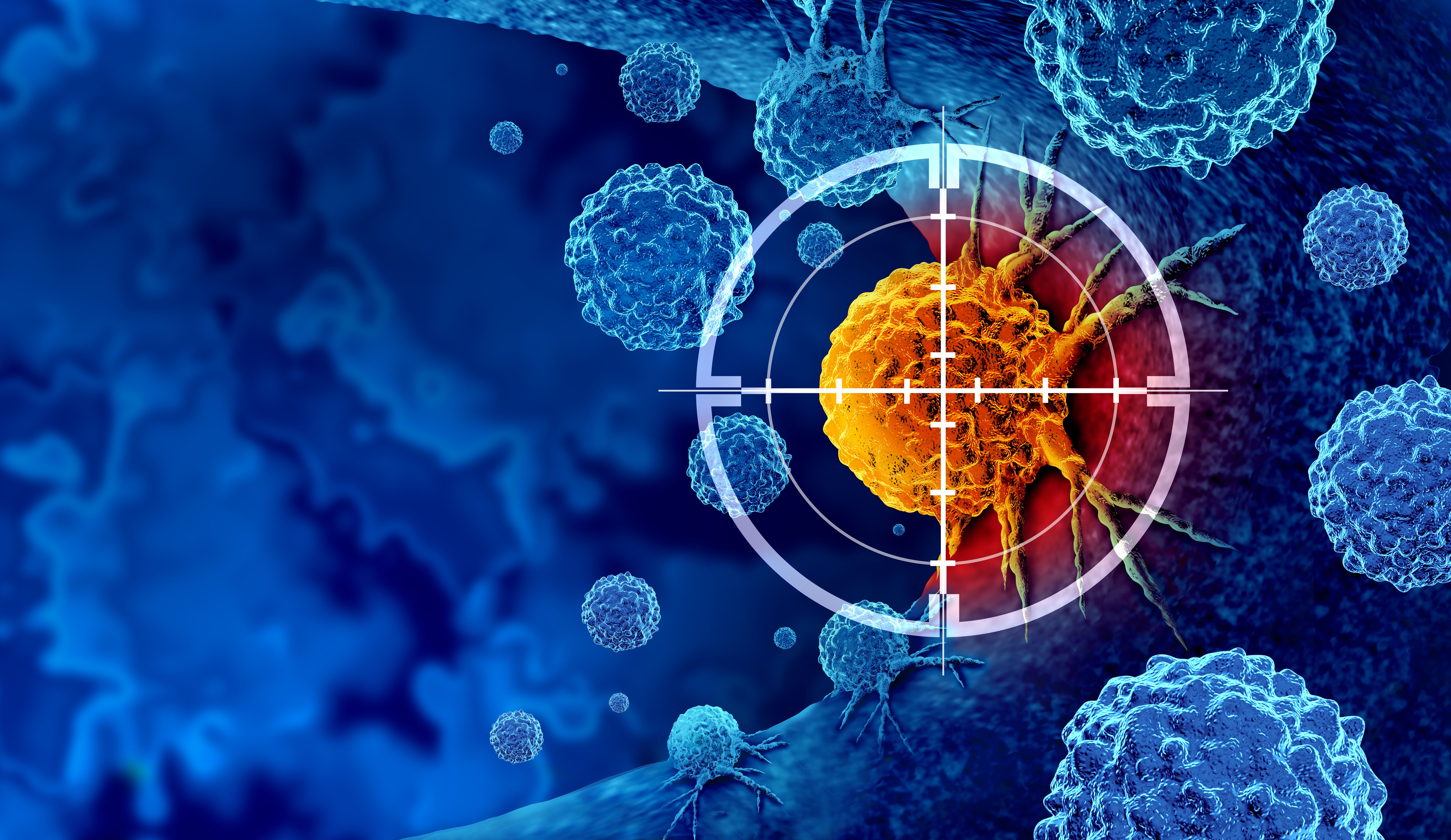
Precision oncology is an innovative approach to cancer treatment that personalizes medical care based on the genetic makeup of an individual's tumor. This method enables healthcare professionals to tailor therapies specifically designed to target cancer cells, leading to more effective and efficient treatments.
By focusing on genetic mutations and biomarkers, precision oncology allows for a deeper understanding of cancer progression, offering new hope for patients with advanced stages of the disease.
The Role of Genomic Sequencing
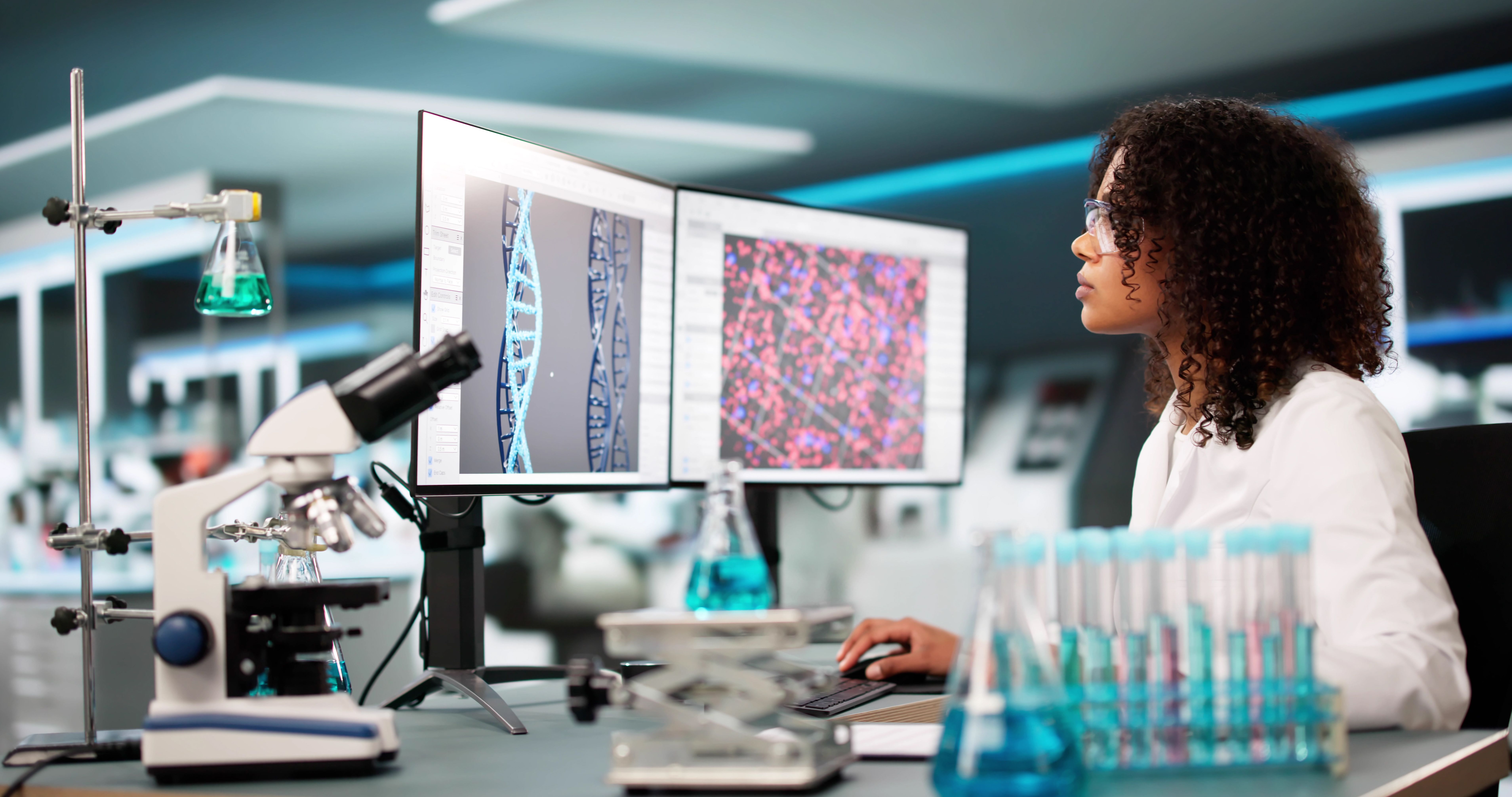
Genomic sequencing forms the backbone of precision oncology. By analyzing a tumor's DNA, doctors can identify specific mutations that drive cancer growth. This information is crucial in selecting targeted therapies that are more likely to be effective for the patient.
Genomic sequencing not only aids in treatment decisions but also helps in predicting how the cancer might respond to certain drugs, minimizing the trial-and-error approach traditionally used in oncology.
Targeted Therapies
Targeted therapies are designed to attack cancer cells without harming normal cells, reducing side effects and improving quality of life. These therapies work by interfering with specific molecules involved in tumor growth and progression.
Examples of targeted therapies include hormone therapies, signal transduction inhibitors, and apoptosis-inducing drugs. These treatments have revolutionized the way advanced cancers are managed, offering a more precise and personalized approach.
Immunotherapy and Precision Oncology
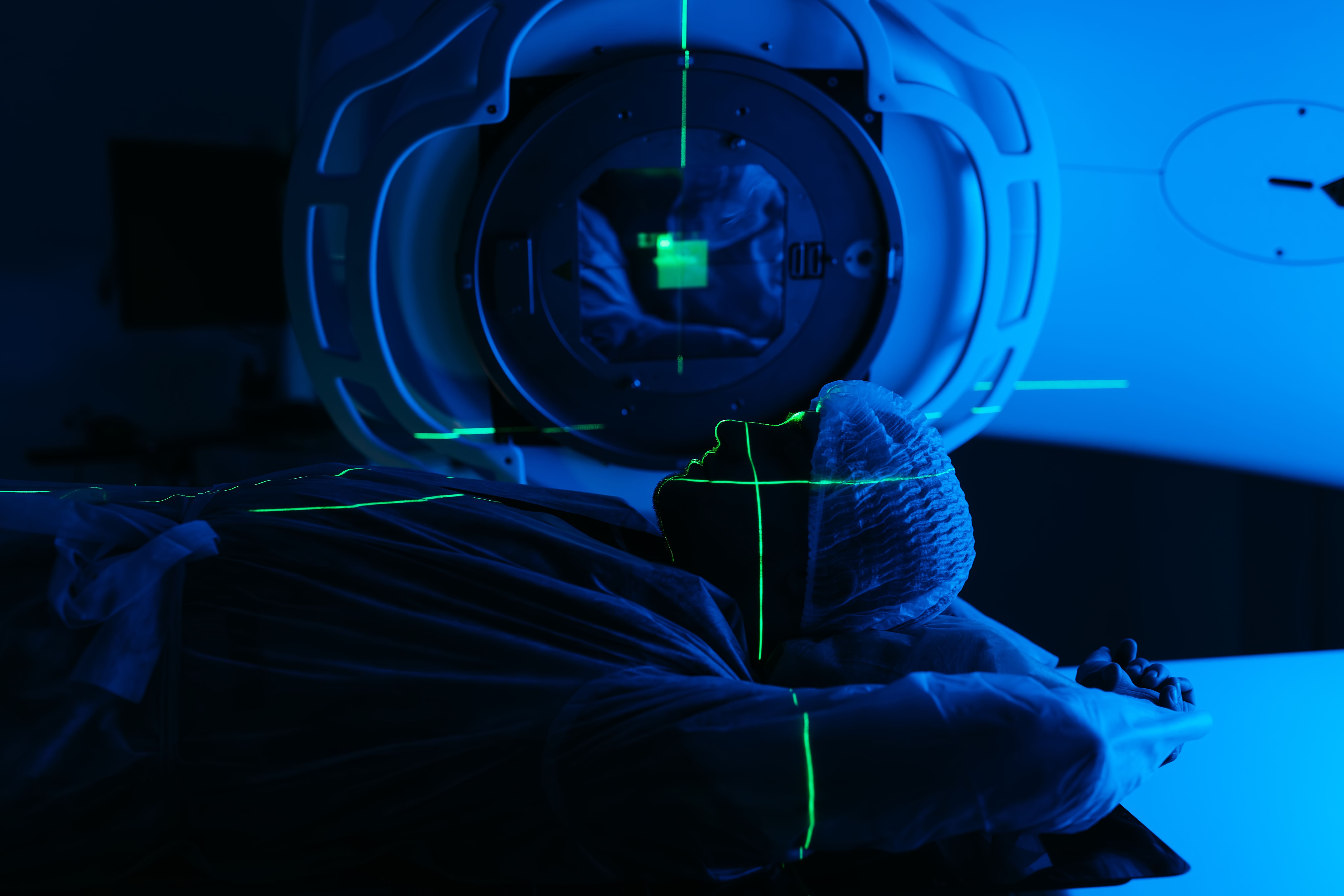
Immunotherapy, a form of cancer treatment that boosts the body's natural defenses to fight cancer, is also enhanced by precision oncology. By identifying biomarkers that predict response to immunotherapy, doctors can better select patients who will benefit from these innovative treatments.
This synergy between immunotherapy and precision medicine has led to significant breakthroughs in treating various cancers, including melanoma and lung cancer.
Challenges and Considerations
While precision oncology offers great promise, it is not without challenges. The complexity of genetic data and the high cost of genomic testing can be barriers to widespread adoption. Additionally, not all cancers have identifiable mutations that can be targeted with existing therapies.
Despite these challenges, ongoing research and technological advancements continue to expand the possibilities of precision oncology, making it an integral part of future cancer care.
The Future of Cancer Treatment
The future of cancer treatment lies in the continued integration of precision oncology into clinical practice. As more is understood about the genetic underpinnings of cancer, treatment options will become increasingly individualized, leading to better outcomes.
Furthermore, advancements in technology and reductions in the cost of genetic testing are expected to make precision oncology accessible to a broader population, transforming it from a cutting-edge approach to a standard of care.
Conclusion
Precision oncology is transforming the landscape of advanced cancer care, offering new hope and improved outcomes for patients. By leveraging genetic information, healthcare providers can develop tailored treatment plans that address the unique characteristics of each patient's cancer.
As research continues to evolve, precision oncology promises to redefine cancer treatment, making it more effective and personalized than ever before.