How Precision Oncology is Revolutionizing Cancer Treatment


Understanding Precision Oncology
Precision oncology is at the forefront of medical innovation, offering a personalized approach to cancer treatment. Unlike traditional methods that apply a one-size-fits-all strategy, precision oncology tailors treatment plans based on an individual's genetic makeup, lifestyle, and specific tumor characteristics. This approach aims to improve treatment efficacy and minimize side effects, providing a more targeted and effective cancer care.
With advancements in genetic sequencing and data analysis, doctors can now pinpoint the genetic mutations driving a patient's cancer. This information allows for the design of customized treatment regimens that specifically target these mutations, potentially improving patient outcomes.

The Role of Genetic Profiling
Genetic profiling plays a critical role in precision oncology by identifying specific genetic alterations in cancer cells. Through comprehensive genetic testing, oncologists can determine which therapies will be most effective for a particular patient. This process involves analyzing a patient's DNA to detect mutations that may be driving cancer growth.
By understanding the genetic landscape of a tumor, doctors can prescribe treatments that inhibit the activity of mutated genes or proteins. This targeted approach not only enhances the effectiveness of treatments but also reduces the likelihood of unnecessary side effects associated with conventional therapies.
Innovative Treatment Options
Precision oncology has led to the development of several innovative treatment options that are changing the landscape of cancer care. Among these are targeted therapies and immunotherapies, which have shown promising results in various cancer types.
Targeted therapies work by interfering with specific molecules involved in the growth and spread of cancer cells. These therapies offer a more focused approach than traditional chemotherapy, which affects both healthy and cancerous cells. Immunotherapies, on the other hand, leverage the body's immune system to recognize and attack cancer cells, offering a powerful new weapon in the fight against cancer.
The Impact on Patient Outcomes
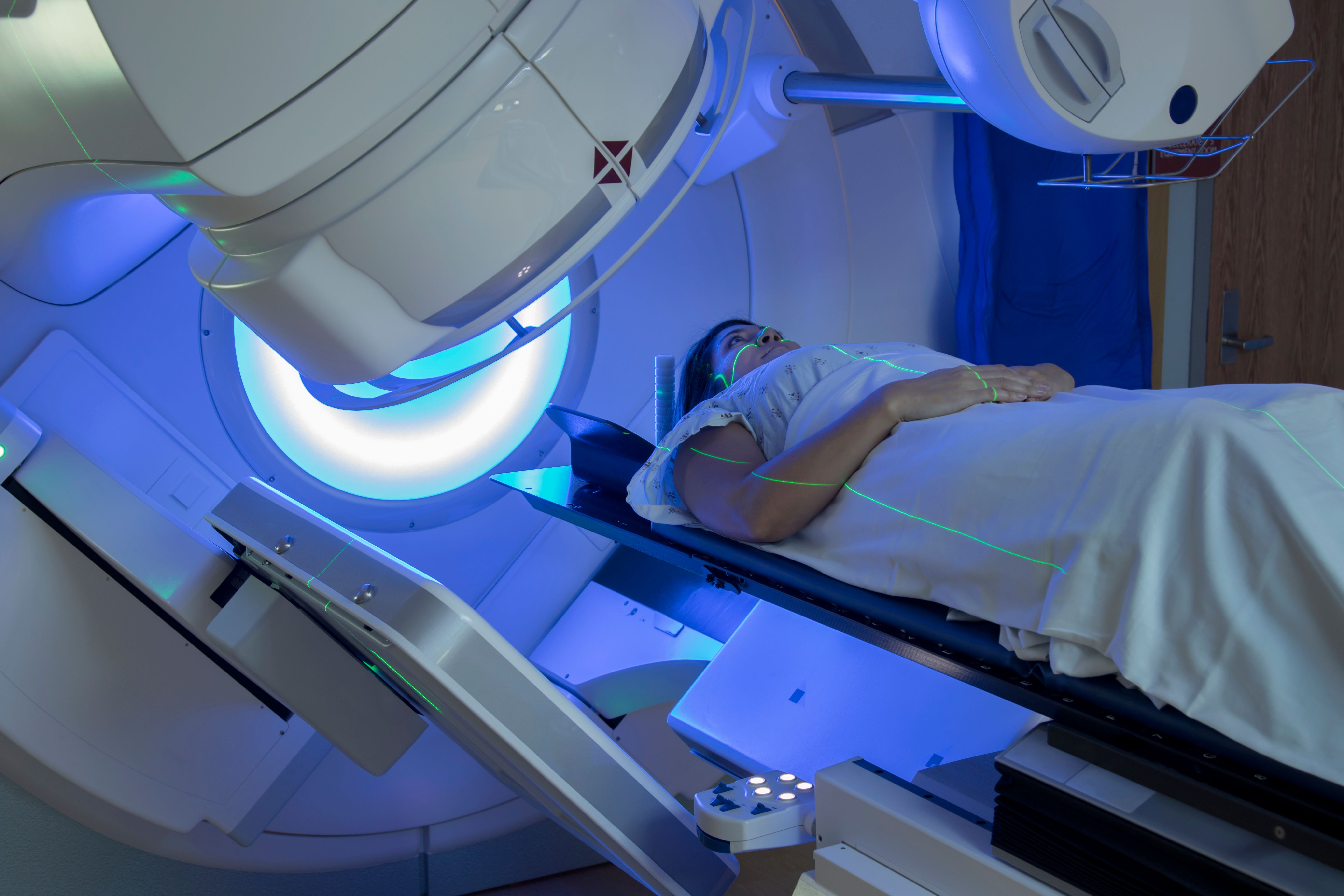
The rise of precision oncology has significantly impacted patient outcomes, offering new hope to those diagnosed with cancer. By tailoring treatments to the unique genetic makeup of each patient, precision oncology has improved survival rates and quality of life for many individuals.
Patients receiving personalized treatment plans often experience fewer side effects and better overall health outcomes. This personalized approach ensures that patients receive the most effective therapies while avoiding unnecessary or ineffective treatments.
Challenges and Future Directions
Despite its promise, precision oncology faces several challenges that must be addressed to realize its full potential. One major hurdle is the high cost associated with genetic testing and targeted therapies, which can limit access for some patients.
Additionally, the complexity of cancer genetics means that not all mutations can currently be targeted with existing therapies. Continued research and development are essential to expand the range of available treatments and make precision oncology accessible to all patients.

The Promise of Precision Oncology
As research continues to advance, precision oncology holds the promise of transforming cancer treatment for future generations. Ongoing studies aim to identify new genetic targets and develop novel therapies that can address a wider array of cancers.
The integration of big data analytics and artificial intelligence in medical research is also expected to enhance the capabilities of precision oncology, offering more accurate predictions and treatment recommendations. As these technologies evolve, they will undoubtedly play a crucial role in shaping the future of cancer care.