How Healthcare Data Integration Solutions Are Transforming Cancer Treatment


The Revolution of Healthcare Data Integration
In the realm of cancer treatment, healthcare data integration solutions are paving the way for groundbreaking advancements. By merging disparate data sources, these solutions provide a comprehensive view of a patient's medical history, enabling healthcare professionals to make more informed decisions.
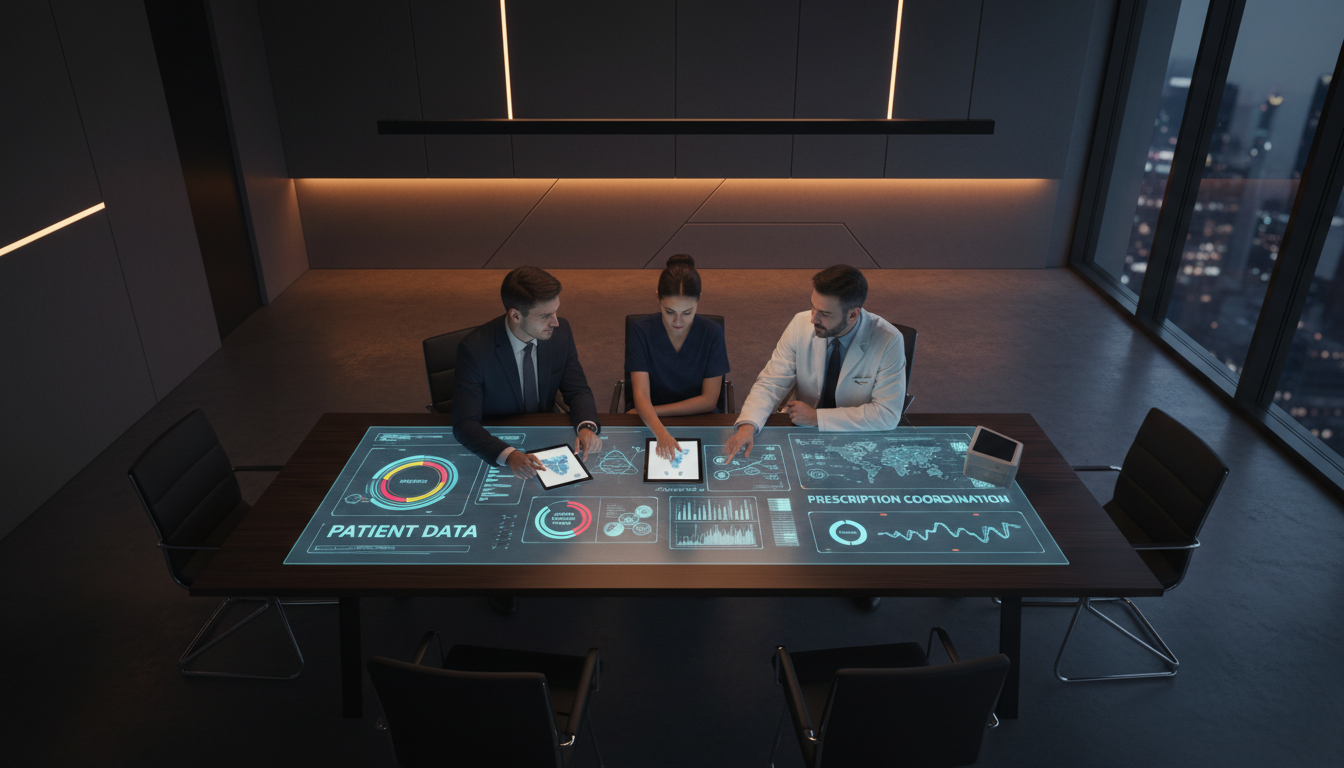
With the ability to access real-time data, doctors can tailor treatment plans to each patient's unique needs. This personalized approach not only improves outcomes but also enhances the overall patient experience.
Enhancing Research and Collaboration
Data integration facilitates seamless collaboration between researchers and clinicians. By sharing information across platforms, professionals can accelerate the discovery of new treatments and methods. This is particularly crucial in cancer research, where every breakthrough can significantly impact patient survival rates.
Furthermore, integrated data supports more robust clinical trials. Researchers can analyze larger data sets, leading to more accurate results and faster implementation of successful therapies.

Improving Patient Monitoring and Management
Wearable technology and remote monitoring devices have become vital tools in cancer care. By integrating data from these devices, healthcare providers can monitor patients' vital signs and symptoms in real time. This continuous monitoring allows for timely interventions, reducing the risk of complications.
- Real-time tracking of patient health metrics
- Early detection of adverse reactions to treatments
- Enhanced communication between patients and healthcare teams
Streamlining Administrative Processes
Beyond patient care, data integration solutions streamline administrative tasks, reducing the burden on healthcare staff. Automated data entry and record-keeping minimize errors and free up time for direct patient care. This efficiency can lead to cost reductions and improved resource allocation.
Overall, the integration of healthcare data is transforming cancer treatment by enhancing precision, fostering innovation, and improving patient care. As technology continues to evolve, the potential for even greater advancements in cancer treatment remains promising.