Harnessing AI Curation for Better Biomarker Identification


Introduction to AI Curation in Biomarker Discovery
Biomarkers play a crucial role in understanding diseases and developing targeted therapies. However, identifying these biomarkers can be a complex and time-consuming process. AI curation offers a revolutionary approach to streamline this process, providing researchers with enhanced tools to uncover vital insights.
With large volumes of data generated daily, the challenge lies in effectively analyzing and interpreting this information. AI curation utilizes machine learning algorithms to sift through data, identify patterns, and highlight potential biomarkers with precision and speed.

How AI Enhances Data Analysis
Traditional methods of biomarker discovery often involve manual data analysis, which can be prone to errors and biases. AI curation, on the other hand, enhances data analysis by applying advanced algorithms that can learn and adapt over time.
These algorithms are capable of processing vast datasets, identifying subtle patterns, and making connections that might be overlooked by human researchers. This capability significantly accelerates the discovery process, leading to faster and more reliable results.
Benefits of AI Curation in Biomarker Identification
The integration of AI curation into biomarker identification offers numerous benefits:
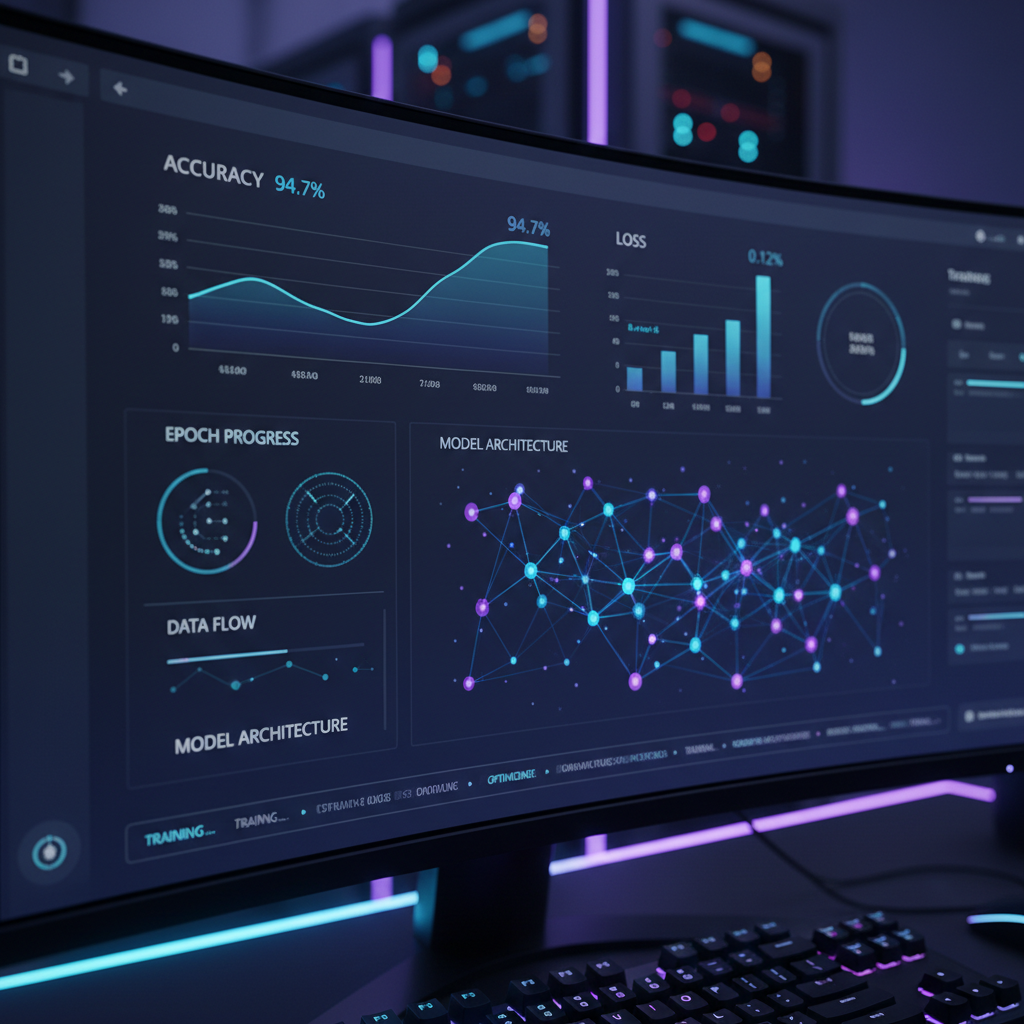
- Increased Accuracy: AI algorithms reduce the risk of human error, ensuring more accurate identification of biomarkers.
- Speed: Automated analysis significantly cuts down the time required for data processing.
- Scalability: AI systems can handle large datasets, making them ideal for large-scale studies.
As a result, researchers can focus more on interpreting results and developing applications based on these findings, rather than getting bogged down by data analysis.

Applications of AI-Driven Biomarker Discovery
AI curation is being applied across various fields, from oncology to neurology, offering promising advancements in personalized medicine. By identifying specific biomarkers, AI can help tailor treatments to individual patients, improving outcomes and reducing side effects.
Furthermore, AI-driven biomarker discovery is paving the way for the development of predictive models, which can foresee disease progression and inform early intervention strategies. This proactive approach is transforming healthcare, making it more anticipatory rather than reactive.
Challenges and Considerations
Despite its advantages, integrating AI curation into biomarker discovery is not without challenges. One major consideration is the quality of data used for training AI models. Poor-quality data can lead to inaccurate results, highlighting the importance of robust data collection and management practices.
Additionally, there are ethical considerations regarding data privacy and security. Ensuring compliance with regulations and maintaining transparency in AI processes are essential to gaining trust from both the scientific community and the public.

The Future of Biomarker Discovery
The future of biomarker discovery is undoubtedly intertwined with advancements in AI technology. As AI algorithms become more sophisticated, their ability to identify novel biomarkers will continue to improve, leading to breakthroughs in disease understanding and treatment.
Collaboration between AI developers and biomedical researchers will be key to harnessing the full potential of AI curation. By working together, they can ensure that AI tools are designed to address the specific needs and challenges of biomarker identification.
Conclusion
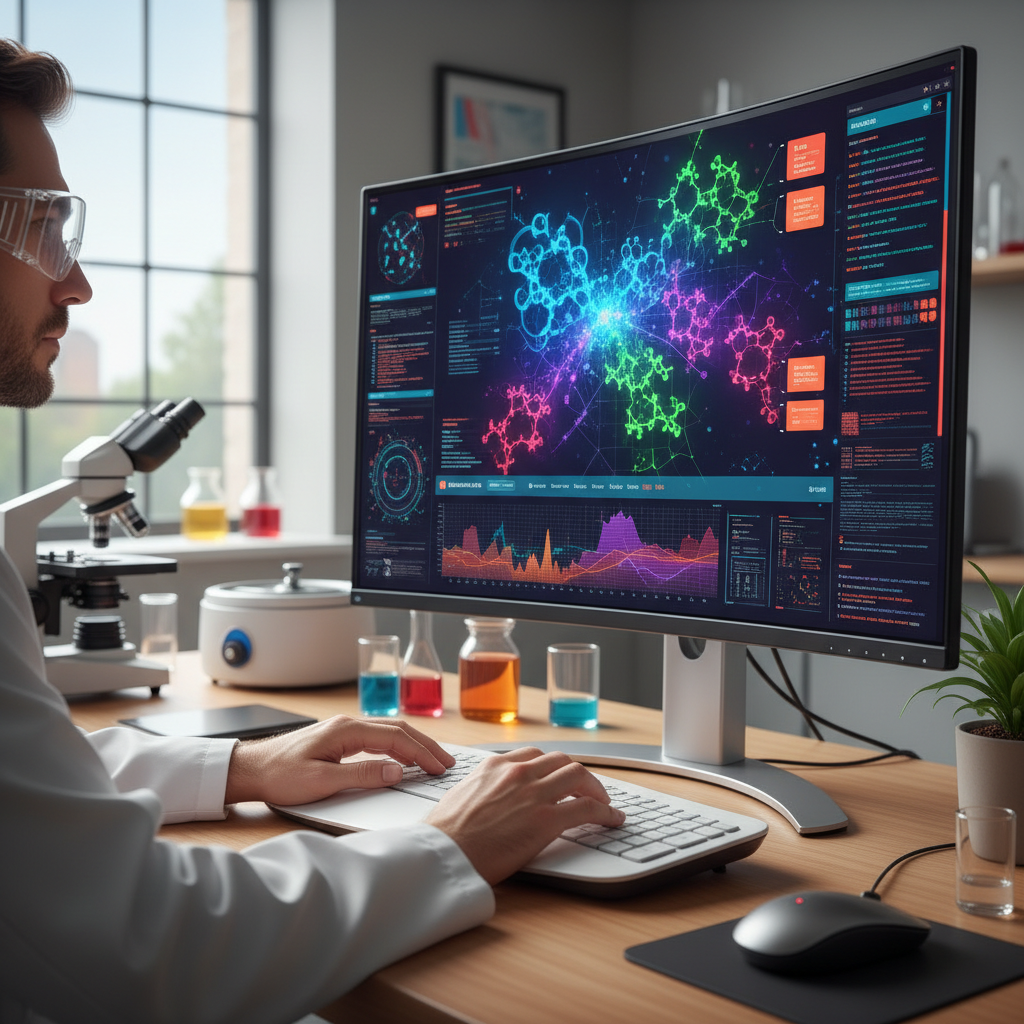
AI curation represents a transformative step forward in the field of biomarker discovery. By enhancing the accuracy, speed, and scalability of data analysis, AI is opening new avenues for research and development. As we continue to refine these technologies, the potential for improved healthcare outcomes grows exponentially, promising a future where precision medicine is the norm.