From Clinical Trials to Patient Care: The Journey of Targeted Cancer Therapies


Understanding Targeted Cancer Therapies
Targeted cancer therapies represent a revolutionary advancement in oncology, focusing on specific molecules and cellular mechanisms to combat cancer cells. Unlike traditional treatments, which can affect both healthy and cancerous cells, these therapies aim to minimize damage to normal cells, reducing side effects and enhancing effectiveness.
The journey of a targeted therapy from the research lab to patient care involves a meticulous process of discovery, development, and clinical evaluation. This precision medicine approach is transforming how we treat various types of cancer, offering new hope to patients worldwide.
The Role of Clinical Trials
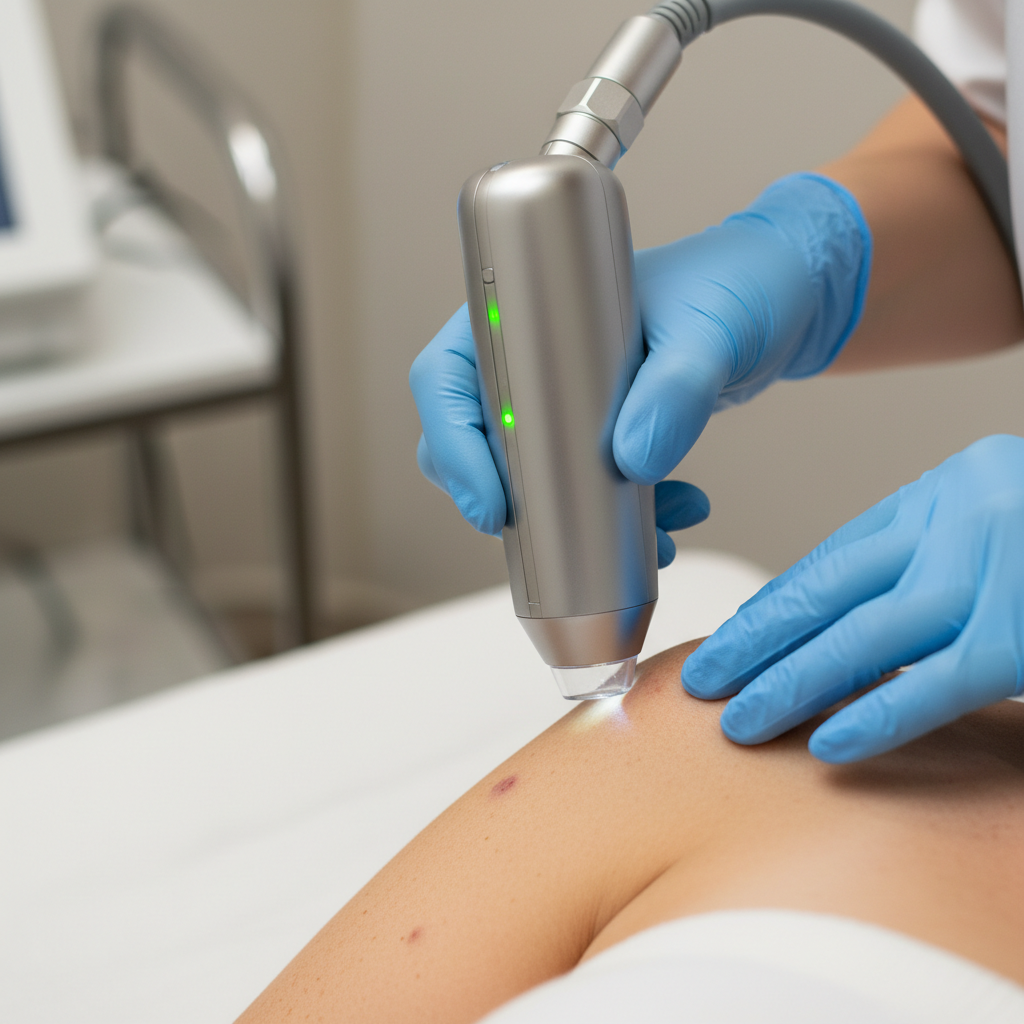
Clinical trials are the cornerstone of developing targeted cancer therapies. These trials are designed to assess the safety and efficacy of new treatments. They typically progress through several phases, each with distinct objectives and increasing numbers of participants.
Phase I trials focus on determining the optimal dosage and identifying potential side effects. Phase II trials evaluate the treatment's effectiveness, while Phase III trials compare the new therapy with existing standard treatments. Finally, Phase IV trials monitor long-term effects after the therapy has reached the market.

From Bench to Bedside
The transition from laboratory research to patient care is a complex and often lengthy process. Researchers begin by identifying a specific target, such as a protein or gene, that plays a critical role in cancer development. Once identified, potential drugs are tested in preclinical studies using cell lines and animal models.
Successful preclinical results pave the way for clinical trials. Each phase of these trials requires rigorous regulatory approval to ensure patient safety. If the therapy proves successful in trials, it can then be approved for general use, offering new treatment options for patients.
Challenges and Breakthroughs
While targeted therapies offer promising benefits, they also present challenges. Cancer cells can develop resistance to treatments, necessitating ongoing research and adaptation. Additionally, targeting specific mutations requires precise diagnostic tests, which may not be available for all patients.
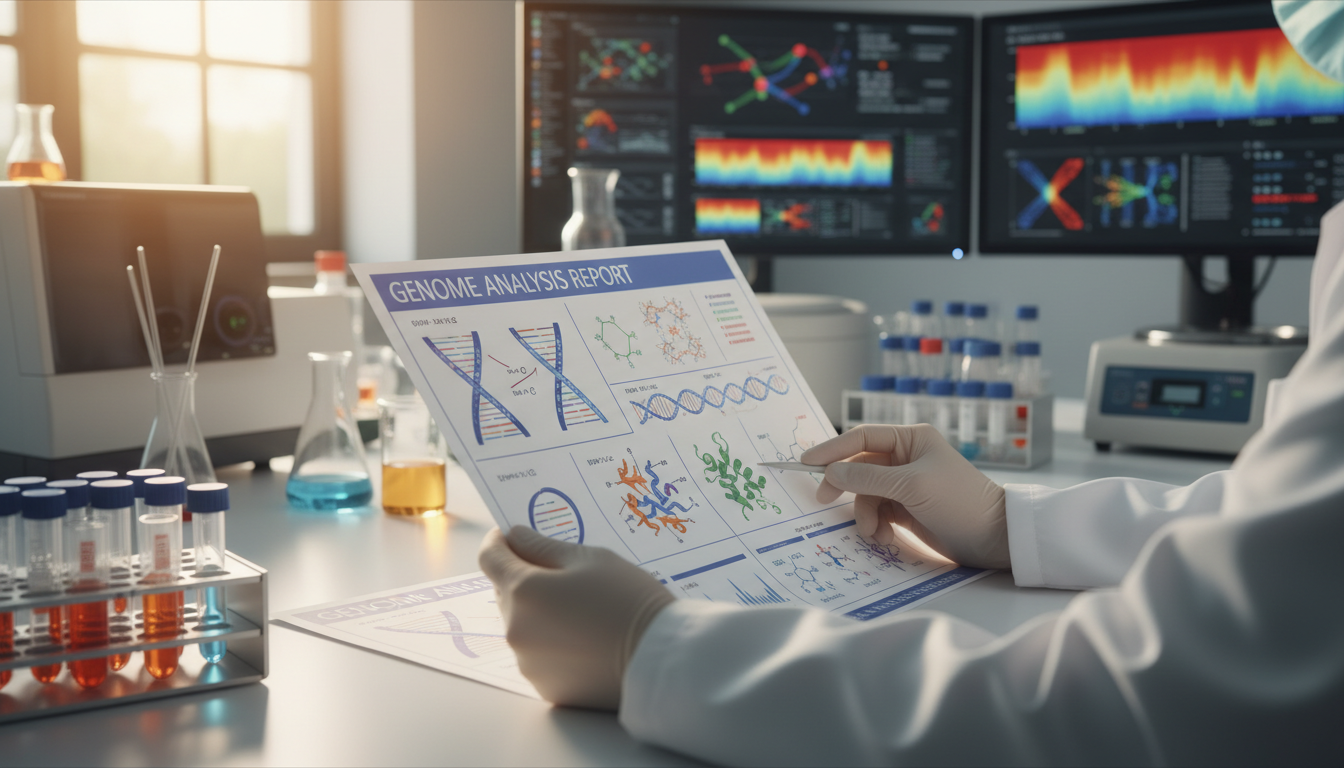
Despite these hurdles, breakthroughs in genetic sequencing and biomarker discovery continue to expand the potential of targeted therapies. Personalized medicine is increasingly becoming a reality, with treatments tailored to an individual's unique genetic makeup.
The Impact on Patient Care
Targeted cancer therapies have significantly improved patient outcomes, offering more effective and less toxic treatment options. Patients experience fewer side effects, leading to better quality of life during and after treatment.
These therapies also provide hope for individuals with cancers that are resistant to conventional treatments. As research progresses, the range of cancers that can be effectively treated with targeted therapies continues to grow, providing new opportunities for patients and healthcare providers alike.

The Future of Targeted Therapies
The future of cancer treatment lies in the continued development and integration of targeted therapies. Ongoing research aims to overcome current limitations and expand the applicability of these treatments. Collaboration between researchers, clinicians, and patients is essential to drive innovation and improve outcomes.
As we move forward, the promise of targeted cancer therapies offers a beacon of hope in the fight against cancer. By understanding and harnessing the molecular intricacies of the disease, we can continue to develop more effective, individualized treatments that improve survival rates and enhance lives.