Exploring the Future of Precision Oncology: Trends and Innovations


Understanding Precision Oncology
Precision oncology represents a groundbreaking approach in cancer treatment, focusing on customizing healthcare, with medical decisions and treatments tailored to the individual patient. This strategy considers the genetic variability, environment, and lifestyle of each patient. As we delve into the future of precision oncology, it's crucial to comprehend its current landscape and potential impact on healthcare.

Advancements in Genomic Profiling
A key trend in precision oncology is the advancement of genomic profiling. By analyzing the genetic makeup of tumors, healthcare professionals can identify specific mutations that drive cancer growth. This allows for more targeted therapies, which can be more effective and have fewer side effects compared to traditional treatments. Genomic profiling is becoming increasingly accessible, making it a cornerstone of precision oncology.
Recent innovations in sequencing technologies have significantly reduced the cost and time required to analyze genetic data. This progress is paving the way for more widespread use of personalized treatment plans, tailored to the unique genetic profile of each patient's cancer.
Targeted Therapies and Immunotherapy
Another significant trend in precision oncology is the development of targeted therapies and immunotherapies. Targeted therapies focus on specific molecules involved in cancer growth, blocking their effects and halting the progression of the disease. These treatments are often more effective and less toxic than traditional chemotherapy.
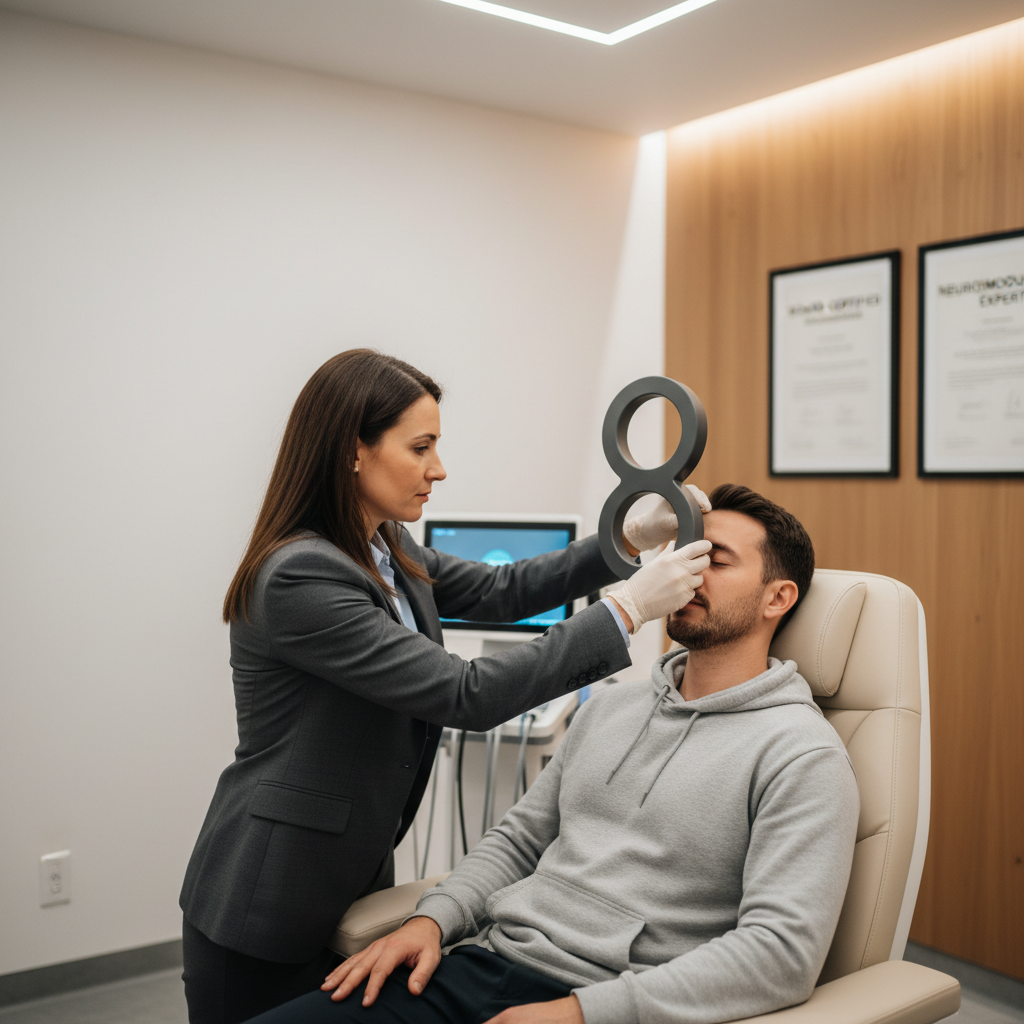
Immunotherapy, on the other hand, leverages the body's immune system to fight cancer. By enhancing or restoring immune function, these therapies provide a powerful weapon against cancer cells. Ongoing research and clinical trials continue to expand the potential applications of immunotherapy, offering hope for more effective treatments.
Artificial Intelligence in Cancer Treatment
The integration of artificial intelligence (AI) in precision oncology is revolutionizing how cancer is diagnosed and treated. AI algorithms can analyze vast amounts of data quickly, identifying patterns and predicting treatment outcomes with remarkable accuracy. This technology aids in early detection, optimizing treatment plans, and improving patient outcomes.
AI-driven tools are also enhancing the efficiency of drug discovery and development, leading to faster innovation in cancer therapies. As AI technology continues to evolve, its role in precision oncology is expected to grow, offering new possibilities for personalized care.

Challenges and Opportunities
Despite the promising advancements, precision oncology faces several challenges. The complexity of cancer genetics, the need for large-scale data sharing, and the high costs associated with personalized treatments are significant hurdles. However, these challenges also present opportunities for innovation and collaboration across the healthcare industry.
Efforts to standardize data collection and sharing, coupled with advances in technology, are likely to address these challenges over time. Collaborative research initiatives and partnerships between academia, industry, and healthcare providers are essential for driving progress in this field.
The Future of Precision Oncology
Looking ahead, the future of precision oncology is bright. Continuous advancements in technology, coupled with a deeper understanding of cancer biology, are set to transform cancer treatment. As precision oncology becomes more integrated into standard care, patients can expect more personalized, effective, and less invasive treatment options.
Ultimately, the goal of precision oncology is to improve patient outcomes and quality of life. By focusing on the individual, rather than a one-size-fits-all approach, this innovative field is poised to make a significant impact on cancer care worldwide.