Expert Insights: How Genomic Data Transforms Cancer Treatment Decisions


Understanding Genomic Data in Cancer Treatment
Genomic data has revolutionized the way we approach cancer treatment. By examining the genetic makeup of cancer cells, healthcare professionals can gain critical insights into the most effective treatment strategies for individual patients. This personalized approach not only improves outcomes but also minimizes unnecessary side effects, making cancer treatment more precise and patient-friendly.
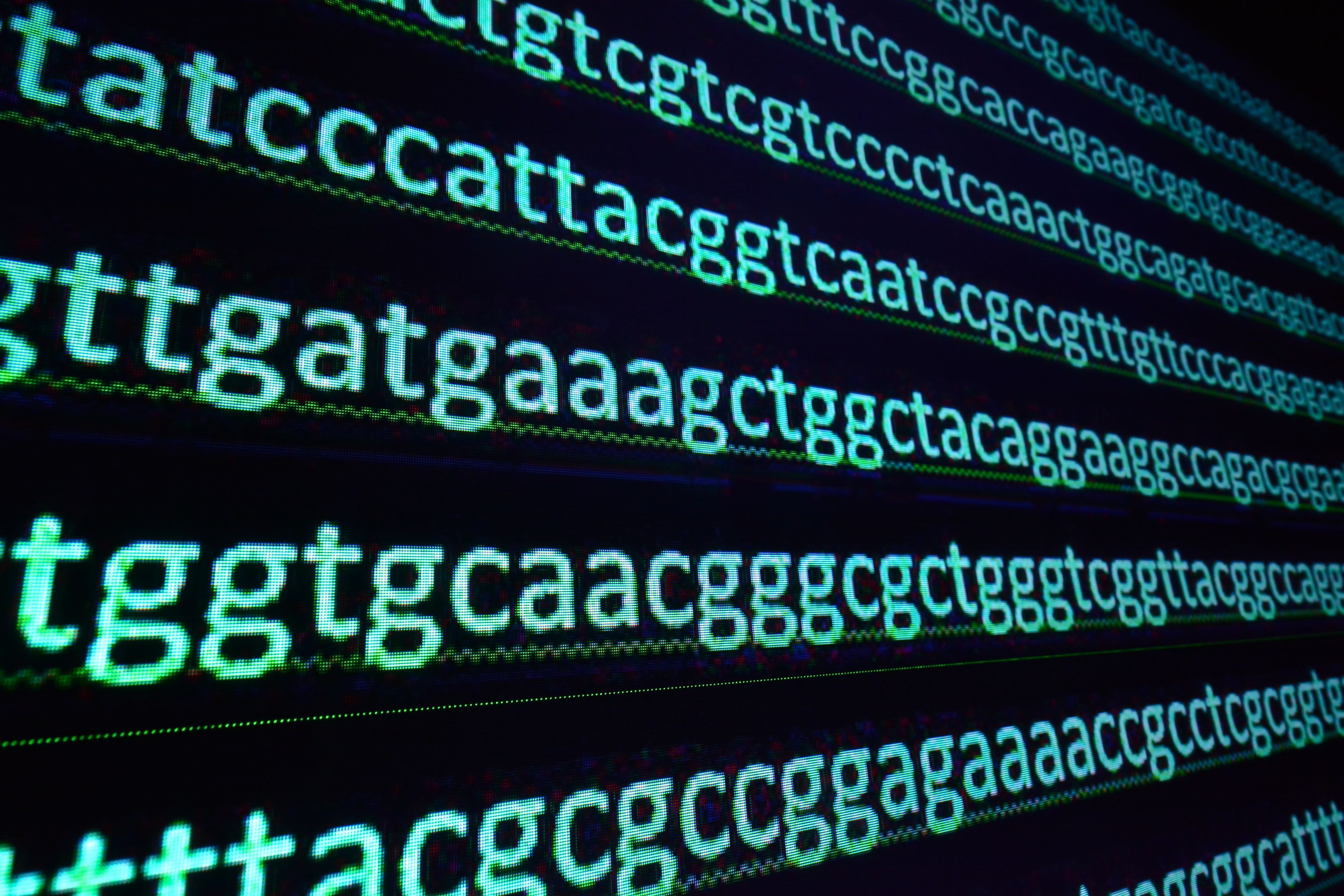
The power of genomic data lies in its ability to reveal mutations and alterations in cancer cells that drive tumor growth and resistance to traditional therapies. By identifying these specific changes, oncologists can tailor treatments to target these mutations directly, leading to better efficacy and potentially longer survival rates for patients.
The Role of Precision Medicine
Precision medicine is a transformative approach in oncology that leverages genomic data to customize treatment plans. Instead of the one-size-fits-all model, precision medicine considers the unique genetic profile of each patient's cancer. This approach helps in identifying targeted therapies that are more likely to be successful.
One of the key components of precision medicine is the use of targeted therapies. These are drugs or other treatments designed to target specific genetic changes in cancer cells. By focusing on these changes, targeted therapies can be more effective and less harmful to normal, healthy cells.
Benefits of Genomic Profiling
Genomic profiling offers numerous benefits in cancer treatment. Here are some key advantages:
- Enhanced Accuracy: By pinpointing the exact genetic mutations present in a patient's cancer, doctors can select treatments with a higher likelihood of success.
- Reduced Side Effects: Treatments that target specific mutations often result in fewer side effects compared to conventional chemotherapy.
- Improved Prognosis: Patients receiving tailored treatments based on their genomic profiles often experience better outcomes.
Challenges and Considerations
While the integration of genomic data into cancer treatment is promising, it also presents several challenges. One major hurdle is the complexity and volume of data generated through genomic sequencing. Interpreting this data requires specialized knowledge and advanced computational tools.

Additionally, there is a need for ongoing research to understand the full implications of various genetic mutations. Not all mutations have well-defined treatment options, and some may require new drug development. Furthermore, ethical considerations such as data privacy and informed consent are critical when dealing with sensitive genomic information.
The Future of Cancer Treatment
The future of cancer treatment is undoubtedly intertwined with advancements in genomic data analysis. As technology evolves, it is expected that genomic sequencing will become more accessible and affordable, allowing more patients to benefit from personalized treatment plans.
Moreover, increased collaboration between researchers, clinicians, and pharmaceutical companies will likely accelerate the development of new targeted therapies. This collaborative effort will be crucial in overcoming current limitations and ensuring that genomic data continues to transform cancer treatment for the better.
In conclusion, genomic data is reshaping the landscape of oncology, offering new hope for patients through personalized medicine. By unlocking the genetic secrets of cancer, we are moving closer to a future where every treatment decision is informed, precise, and tailored to save lives.