Emerging Technologies in Cancer Treatment Decisions: What You Need to Know


In recent years, the landscape of cancer treatment has been undergoing a significant transformation, driven by emerging technologies. These innovations are not only improving treatment efficacy but also personalizing care to meet individual patient needs. Understanding these advancements is crucial for making informed decisions about cancer treatment.
Genomic Testing and Personalized Medicine
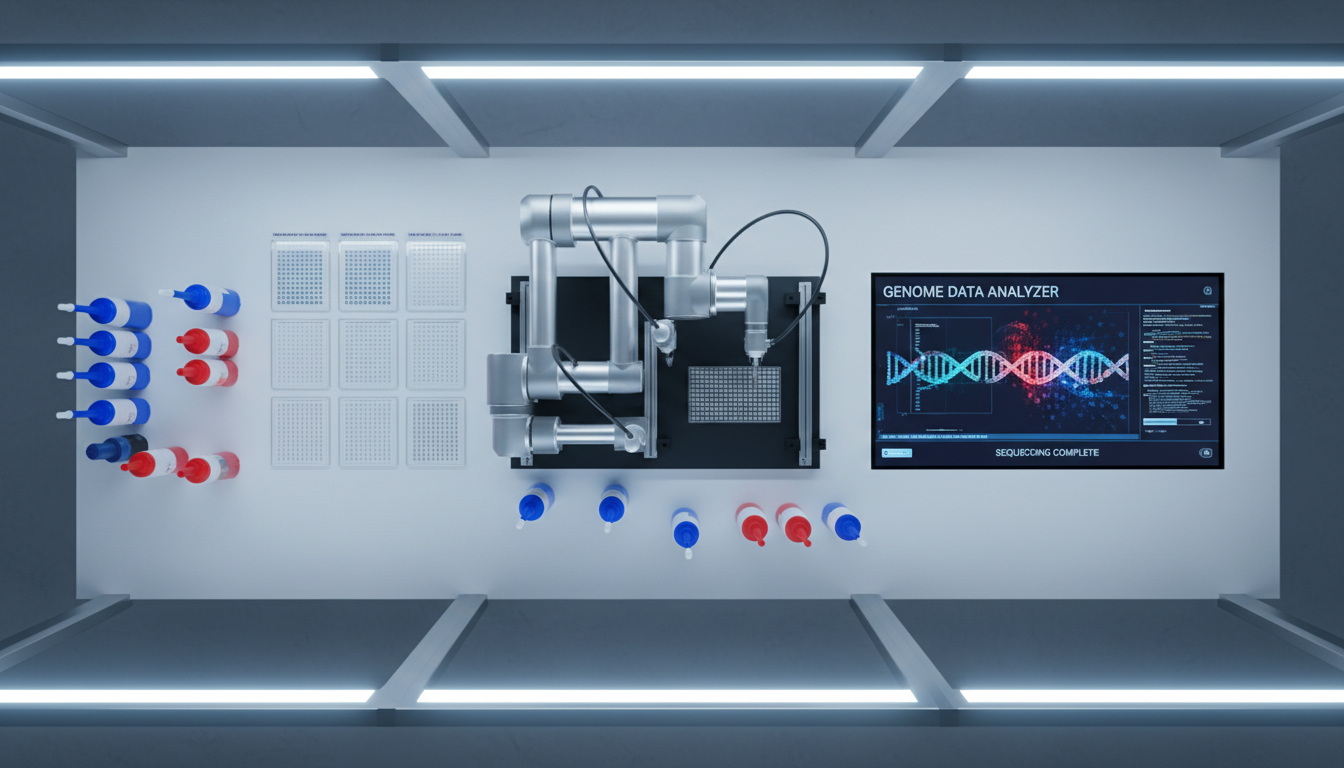
One of the most promising developments in cancer treatment is genomic testing. By analyzing a patient's genetic makeup, doctors can determine which treatments will be most effective. This personalized approach, often referred to as precision medicine, allows for targeted therapies that can significantly improve outcomes.
Genomic testing can identify specific mutations in cancer cells, enabling the use of targeted drugs that directly attack these mutations. This means treatments can be tailored to the unique characteristics of each patient's cancer.
Immunotherapy: Harnessing the Body's Defense
Immunotherapy is another breakthrough in cancer treatment. This method uses the body's immune system to fight cancer cells. Unlike traditional treatments, which can be harsh and non-specific, immunotherapy offers a more targeted approach.
Types of immunotherapy include checkpoint inhibitors, CAR T-cell therapy, and cancer vaccines. These treatments work by enhancing the immune system's ability to recognize and destroy cancer cells, offering new hope for patients with certain types of cancer.

Artificial Intelligence in Treatment Planning
Artificial Intelligence (AI) is revolutionizing how treatment plans are developed. AI algorithms can analyze vast amounts of data from medical records, genomic tests, and clinical trials to recommend the best treatment options.
This technology not only speeds up the decision-making process but also enhances accuracy. AI can identify patterns and correlations that might be missed by human analysis alone, ensuring that patients receive the most effective treatments available.

Minimally Invasive Surgical Techniques
Surgical options have also seen advancements with the development of minimally invasive procedures. Techniques such as laparoscopic surgery and robotic-assisted surgery offer precision and reduced recovery times.
These procedures typically result in less pain and scarring, with a quicker return to normal activities. As technology continues to advance, these options are becoming more widely available, offering new hope for cancer patients.
Considerations for Patients and Families
With these emerging technologies, patients and families face new considerations when making treatment decisions. It's essential to consult with healthcare providers who are knowledgeable about the latest advancements.
- Discuss all available options and their potential benefits and risks.
- Consider getting a second opinion from specialists who are experienced in cutting-edge treatments.
- Stay informed about ongoing clinical trials that might provide access to new therapies.
By understanding these innovations and working closely with healthcare providers, patients can make more informed decisions about their treatment paths.