Case Study: Improving Cancer Outcomes Through Targeted Therapies


Introduction to Targeted Therapies
Targeted therapies have revolutionized the treatment landscape for cancer by focusing on specific molecular targets associated with cancer. Unlike traditional chemotherapy, which affects both cancerous and healthy cells, targeted therapies aim to inhibit the growth of cancer cells while minimizing damage to normal cells. This approach has led to more effective and personalized treatment options for patients.
In recent years, advancements in genetic research have paved the way for targeted therapies, enabling medical professionals to tailor treatments based on individual genetic profiles. This precision medicine approach is transforming cancer care and improving patient outcomes significantly.

How Targeted Therapies Work
Targeted therapies work by interfering with specific proteins or genes that contribute to cancer growth and progression. These therapies can block or turn off signals that tell cancer cells to grow, or they can deliver toxic substances directly to cancer cells while sparing normal cells.
There are several types of targeted therapies, including monoclonal antibodies and small molecule inhibitors. Each type targets different aspects of the cancer cell's lifecycle, offering a multifaceted approach to treatment. For example, monoclonal antibodies attach to specific proteins on cancer cells, marking them for destruction by the immune system.
Identifying the Right Targets
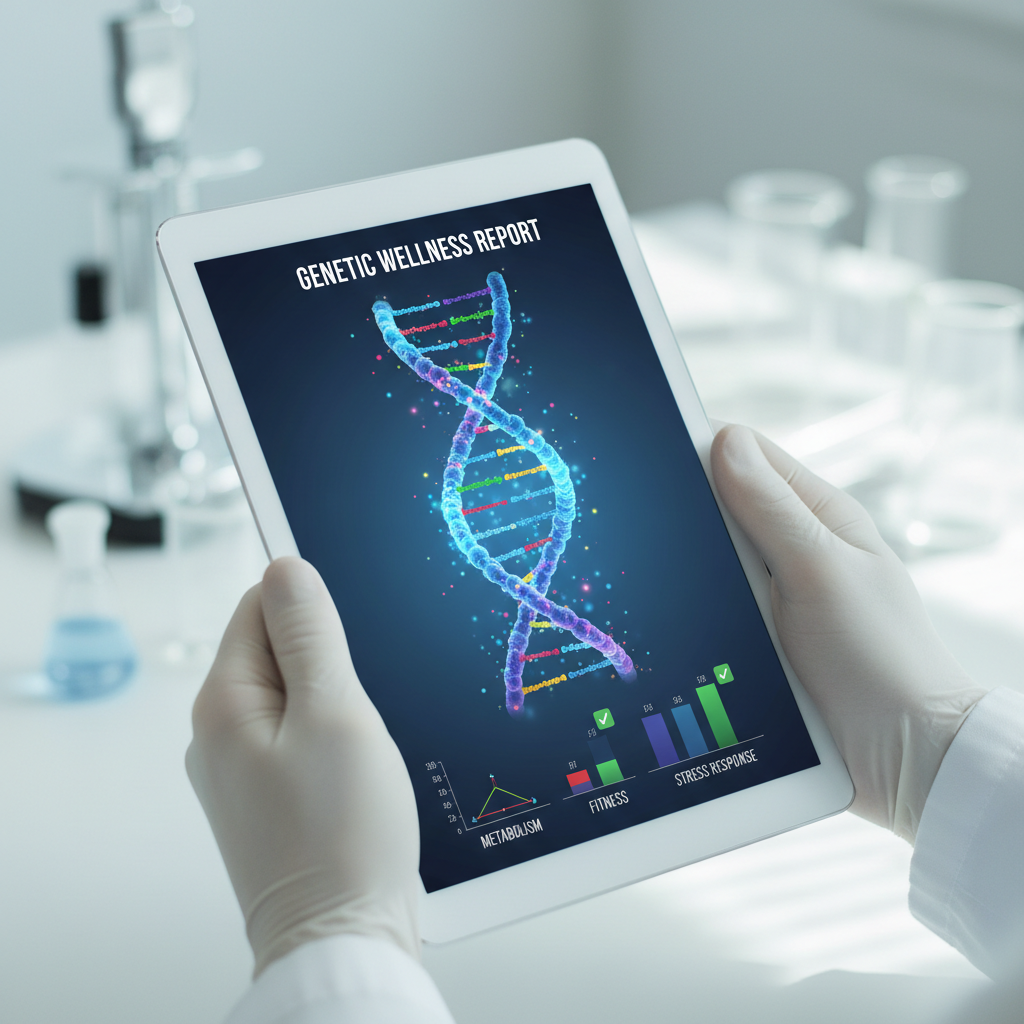
The success of targeted therapies largely depends on identifying the right molecular targets. Genetic testing plays a crucial role in this process, helping oncologists determine the most effective treatment for each patient. By analyzing the genetic mutations and expressions in a tumor, doctors can select therapies that are more likely to be effective.
Benefits of Targeted Therapies
One of the primary benefits of targeted therapies is their ability to improve survival rates while reducing side effects. Because these treatments are more specific, they tend to be better tolerated by patients compared to traditional chemotherapy. This specificity also allows for the use of combination therapies, where multiple agents target different pathways involved in cancer progression.
In addition to enhancing survival rates, targeted therapies offer new hope for patients with hard-to-treat cancers. For example, certain types of leukemia and breast cancer have seen significant improvements in outcomes thanks to these innovative treatments.
Case Study: Success Stories
Numerous case studies highlight the success of targeted therapies. For instance, the introduction of HER2 inhibitors has dramatically improved outcomes for patients with HER2-positive breast cancer. Similarly, treatments targeting the BCR-ABL protein have transformed chronic myeloid leukemia from a fatal disease to a manageable condition for many patients.

Challenges and Future Directions
Despite their success, targeted therapies face several challenges. Tumors can develop resistance to these treatments over time, necessitating ongoing research to develop new strategies and combinations. Additionally, not all patients have identifiable targets, which limits the applicability of these therapies.
Looking ahead, the future of targeted cancer therapy lies in overcoming these challenges through continued research and innovation. This includes the development of new drugs, better diagnostic tools, and a deeper understanding of cancer biology.
Conclusion
Targeted therapies represent a promising frontier in the fight against cancer, offering hope to millions of patients worldwide. By focusing on the unique genetic makeup of each tumor, these therapies are paving the way for more personalized and effective cancer treatments. As research continues to evolve, the potential for improving cancer outcomes through targeted therapies remains immense.