Cancer Decision Support: Integrating Genomics and Clinical Trial Data


The Intersection of Genomics and Clinical Trials
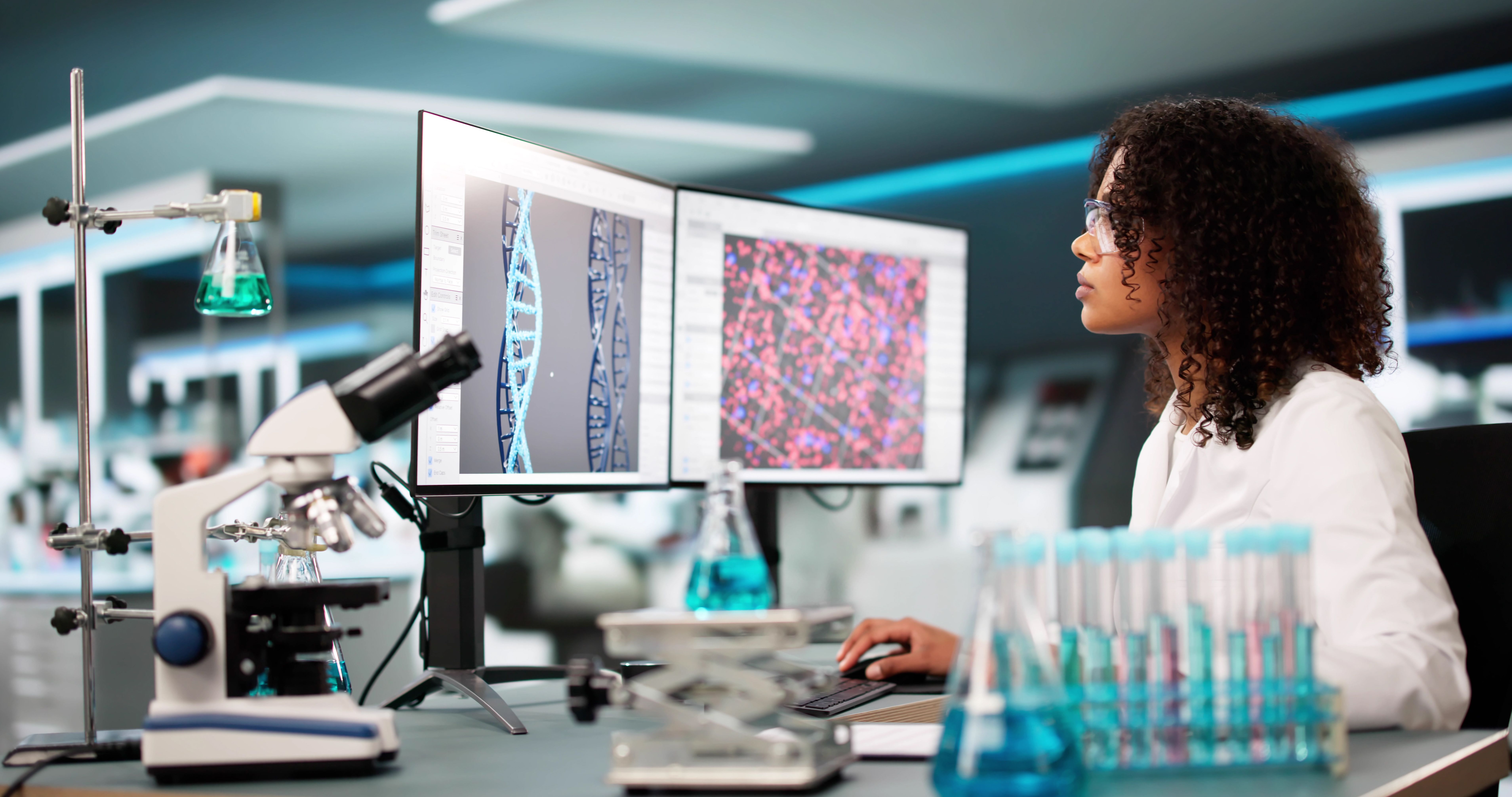
The integration of genomics and clinical trial data marks a significant advancement in the field of cancer decision support. By leveraging these two powerful resources, healthcare providers can tailor treatment strategies to the unique genetic makeup of each patient. This approach not only enhances the effectiveness of cancer therapies but also minimizes adverse effects, paving the way for more personalized and precise medicine.
Genomics involves the study of a person's genes and their interactions with each other and the environment. When combined with clinical trial data, which provides insights into treatment efficacy and safety, the potential for breakthroughs in cancer treatment is immense. This synergy allows for a deeper understanding of how specific genetic variations can influence treatment outcomes.
Benefits of Integrating Genomics with Clinical Trials
One of the primary benefits of this integration is the ability to identify biomarkers that can predict a patient's response to particular treatments. This predictive capability is crucial for developing targeted therapies that are more likely to succeed. For example, certain genetic markers may indicate that a patient will respond well to a specific drug, allowing clinicians to make informed decisions quickly.
Moreover, integrating genomics with clinical trial data supports the discovery of new drug targets. Researchers can identify genetic mutations that drive cancer progression and develop therapies aimed at these targets. This approach not only accelerates the drug development process but also increases the likelihood of clinical trial success.

Challenges and Considerations
Despite its potential, integrating genomics and clinical trial data poses several challenges. One major concern is data privacy. Ensuring that sensitive genetic information is protected while being shared among researchers and clinicians is paramount. Robust data governance frameworks must be established to address these privacy issues.
Another challenge is the sheer volume of data generated. Advanced data analytics and machine learning algorithms are required to process and interpret this data effectively. Healthcare providers must invest in the necessary infrastructure and expertise to make the most of these technologies.

Future Directions and Innovations
The future of cancer decision support lies in the continued integration of genomics and clinical trials, driven by innovations in technology and data analysis. As more data becomes available, artificial intelligence (AI) and machine learning will play increasingly vital roles in interpreting complex datasets and uncovering new insights.
Additionally, the development of comprehensive databases that combine genomic and clinical trial information will be essential. These resources will enable researchers to conduct meta-analyses and identify patterns that may not be evident in smaller, isolated studies.
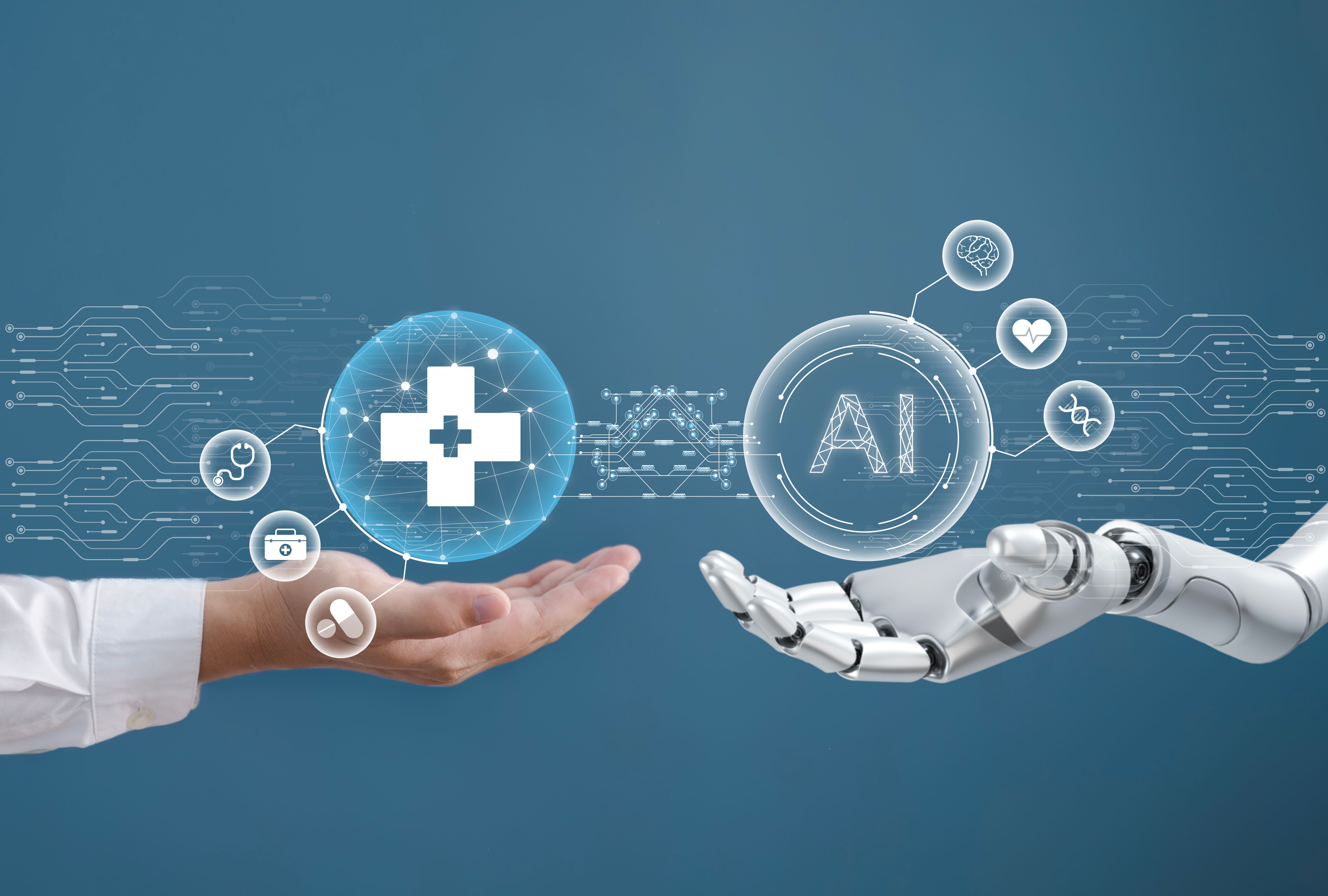
In conclusion, the integration of genomics and clinical trial data is revolutionizing cancer decision support, offering hope for more effective and personalized treatments. Although challenges remain, continued advancements in technology and data analysis promise to overcome these obstacles, leading to better outcomes for cancer patients worldwide.