Biomarker Identification: The Key to Personalized Cancer Therapies


In recent years, the field of oncology has witnessed remarkable advancements, with personalized cancer therapies at the forefront of this revolution. Central to these therapies is the concept of biomarker identification, which plays a pivotal role in tailoring treatments to individual patients. By understanding the unique characteristics of a patient's cancer, healthcare providers can offer more effective and targeted treatments.
Understanding Biomarkers
Biomarkers are biological molecules found in blood, other body fluids, or tissues that signify a normal or abnormal process, or a condition or disease. In the context of cancer, biomarkers can help in determining how aggressive a tumor is, predicting how well a patient will respond to treatment, and identifying potential therapeutic targets.
There are several types of biomarkers, including genomic, proteomic, and metabolic markers. Each type provides different insights into the cancer's biology and can guide treatment decisions. For example, genomic biomarkers can reveal mutations that drive cancer growth, allowing for the use of targeted therapies.
The Role of Biomarker Identification in Personalized Therapies
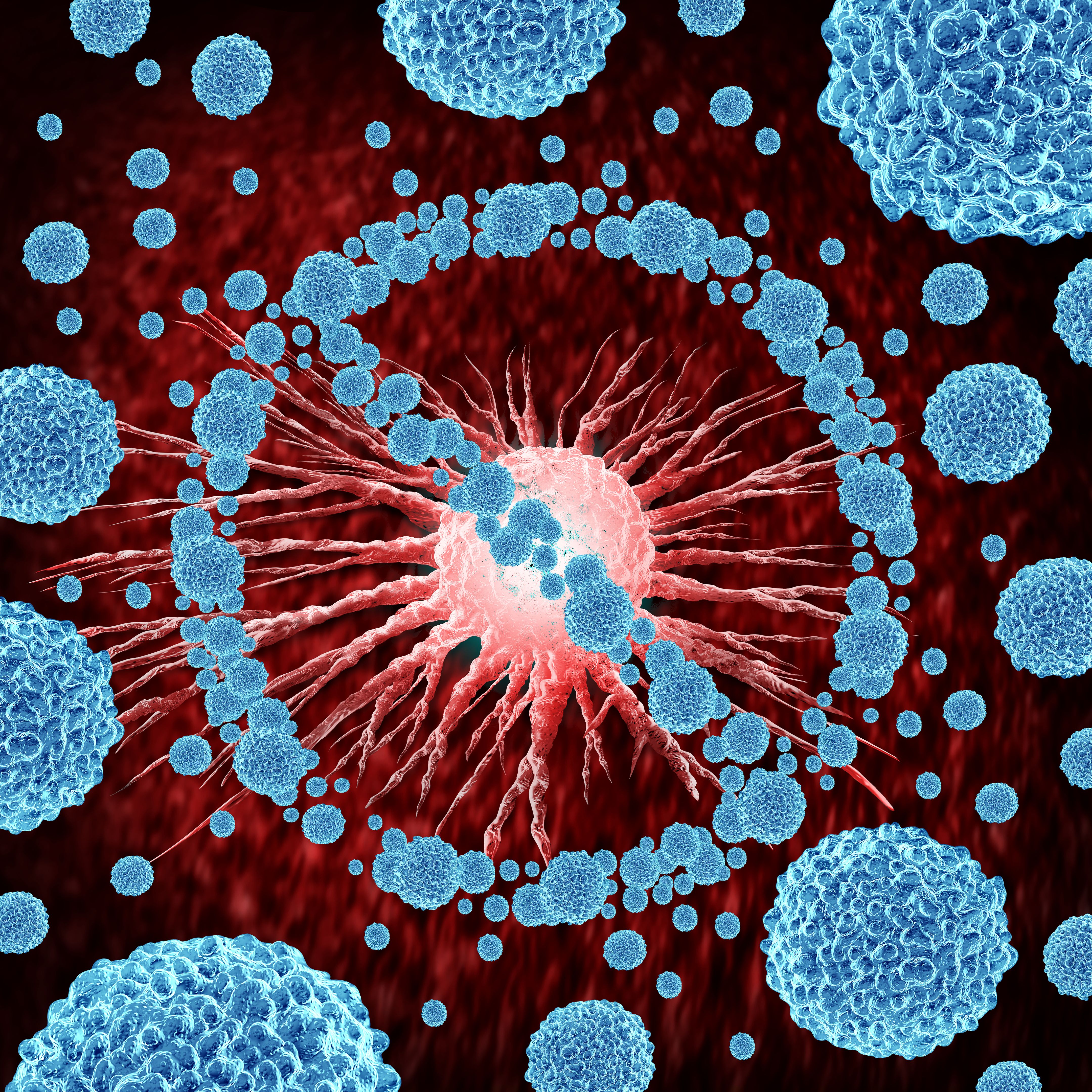
Personalized cancer therapies aim to tailor treatment to the individual characteristics of each patient’s cancer. This approach contrasts with traditional treatments, which often apply a one-size-fits-all strategy. Biomarker identification is crucial in this context, as it helps in selecting the most appropriate treatment for each patient.
By identifying specific biomarkers, clinicians can determine which patients are more likely to benefit from certain therapies. This not only increases the effectiveness of the treatment but also reduces the risk of adverse side effects. Ultimately, this leads to better outcomes and improved quality of life for patients.
How Biomarker Identification Works
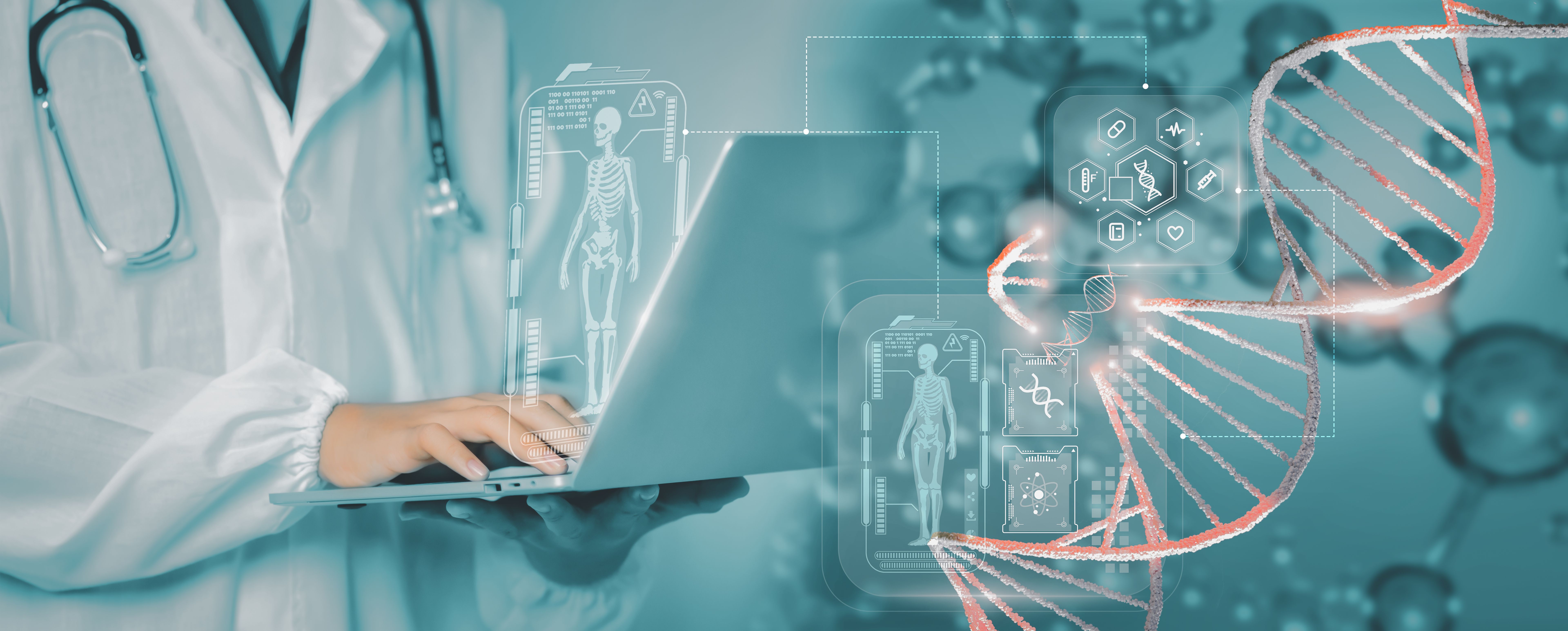
The process of biomarker identification involves several key steps:
- Sample Collection: Obtaining blood, tissue, or other body fluid samples from the patient.
- Biomarker Testing: Analyzing the samples using various techniques to detect biomarkers associated with the cancer.
- Data Interpretation: Interpreting the results to understand the cancer's characteristics and potential vulnerabilities.
- Treatment Planning: Using the information to develop a tailored treatment plan for the patient.
Advancements in technology have significantly enhanced the efficiency and accuracy of biomarker identification, making it an integral part of modern cancer care.

Challenges and Future Directions
Despite the promising potential of biomarker identification, several challenges remain. The complexity of cancer biology means that not all cancers have identifiable biomarkers. Additionally, the cost and accessibility of biomarker testing can be a barrier for many patients.
Research is ongoing to overcome these challenges and expand the range of identifiable biomarkers. The future of personalized cancer therapy looks bright, with continuous innovations paving the way for more effective and accessible treatments.
In conclusion, biomarker identification is a key component of personalized cancer therapies, offering hope for improved patient outcomes. As research progresses, the integration of biomarkers into routine clinical practice is expected to become more widespread, transforming the landscape of cancer treatment.