Biomarker Identification: The Key to Effective Targeted Cancer Therapy


The Importance of Biomarker Identification in Cancer Therapy
Biomarker identification has become a cornerstone in the development of effective targeted cancer therapies. Biomarkers, biological molecules found in blood, other body fluids, or tissues, are indicators of a normal or abnormal process, or of a condition or disease. In the context of cancer, they are crucial for diagnosing the disease, predicting its progression, and determining the most effective treatment strategies.
The use of biomarkers allows for a more personalized approach to cancer treatment, shifting away from the traditional one-size-fits-all methodology. This revolutionary approach enables healthcare professionals to tailor therapies that specifically target cancer cells, minimizing damage to healthy cells and improving patient outcomes.
Advancements in Biomarker Discovery
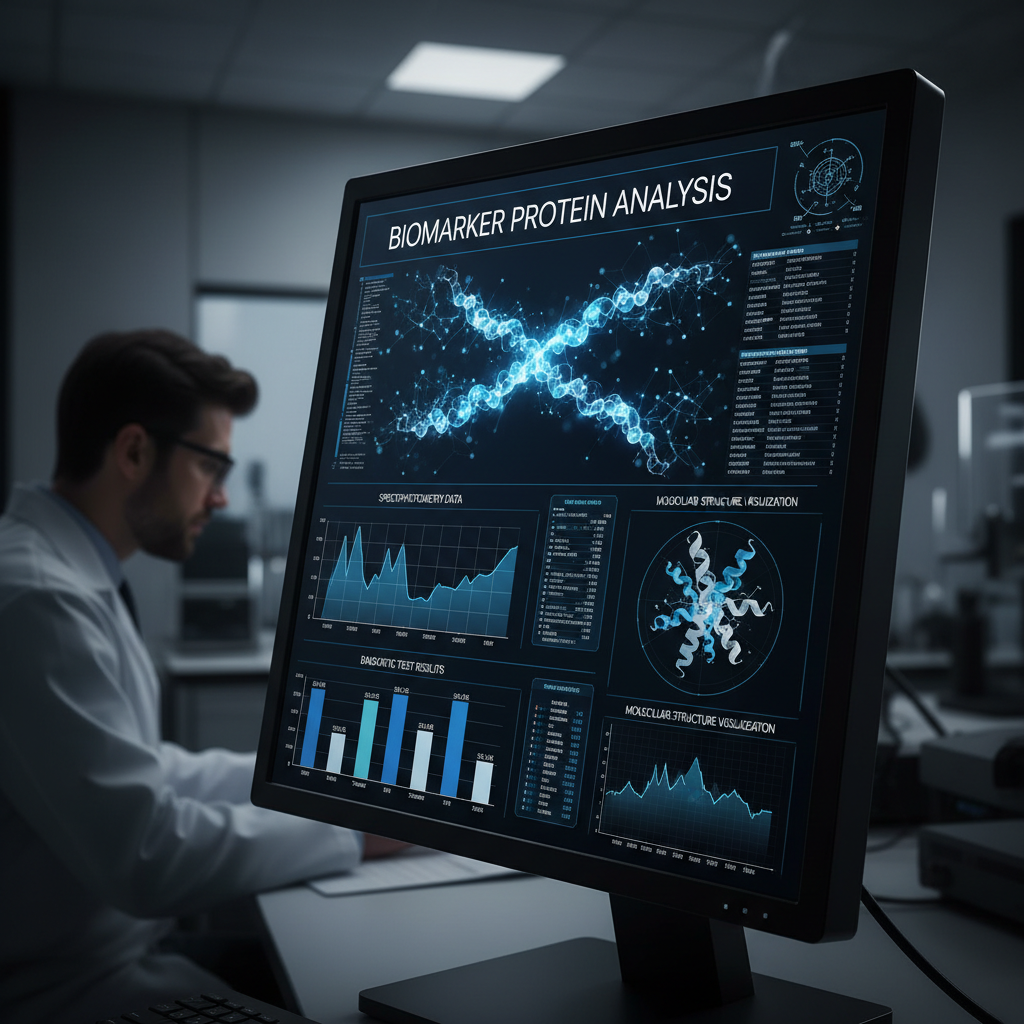
Recent advancements in technology have significantly enhanced the ability to discover and validate biomarkers. Techniques such as genomics, proteomics, and metabolomics are now commonplace in research laboratories, paving the way for more precise and effective cancer treatments. These technologies enable researchers to analyze vast amounts of biological data, identifying potential biomarkers with greater accuracy and speed.
The integration of artificial intelligence and machine learning in biomarker discovery has further accelerated progress. By analyzing complex datasets, AI can identify patterns and correlations that might be missed by traditional methods, leading to the identification of novel biomarkers that are critical for targeted therapies.

Biomarkers in Action: Real-World Applications
Biomarkers are already playing a pivotal role in the treatment of various cancers. For example, the presence of the HER2 protein in breast cancer patients can determine whether they are suitable candidates for targeted therapies such as trastuzumab. Similarly, in lung cancer, the identification of EGFR mutations can guide the use of tyrosine kinase inhibitors, offering a more effective treatment option.
The practical application of biomarkers extends beyond treatment selection. They are also vital in monitoring treatment response and disease progression. This ongoing assessment allows for adjustments in therapy, ensuring the most effective treatment plan is maintained throughout the patient's journey.

Challenges and Future Directions
Despite the significant advancements, challenges remain in the identification and implementation of biomarkers. The complexity of cancer, with its genetic diversity and ability to evolve, makes it difficult to find universal biomarkers applicable to all patients. Additionally, the translation of biomarker research from the laboratory to clinical settings can be a lengthy and resource-intensive process.
Looking forward, continued investment in research and collaboration between scientists, clinicians, and technology experts is essential. As our understanding of cancer biology deepens, the discovery of new biomarkers will likely lead to even more effective targeted therapies, transforming cancer treatment and improving patient outcomes worldwide.