Biomarker Identification: Revolutionizing Targeted Cancer Therapies


Understanding Biomarkers in Cancer Treatment
The landscape of cancer treatment has undergone a significant transformation with the advent of biomarker identification. Biomarkers, which are biological molecules found in blood, other body fluids, or tissues, serve as indicators of normal or abnormal processes or conditions in the body. In the context of cancer, they help in diagnosing the disease and predicting its progression.
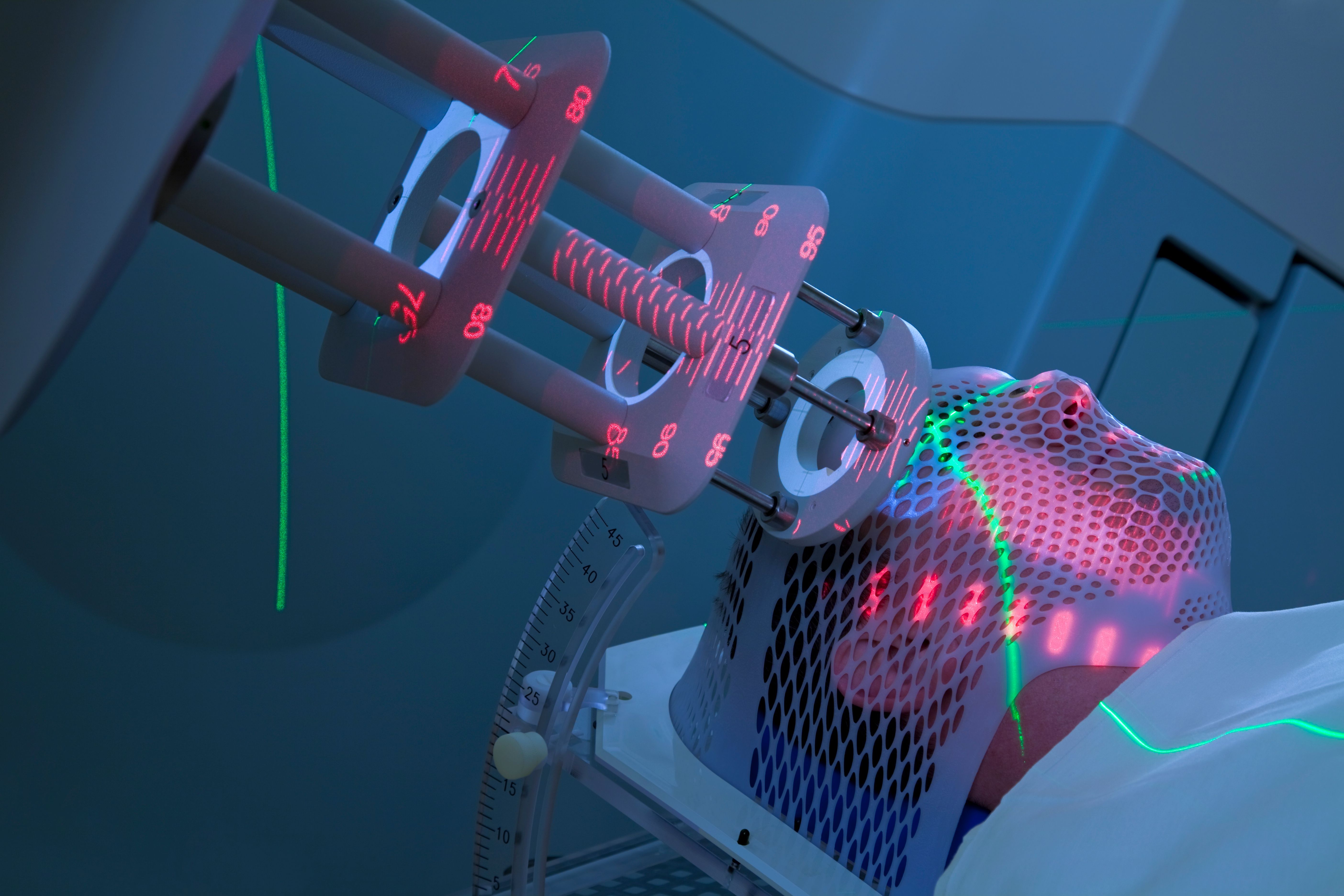
Biomarkers have become pivotal in developing targeted cancer therapies. These therapies focus on specific molecular changes that are unique to particular cancer types, offering more precise treatment options compared to traditional chemotherapy and radiation.

The Role of Biomarkers in Precision Medicine
Precision medicine aims to tailor treatments to individual patients based on their genetic makeup and the specific characteristics of their disease. Biomarkers play a crucial role in this approach by identifying patients who are more likely to benefit from certain treatments, thereby enhancing the effectiveness of therapies and minimizing adverse effects.
For example, the presence of certain biomarkers can indicate whether a patient will respond to a specific targeted therapy. This personalized approach not only improves outcomes but also optimizes healthcare resources by avoiding ineffective treatments.
Techniques for Biomarker Identification
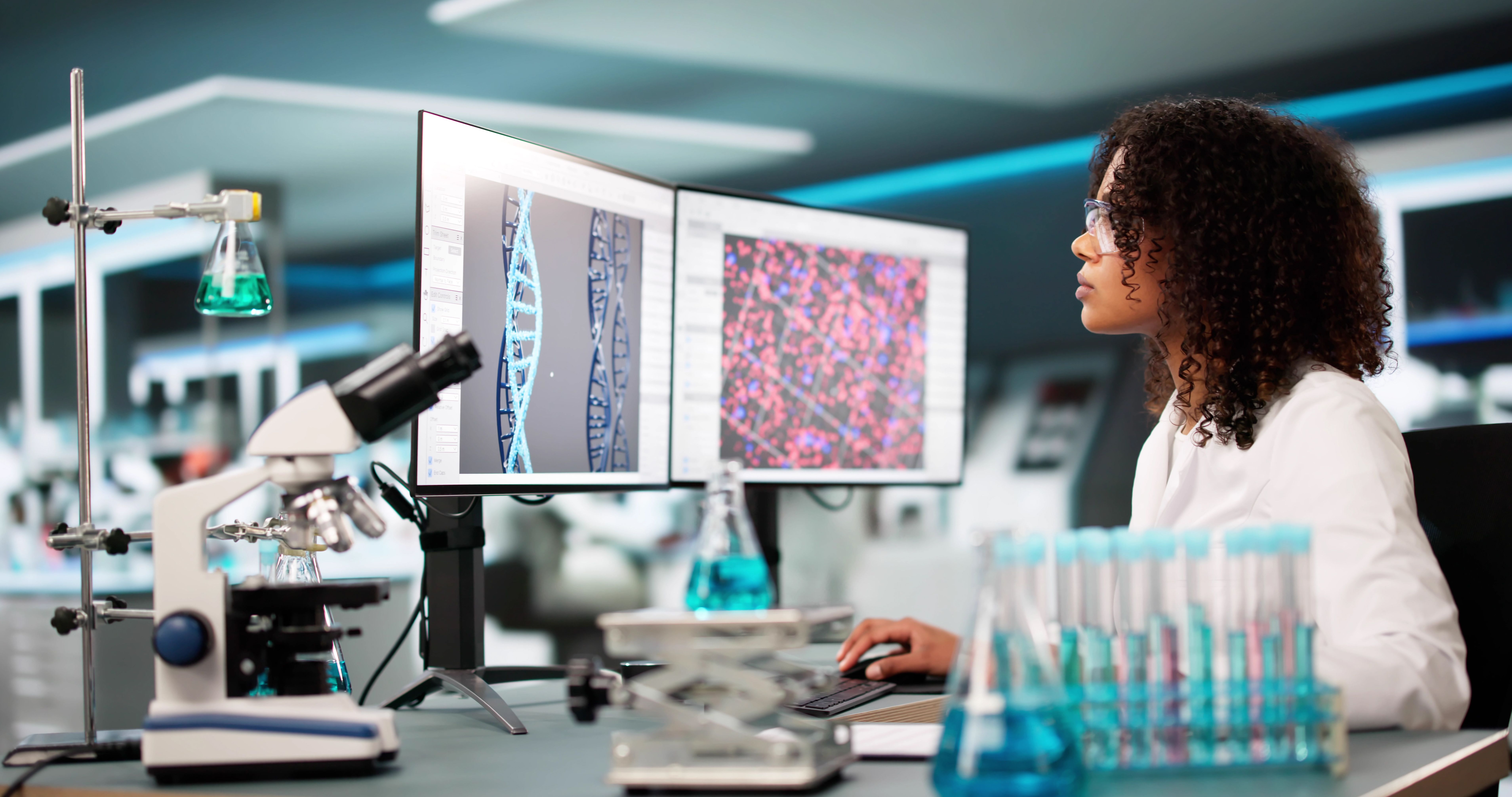
The identification of biomarkers involves various techniques, including genomics, proteomics, and metabolomics. These methods analyze the genetic, protein, and metabolic profiles of cancer cells, respectively. Advanced technologies such as next-generation sequencing and mass spectrometry have significantly enhanced the ability to identify and validate new biomarkers.
These techniques enable researchers to delve into the molecular intricacies of cancer, paving the way for the discovery of novel biomarkers that can lead to the development of new targeted therapies.
Challenges in Biomarker Identification
Despite the promising potential of biomarkers, several challenges exist in their identification and implementation. One major challenge is the complex nature of cancer itself, with its numerous subtypes and mutations. This complexity requires comprehensive and continuous research to keep up with evolving knowledge.
Additionally, the validation of biomarkers for clinical use is a rigorous process that demands significant resources and time. Ensuring the accuracy and reliability of biomarker tests is crucial for their successful integration into clinical practice.
The Future of Targeted Cancer Therapies
As research continues to advance, the future of targeted cancer therapies looks promising. The integration of artificial intelligence and machine learning in biomarker research is expected to accelerate discoveries and enhance the precision of cancer treatments.
Moreover, collaboration between academia, industry, and healthcare providers is essential to translate biomarker research into tangible clinical benefits. This collaborative effort will help in overcoming existing challenges and fostering innovation in cancer treatment.

Conclusion
Biomarker identification is revolutionizing the field of oncology by enabling more effective and personalized cancer therapies. While challenges remain, ongoing research and technological advancements hold the promise of transforming cancer care, offering hope to patients worldwide.
The continued exploration and validation of biomarkers will undoubtedly lead to more breakthroughs, ultimately improving survival rates and quality of life for cancer patients.