AI-Powered Curation in Oncology: Enhancing Biomarker Identification


Introduction to AI in Oncology
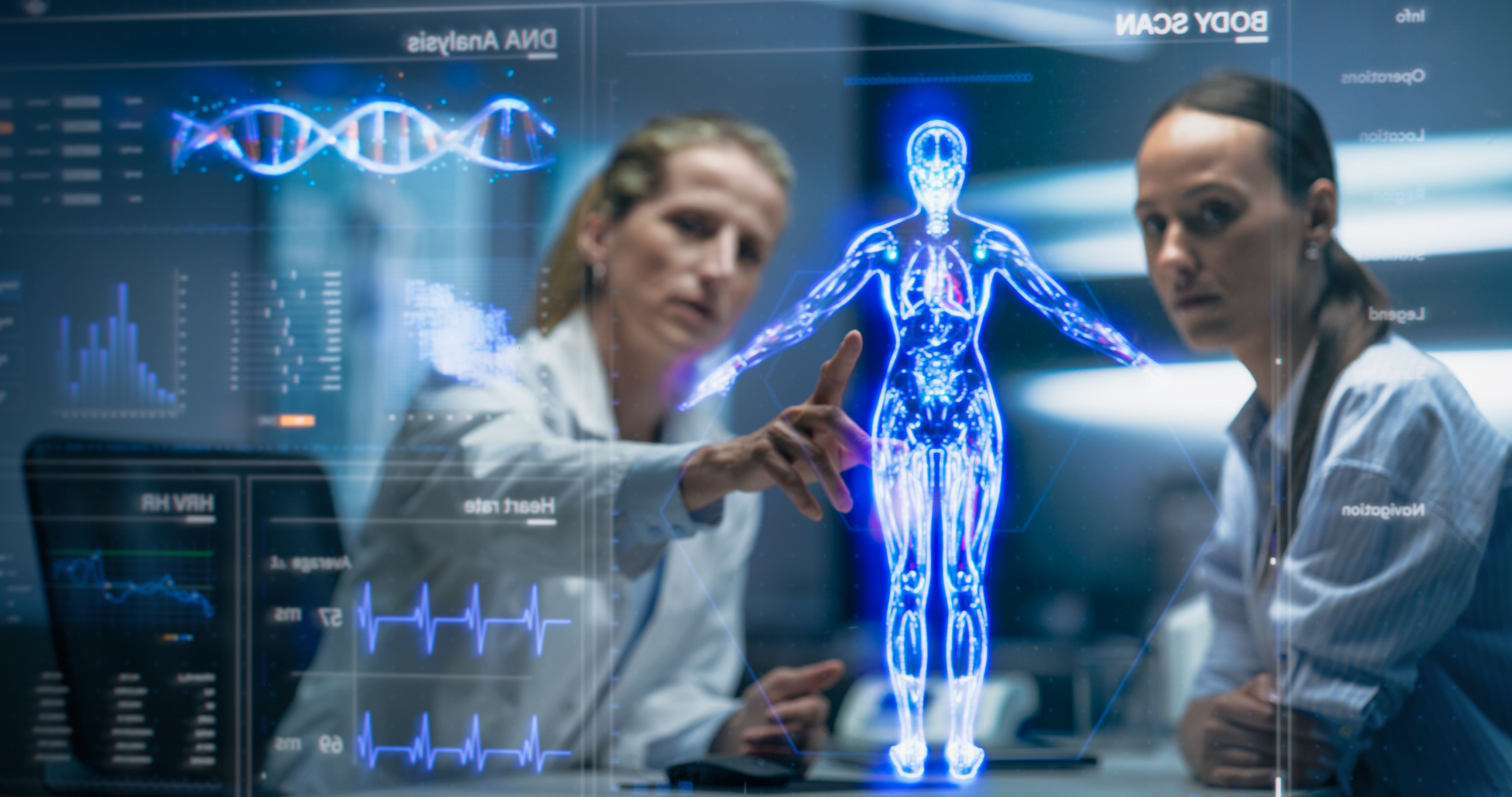
The integration of artificial intelligence in healthcare is revolutionizing various fields, and oncology is no exception. AI-powered curation is transforming how researchers and clinicians identify biomarkers, leading to more personalized and effective treatment strategies. By leveraging vast datasets, AI offers unprecedented insights into cancer biology, enabling more precise targeting of therapies.
The Role of Biomarkers in Cancer Treatment
Biomarkers are biological molecules found in blood, other body fluids, or tissues, indicating a normal or abnormal process or condition. In oncology, they play a crucial role in diagnosing cancer, predicting its progression, and deciding on the best course of treatment. Identifying accurate biomarkers can significantly enhance the effectiveness of personalized medicine.
Traditional Challenges in Biomarker Identification
Historically, identifying biomarkers has been a time-consuming and complex process. Researchers have had to sift through vast amounts of data, often with limited tools. This manual curation is not only labor-intensive but also prone to human error, potentially overlooking critical insights.

AI-Powered Curation: A Game Changer
AI-powered tools are changing the landscape of biomarker identification. By automating data analysis, AI can quickly process large datasets, highlighting patterns and connections that might be missed by the human eye. This efficiency not only speeds up the research process but also increases accuracy.
Key Benefits of AI in Biomarker Curation
AI offers several advantages in the curation process:
- Speed: AI algorithms can analyze data much faster than traditional methods.
- Accuracy: Reducing human error and identifying subtle patterns improves reliability.
- Scalability: Capable of handling vast amounts of data from various sources.

AI Techniques in Biomarker Discovery
Several AI techniques are employed in biomarker discovery, including machine learning, deep learning, and natural language processing. These techniques help in understanding complex biological data and identifying potential biomarkers with high precision.
Machine Learning and Its Impact
Machine learning algorithms can learn from existing data to predict outcomes and identify patterns. In oncology, these algorithms are trained using datasets from clinical trials, genomic data, and patient records to discover new biomarkers that can guide treatment decisions.
Future Prospects and Challenges
While AI-powered curation holds immense promise, challenges remain. Ensuring data privacy, overcoming biases in datasets, and integrating AI insights into clinical practice are crucial steps that need addressing. Nonetheless, the future of AI in oncology looks bright, with ongoing advancements paving the way for more breakthroughs.

In conclusion, AI-powered curation is enhancing biomarker identification in oncology, offering new hope for personalized cancer treatment. By addressing current challenges and continuing to innovate, AI will play an increasingly vital role in the fight against cancer.