AI-Powered Curation: Revolutionizing Cancer Treatment Approaches


In recent years, the integration of artificial intelligence (AI) into healthcare has sparked a revolution, particularly in the field of cancer treatment. AI-powered curation offers a promising frontier for personalizing and improving cancer care. By leveraging vast datasets and sophisticated algorithms, AI is transforming how oncologists approach diagnosis and treatment.
Understanding AI-Powered Curation
AI-powered curation involves using machine learning algorithms to sift through large volumes of data and extract valuable insights. In cancer treatment, this means analyzing patient records, genetic information, and clinical trials to recommend tailored treatment options. The process enhances decision-making, allowing for more precise and effective interventions.

One of the primary benefits of AI in cancer treatment is its ability to handle complex data. Traditional methods often fall short when dealing with the vast amount of genetic and clinical data available today. AI can quickly process and interpret these data sets, offering oncologists a clearer understanding of each patient's unique cancer profile.
Enhancing Diagnostic Accuracy
AI's role in improving diagnostic accuracy cannot be overstated. By examining imaging scans and pathology slides, AI algorithms can detect anomalies that might be missed by the human eye. This capability is crucial for early detection, where catching cancer in its initial stages can significantly improve outcomes.
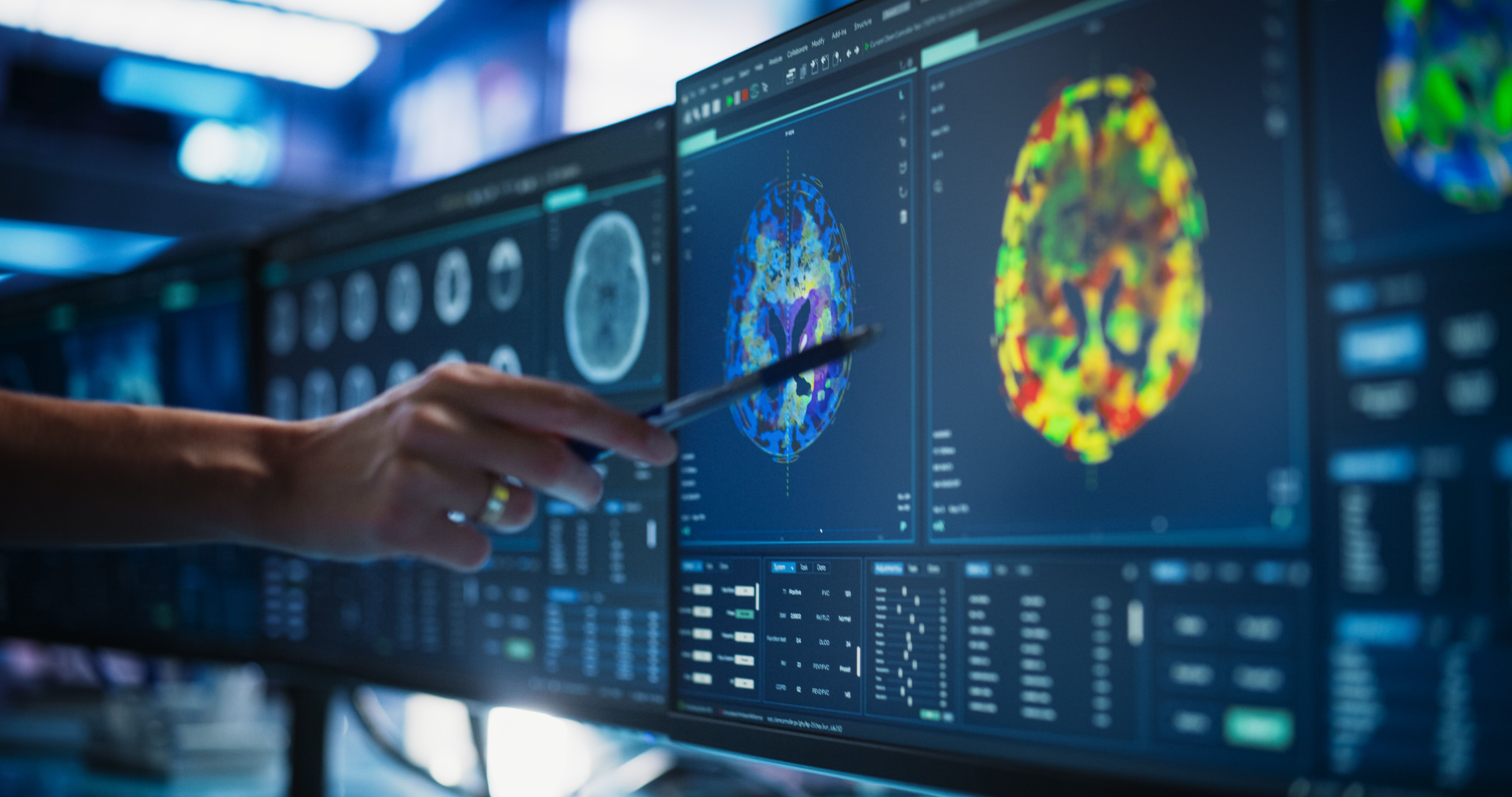
Moreover, AI systems are continually learning and evolving. As they are exposed to more data, their diagnostic precision improves, leading to faster and more accurate assessments. This iterative learning process ensures that oncologists are equipped with the most up-to-date information, reducing the likelihood of misdiagnosis.
Personalizing Treatment Plans
AI-powered curation allows for the personalization of treatment plans, a critical factor in successful cancer therapy. By analyzing genetic markers and treatment responses, AI can recommend targeted therapies tailored to the individual patient's needs. This personalized approach increases the efficacy of treatments while minimizing adverse effects.

Additionally, AI can predict how patients will respond to specific treatments, enabling oncologists to make informed decisions about adjusting therapies. This adaptability ensures that each patient receives the most effective care possible, improving survival rates and quality of life.
Challenges and Future Prospects
Despite its advantages, AI-powered curation in cancer treatment faces challenges. Data privacy concerns, the need for standardized protocols, and the integration of AI tools into existing healthcare systems are hurdles that must be addressed. However, ongoing research and collaboration between tech companies and healthcare providers are paving the way for solutions.
The future of AI in cancer treatment is promising. As technology continues to advance, AI-powered curation will become more sophisticated, offering even greater precision and personalization. Continued investment in AI research and development will be crucial in realizing its full potential in revolutionizing cancer care.