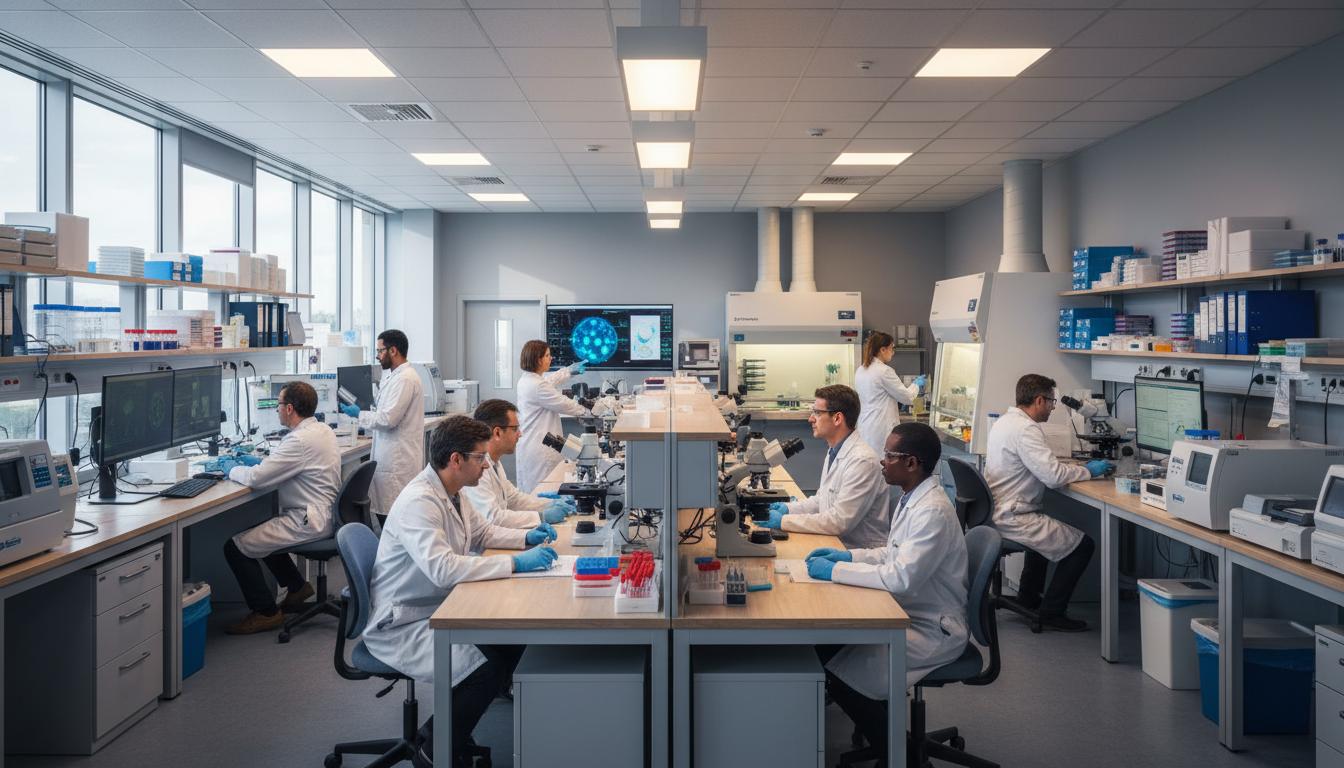
AI and Genomics: A New Frontier in Cancer Research


The intersection of artificial intelligence (AI) and genomics is ushering in a new era in cancer research. This innovative frontier is transforming how scientists understand, diagnose, and treat cancer, offering hope for more effective and personalized solutions.
Understanding Genomics and AI
Genomics is the study of an organism's entire genetic makeup. By analyzing the genome, researchers can gain insights into the mutations and variations that may lead to cancer. AI, with its ability to process vast amounts of data rapidly, is perfectly positioned to enhance genomic research.
AI algorithms can identify patterns and correlations in genomic data that may be missed by human researchers. This capability is crucial in understanding the complex genetic factors involved in cancer development.

AI in Cancer Diagnosis
The integration of AI in cancer diagnosis is one of the most promising applications. Traditional diagnostic methods can be time-consuming and are sometimes limited in scope. AI can analyze genetic information quickly, identifying markers that indicate the presence of cancer.
Moreover, AI systems can continually learn from new data, improving their accuracy over time. This adaptability is essential for early detection, which is critical for successful treatment outcomes.

Benefits of AI-Driven Genomic Analysis
The benefits of combining AI and genomics in cancer research are manifold:
- Personalized Treatment: AI can help tailor treatments based on an individual's genetic profile, increasing the likelihood of success.
- Cost Efficiency: Automated processes reduce the time and cost associated with traditional methods.
- Enhanced Accuracy: AI reduces human error, leading to more precise diagnoses and treatment plans.
Challenges and Considerations
Despite the potential, there are challenges in using AI in genomics. Data privacy is a significant concern, as genetic information is sensitive and personal. Ensuring the security of this data is paramount.
Additionally, the complexity of genetic data requires robust AI systems that can handle high-dimensional datasets without losing accuracy. Ongoing research and development are needed to overcome these hurdles.

The Future of AI and Genomics in Cancer Research
The future of AI and genomics in cancer research looks promising. As technology advances, AI's role in genomics will likely expand, leading to more groundbreaking discoveries and innovations.
Researchers are optimistic that ongoing collaborations between AI experts and geneticists will unlock new pathways for cancer treatment and prevention, ultimately saving more lives.
In conclusion, the marriage of AI and genomics represents a significant leap forward in cancer research. By harnessing these powerful technologies, the medical community is poised to make unprecedented strides in the fight against cancer.