Integrating Clinical and Economic Data in Oncology: Challenges and Solutions


Understanding the Integration of Clinical and Economic Data
Integrating clinical and economic data in oncology is a complex yet crucial task. As cancer treatments become increasingly sophisticated, the need for comprehensive data analysis grows. By merging clinical outcomes with economic data, healthcare providers can make more informed decisions, ultimately improving patient care.
The primary challenge lies in the disparate nature of these datasets. Clinical data often focuses on patient outcomes, treatment efficacy, and side effects, while economic data revolves around costs, resource allocation, and financial impacts. Successfully combining these elements requires innovative approaches and technologies.
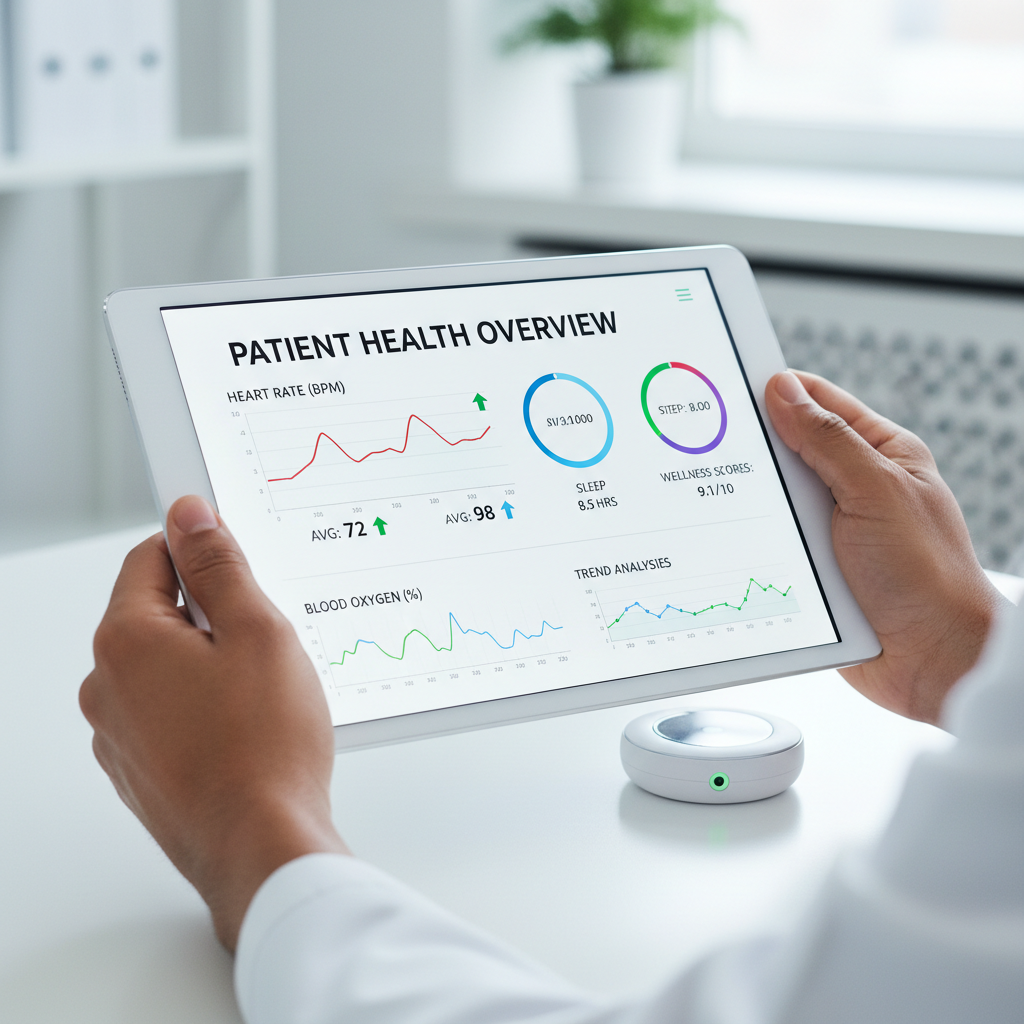
Challenges Faced in Data Integration
One of the main challenges is the sheer volume of data. Oncology treatments generate vast amounts of information, from patient records to billing details. Managing and analyzing this data can be overwhelming without the right tools and expertise. Additionally, data privacy and security concerns must be addressed, ensuring compliance with regulations such as HIPAA.
Data standardization is another hurdle. Clinical and economic data may be stored in different formats and systems, posing difficulties for integration. Ensuring that data is compatible and harmonized is essential for accurate analysis and interpretation.
Technological Solutions
Advanced technologies, such as artificial intelligence and machine learning, are paving the way for more effective data integration. These tools can process large datasets efficiently, identifying patterns and correlations that may not be apparent through manual analysis. By leveraging these technologies, healthcare providers can gain valuable insights into both clinical outcomes and economic impacts.
Interoperability is also crucial. Ensuring that different systems can communicate and share data seamlessly is vital for successful integration. Implementing standardized protocols and frameworks can facilitate this process, allowing for smoother data exchange and analysis.

Benefits of Successful Integration
When clinical and economic data are integrated effectively, the benefits are significant. Healthcare providers can optimize treatment plans, balancing efficacy and cost. This approach not only enhances patient care but also supports sustainable healthcare practices by minimizing unnecessary expenses.
Moreover, integrated data can inform policy decisions and resource allocation, ensuring that healthcare systems are both efficient and equitable. By understanding the economic implications of clinical decisions, stakeholders can make more strategic choices that benefit patients and the broader community.
Future Directions
As technology continues to evolve, the integration of clinical and economic data in oncology will become even more sophisticated. Innovations such as blockchain and cloud computing may offer new solutions for secure and efficient data management. These advancements hold the promise of transforming oncology care, making it more personalized and cost-effective.
Collaboration between healthcare providers, data scientists, and policymakers will be essential in driving progress. By working together, these stakeholders can overcome challenges and harness the full potential of integrated data, ultimately improving outcomes for cancer patients worldwide.

Conclusion
Integrating clinical and economic data in oncology presents both challenges and opportunities. While the task is complex, the potential rewards are immense. By embracing technological advancements and fostering collaboration, the healthcare industry can navigate these challenges and create a more effective, sustainable oncology landscape.
The future of cancer care depends on our ability to blend clinical rigor with economic insight, ensuring that patients receive the best possible outcomes at manageable costs. As we move forward, the integration of these critical data streams will be at the heart of innovative, patient-centered oncology care.